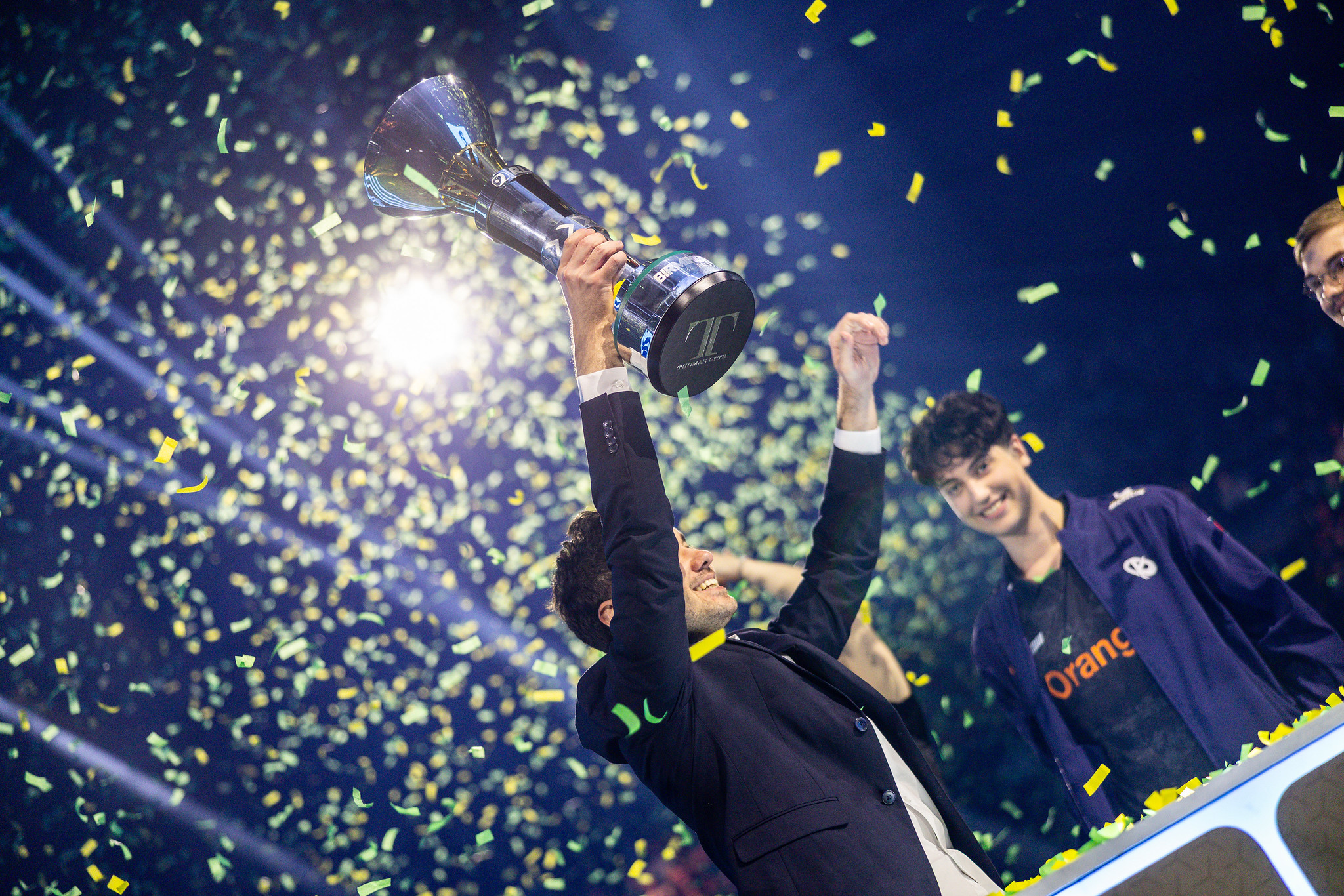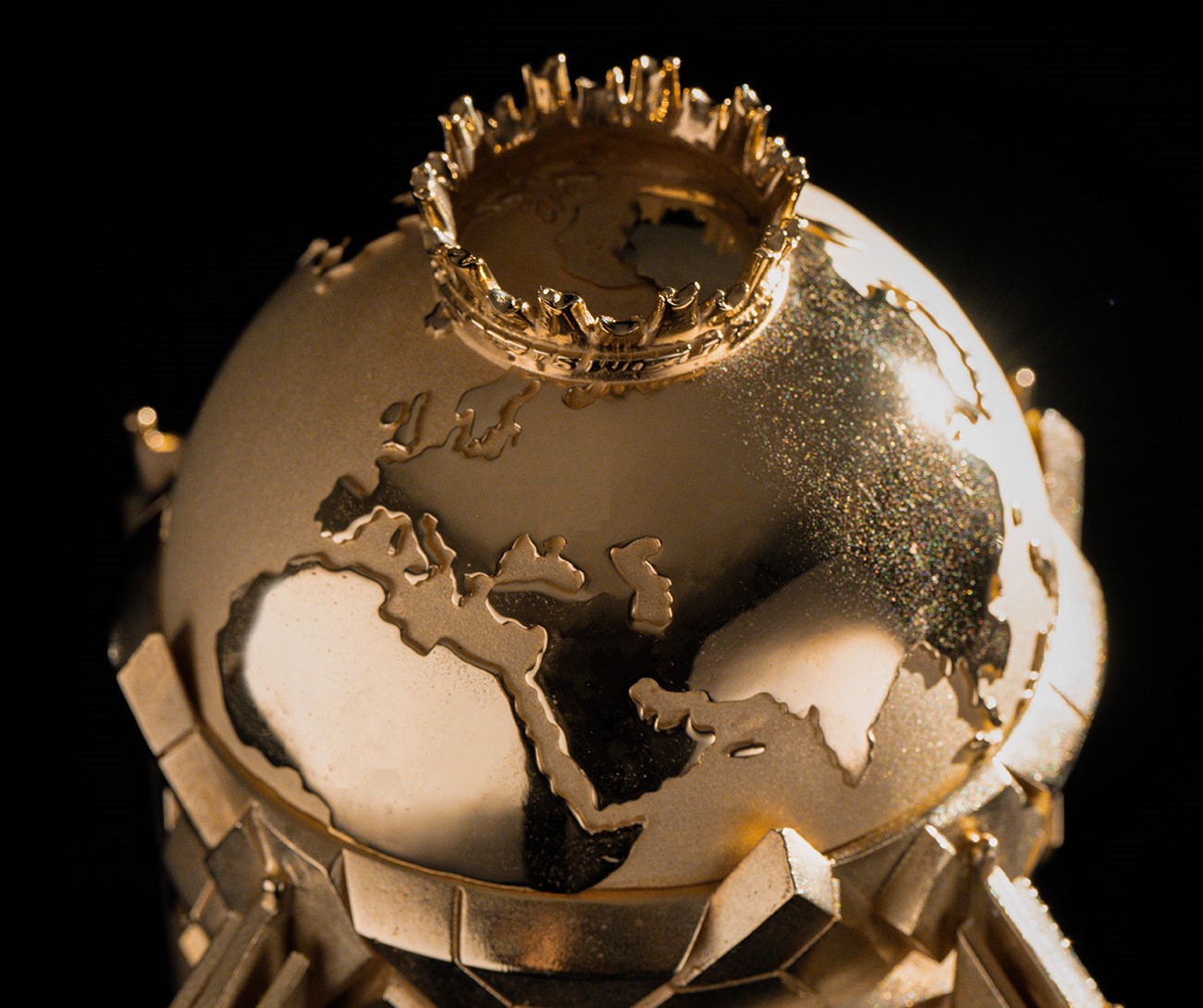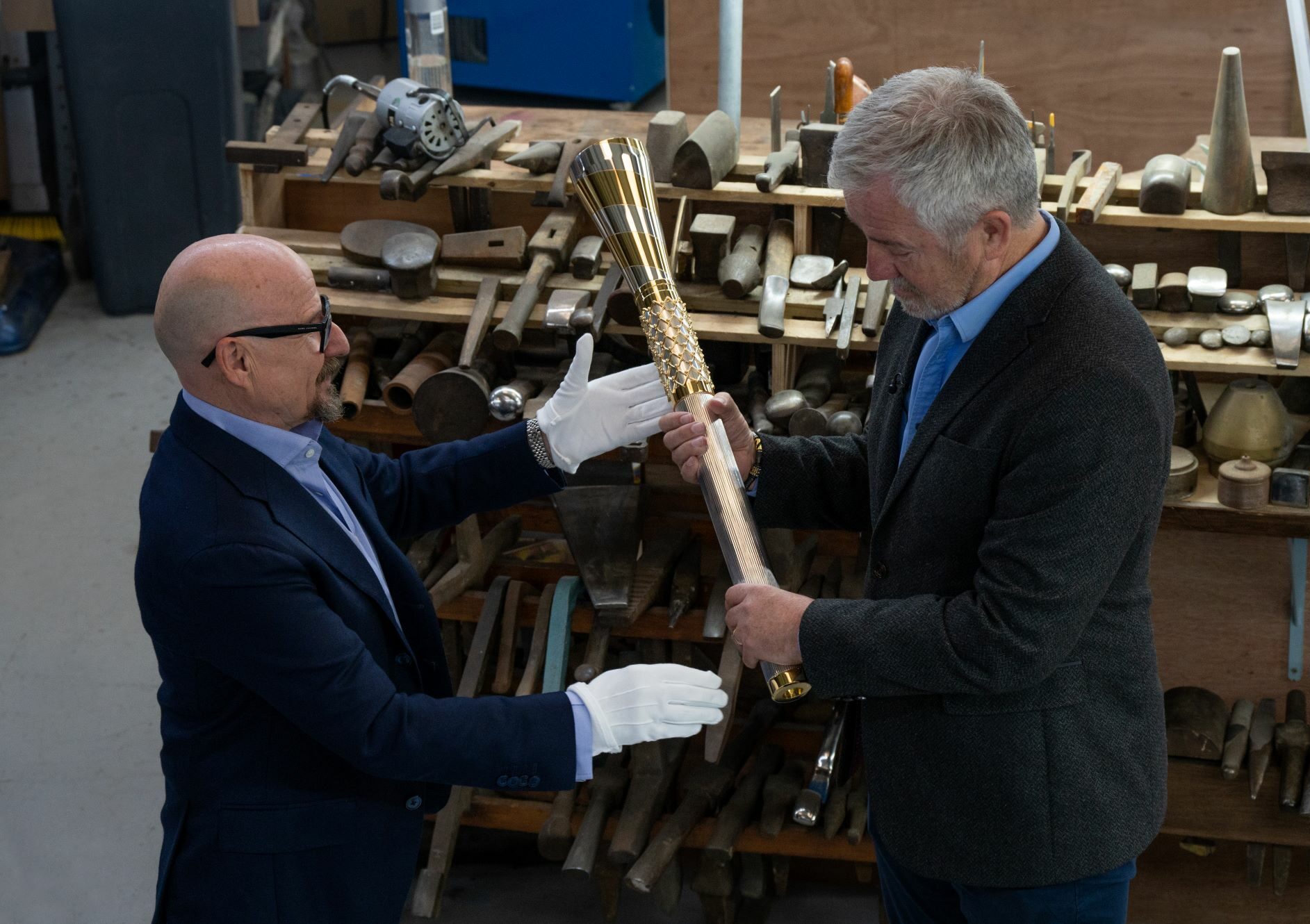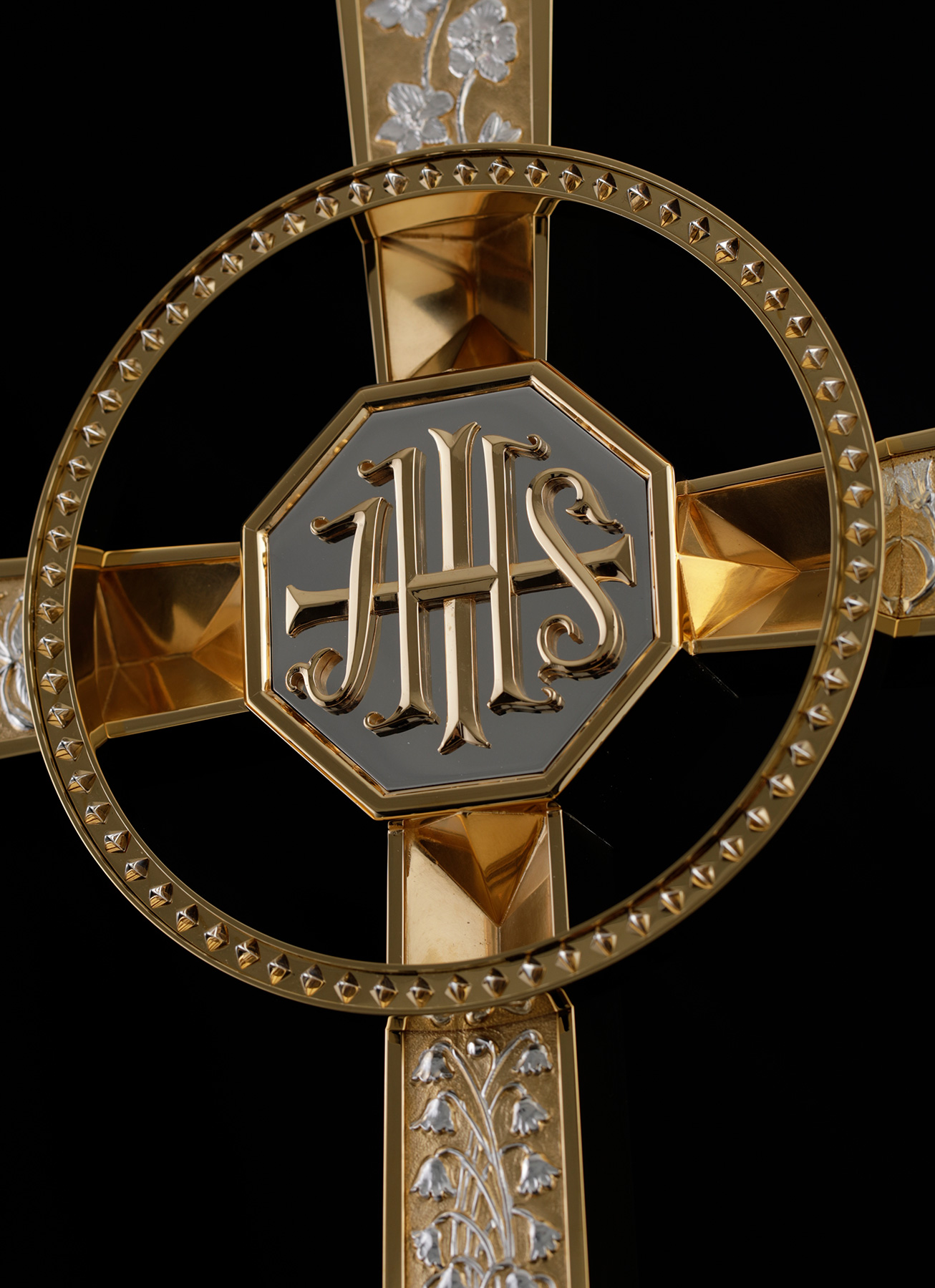
Millions of medals are presented every year, each marking an achievement that matters to the person receiving it. But for the world’s biggest sporting competitions, a medal has another responsibility. It must become part of the event’s identity, creating a striking first impression while rewarding the recipient with craftsmanship and details that bring the design to life up close.
At Thomas Lyte, every bespoke medal we design and create begins with an understanding of the story it must tell. We spoke with our Head of Design, Chris Cheeseman, to discover the thinking behind creating medals that not only look exceptional on the podium, but continue to hold meaning long after the celebrations have ended.
For our Head of Design, Chris Cheeseman, the process of creating a truly iconic medal starts long before the first sketch.
“Research is typically around 70% of the job,” he explains. Every project starts by understanding the heritage of the competition, the organisation behind it and, most importantly, what the medal should represent to those who will receive it.
Whether it’s an established sporting event with decades of history or a brand-new competition looking to build its own identity, the design must capture the values and story behind the occasion. That research helps shape every creative decision, ensuring the final medal feels authentic rather than simply decorative.
Understanding the audience is equally important. A medal awarded to elite athletes will often have a very different character from one presented to volunteers or young competitors. While each celebrates achievement, the story behind that achievement should always influence the design.
Creating an iconic medal is about much more than how it looks in a design presentation.
Those different viewing experiences all influence the design process. From a distance, the silverware should have a bold silhouette that is instantly recognisable. On television and in photography, the finish, relief and contrast need to catch the light, helping the medal stand out during some of the most important moments of a competition.
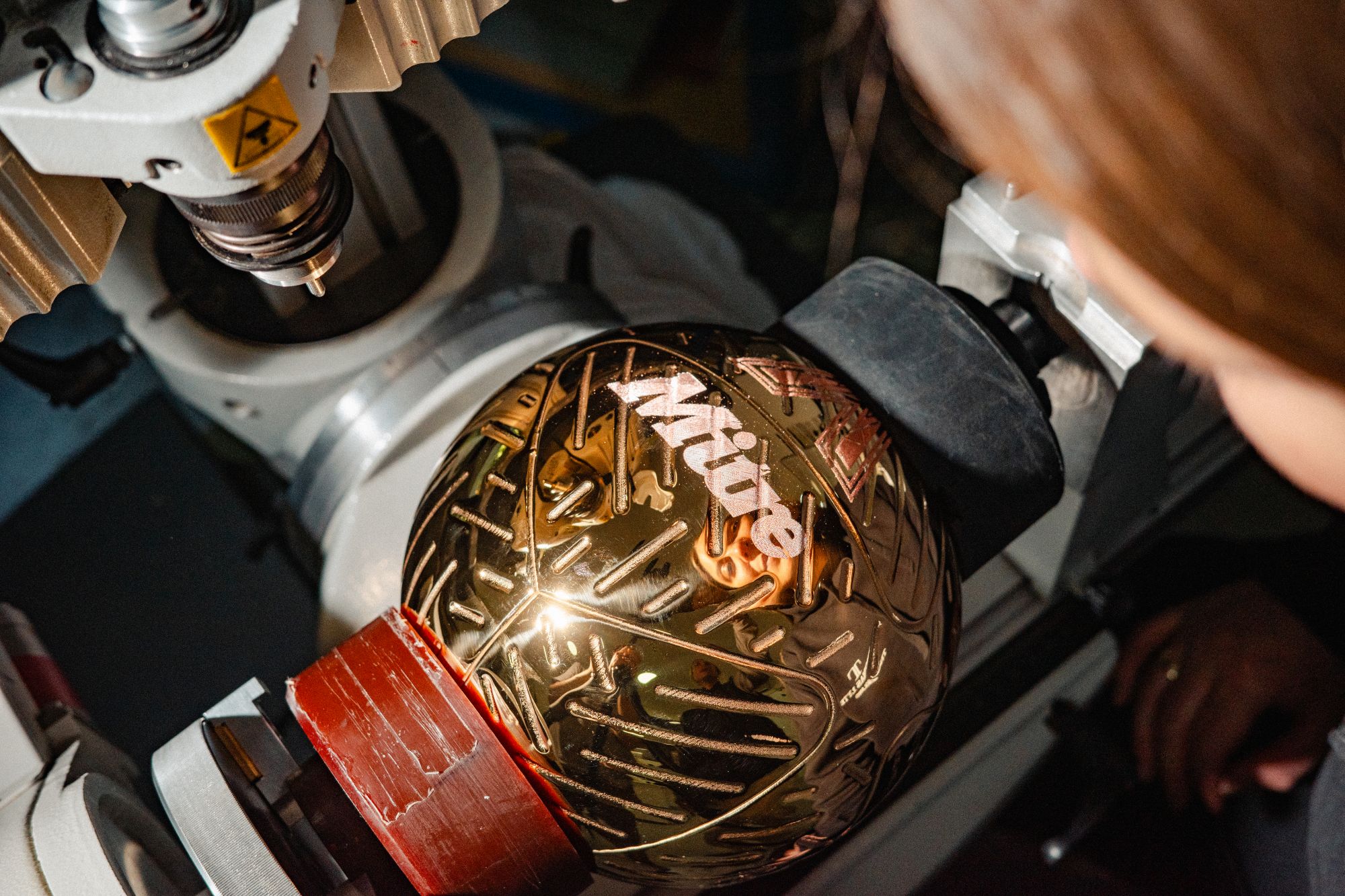
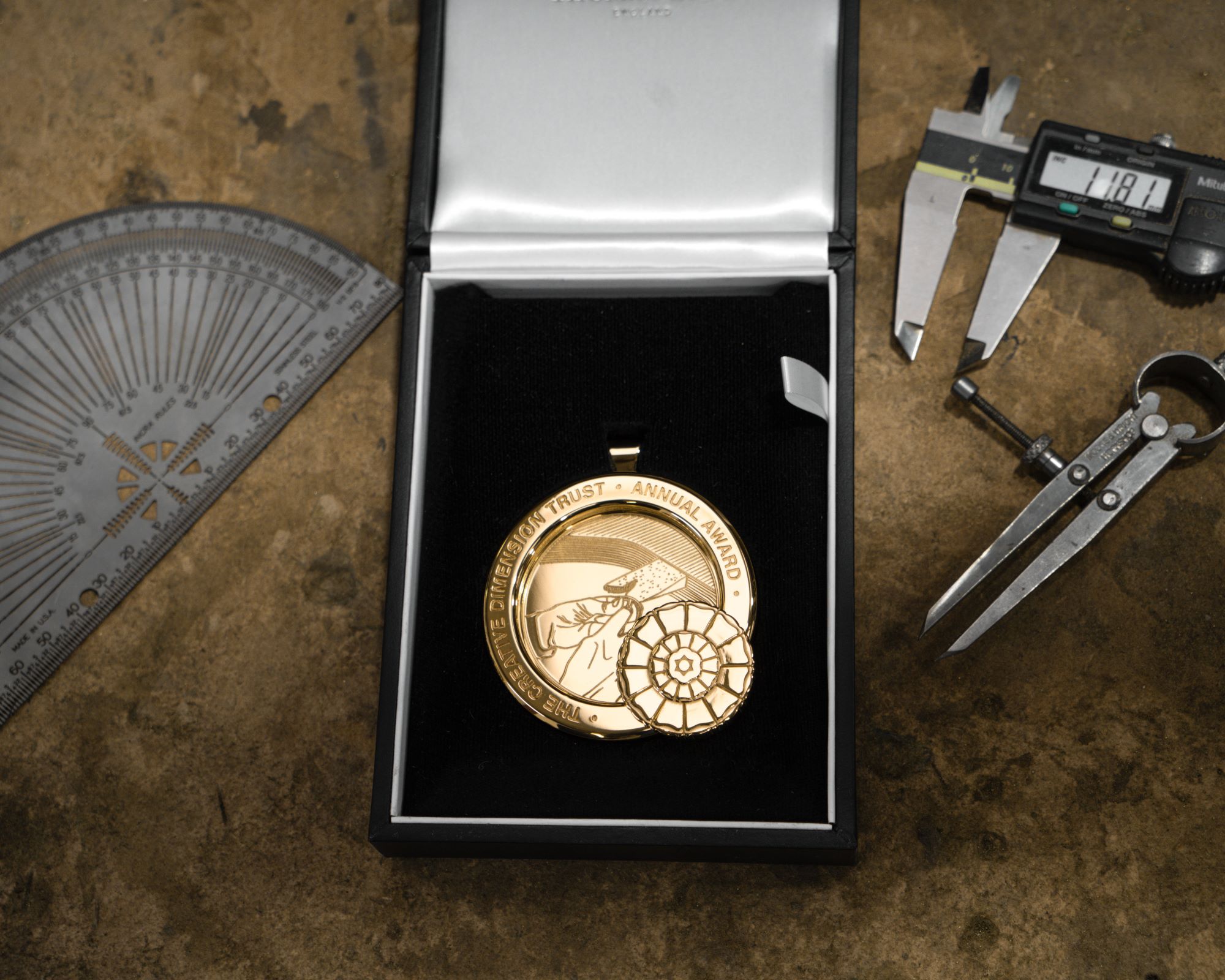
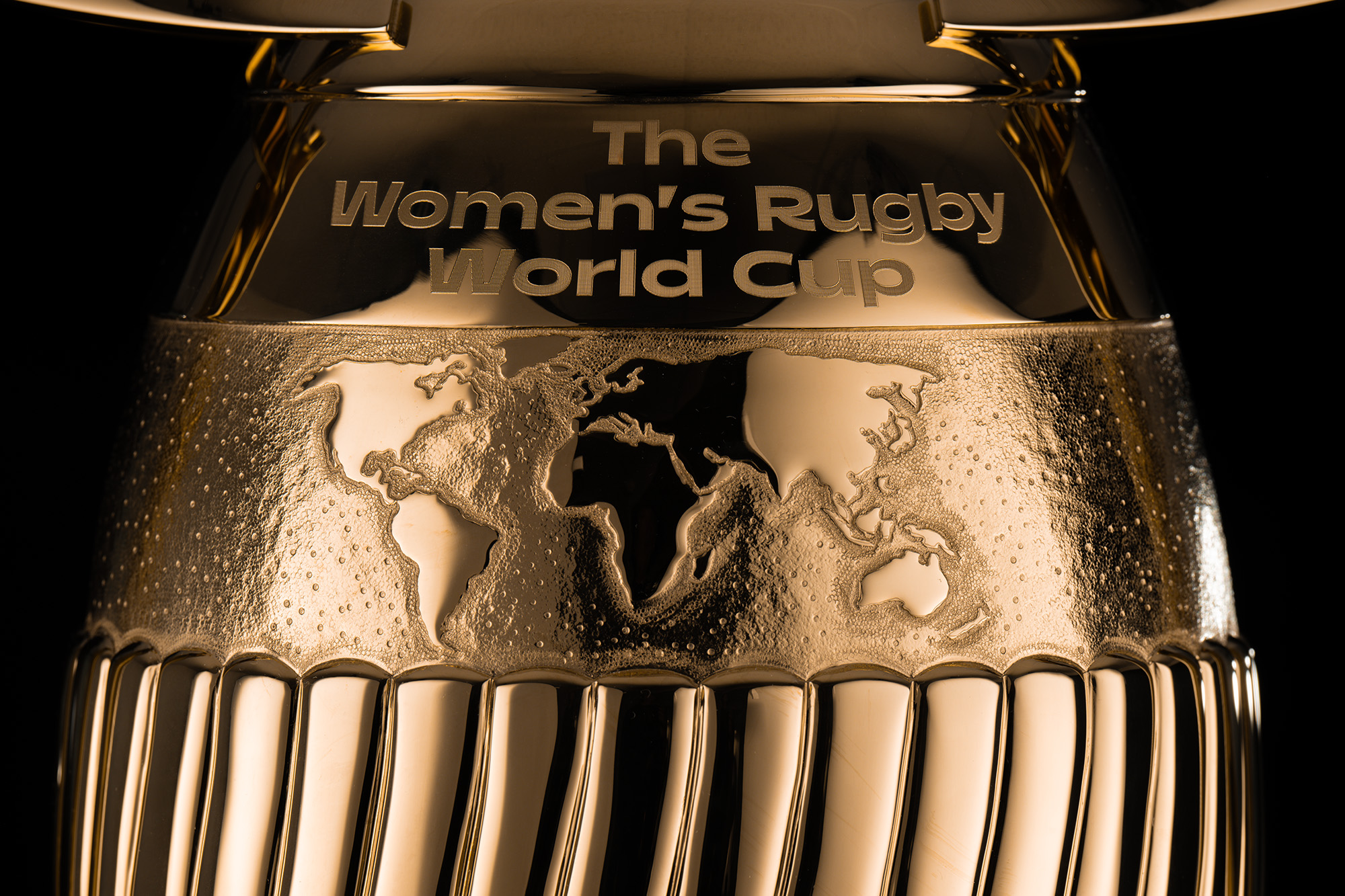
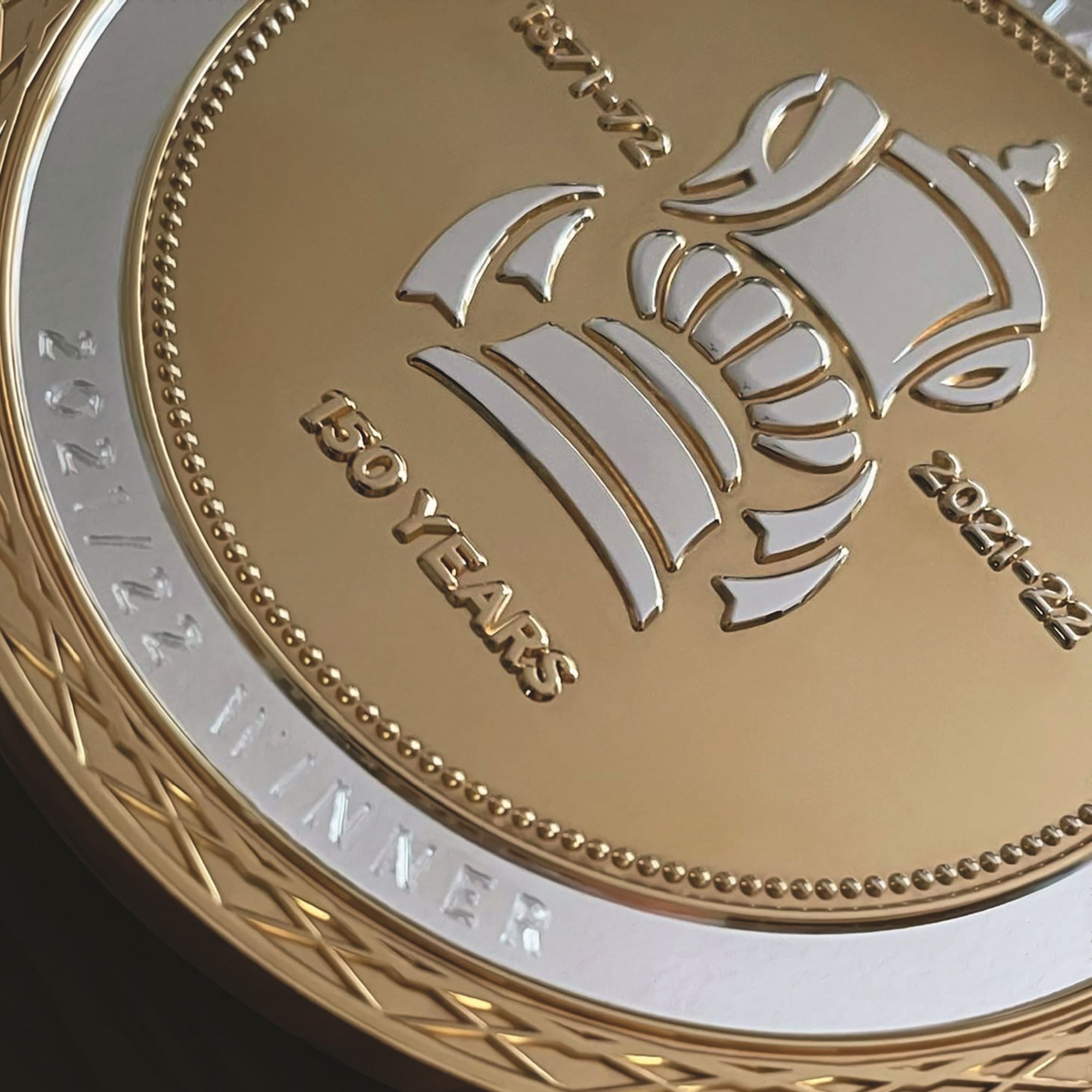
Yet perhaps the most important moment comes when the recipient finally holds it. Up close, subtle textures, engraving and craftsmanship become visible. These are often the details that go unnoticed by spectators but create a much stronger connection for the person receiving the medal.
An iconic medal therefore succeeds at every scale. It creates impact in the moment while rewarding closer inspection for years to come.
At Thomas Lyte, the team also often talks about the ‘weight of victory’. A medal shouldn’t simply look beautiful; it should feel significant too, carrying both the physical weight and the emotional weight of the achievement it represents.
The weight of a medal influences how it is experienced. Too light and it can feel temporary. Too heavy and it becomes impractical. Finding the right balance is an important part of the design process, ensuring the medal feels substantial without compromising comfort or wearability.
For many recipients, the moment they first hold their medal becomes one of their strongest memories. Long after the applause has faded, its weight serves as a lasting reminder of the effort, determination and dedication that earned it.
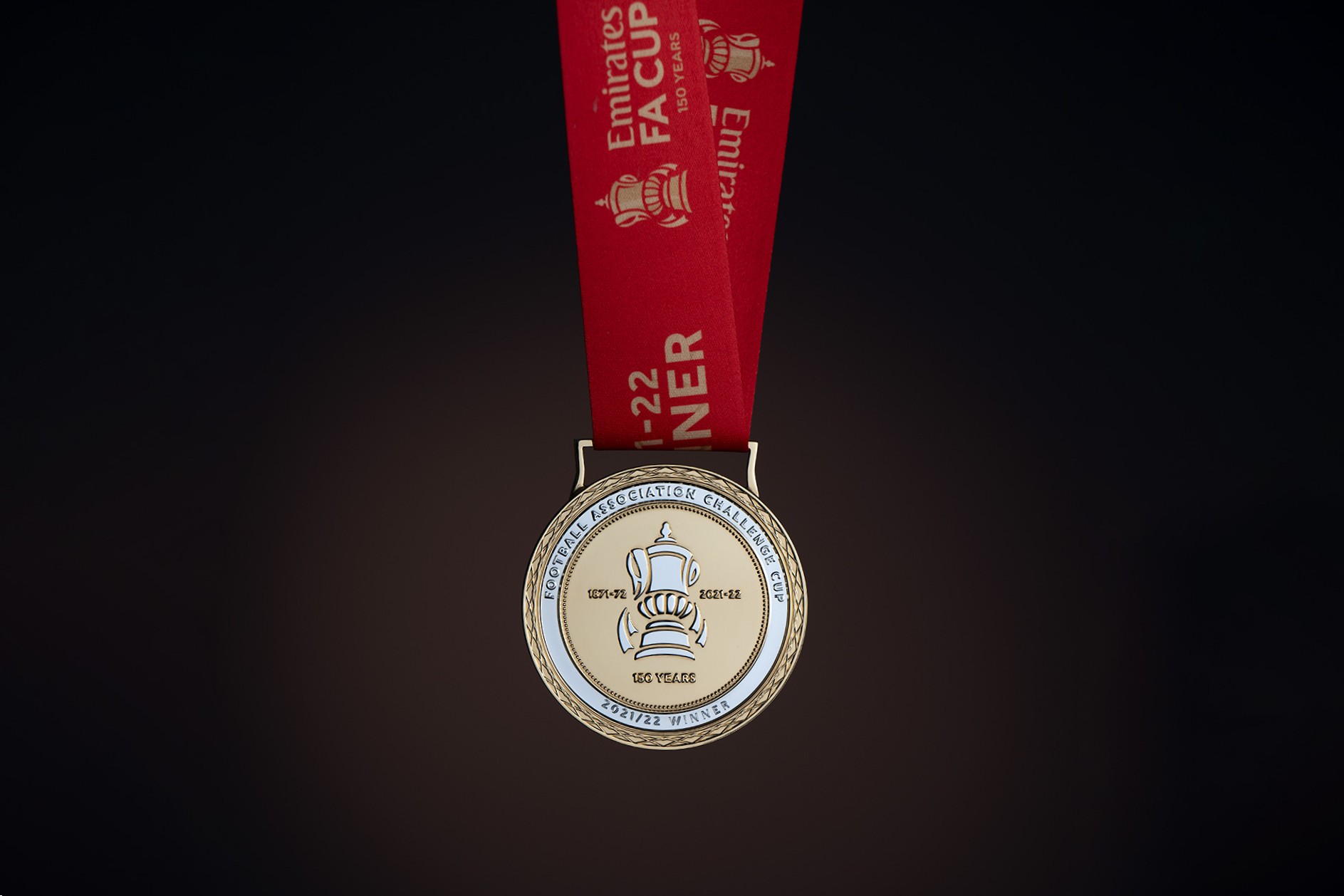
Chris experienced this philosophy first-hand when designing the FA Cup Final medal, his first commission after joining Thomas Lyte.
For the competition’s 150th anniversary, the design incorporated subtle references that many spectators might never notice. The border took inspiration from the iconic Wembley Arch, while exactly 150 football like dots were carefully integrated into the pattern around the edge to commemorate the milestone.
These hidden elements may never be spotted during the medal presentation, but they give the piece greater meaning for those who discover them later. They reward curiosity, celebrate history and create a stronger emotional connection between the medal and the competition it represents.
It’s this level of consideration that elevates a medal beyond simply recognising achievement. It becomes part of the event’s legacy.
As Chris explains, the most successful medals aren’t defined by a single feature or created by chance. They are the result of curiosity, careful planning and an understanding of what the occasion truly represents.
When that balance is achieved, a medal becomes something recipients will return to time and again, each glance bringing back the moment it was earned.
Read about our press mentions and awards for the project
We have selected a number of case studies that demonstrate the broad range of our capabilities designing and making in precious metals.