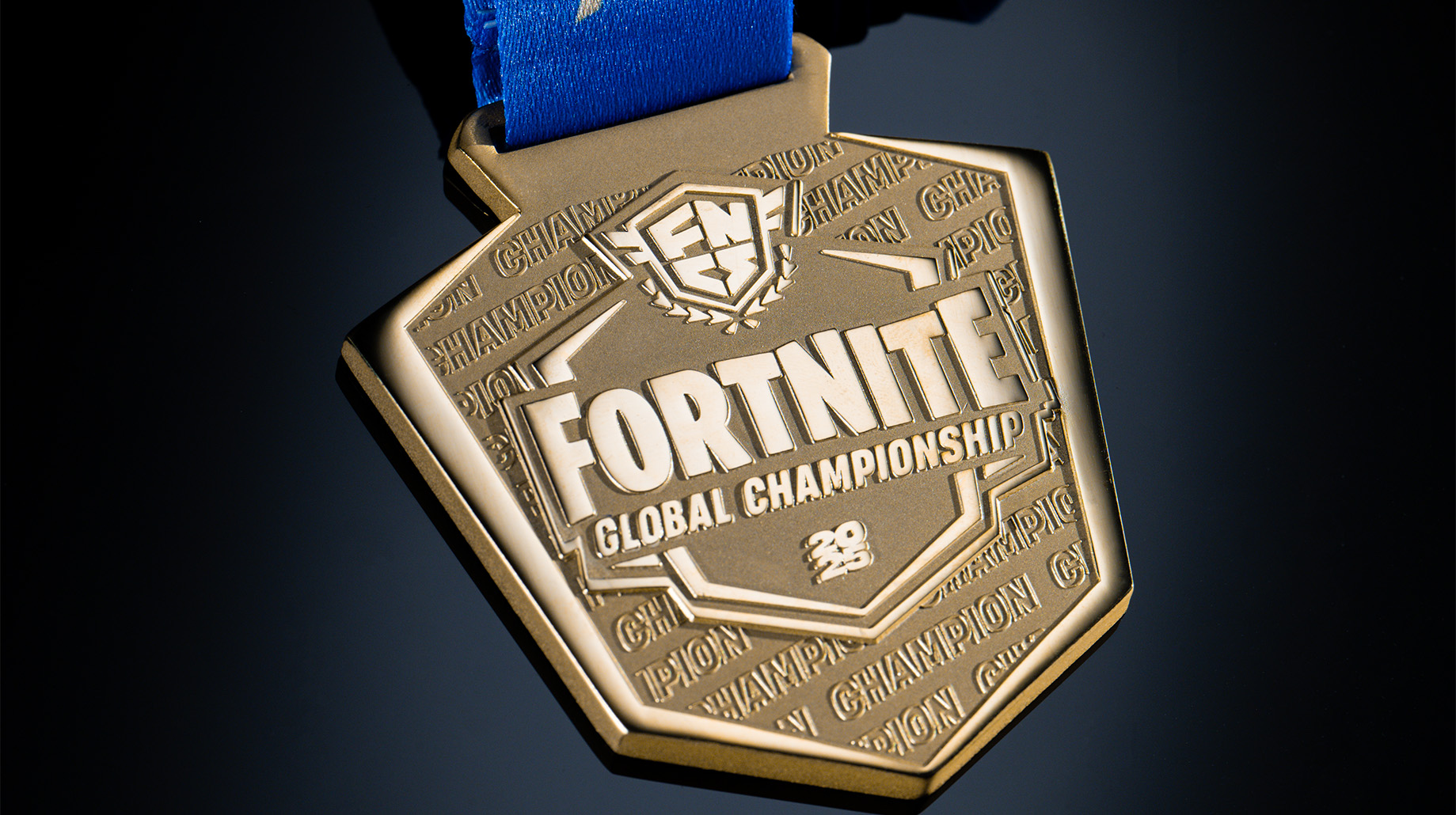
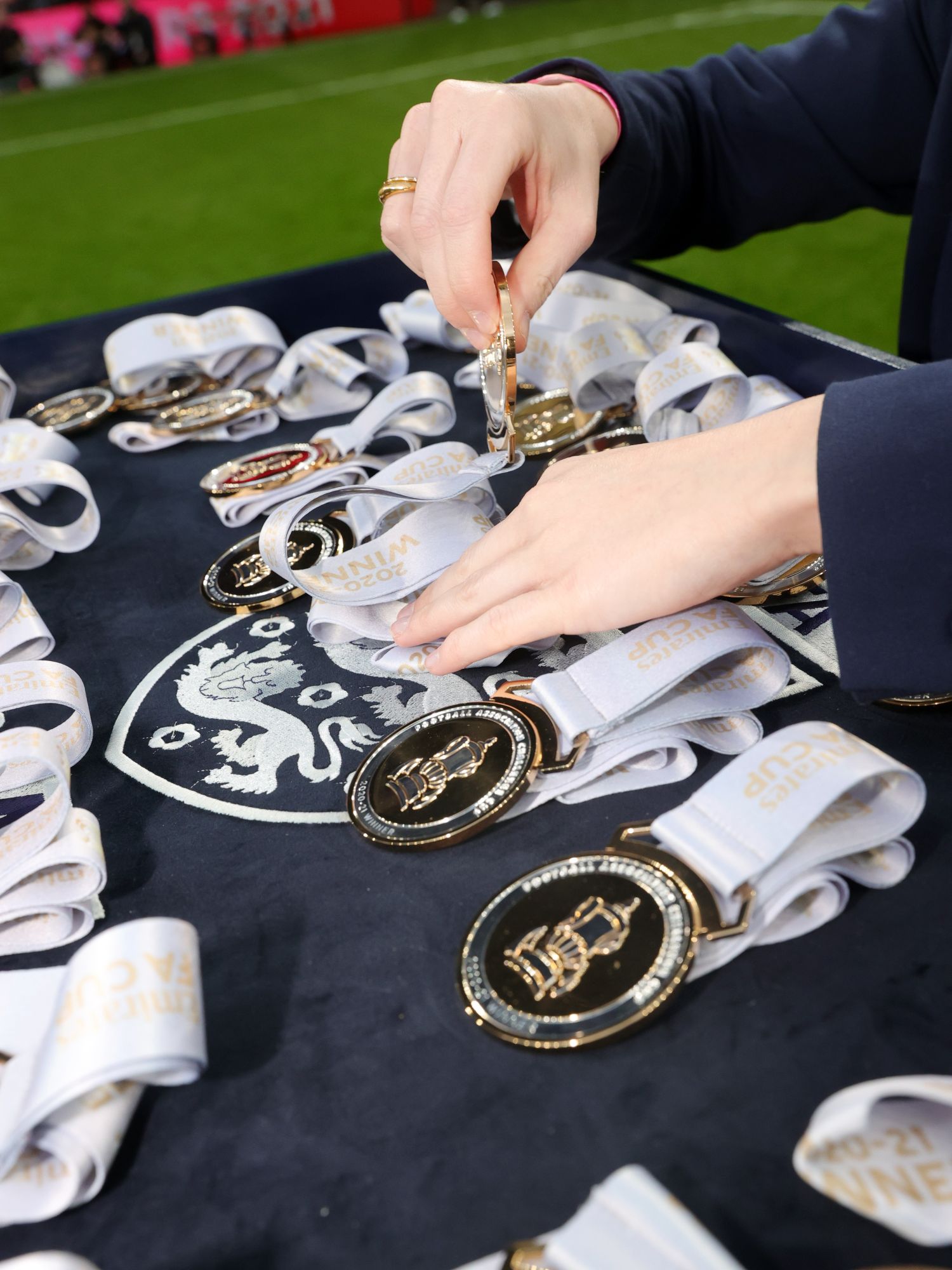
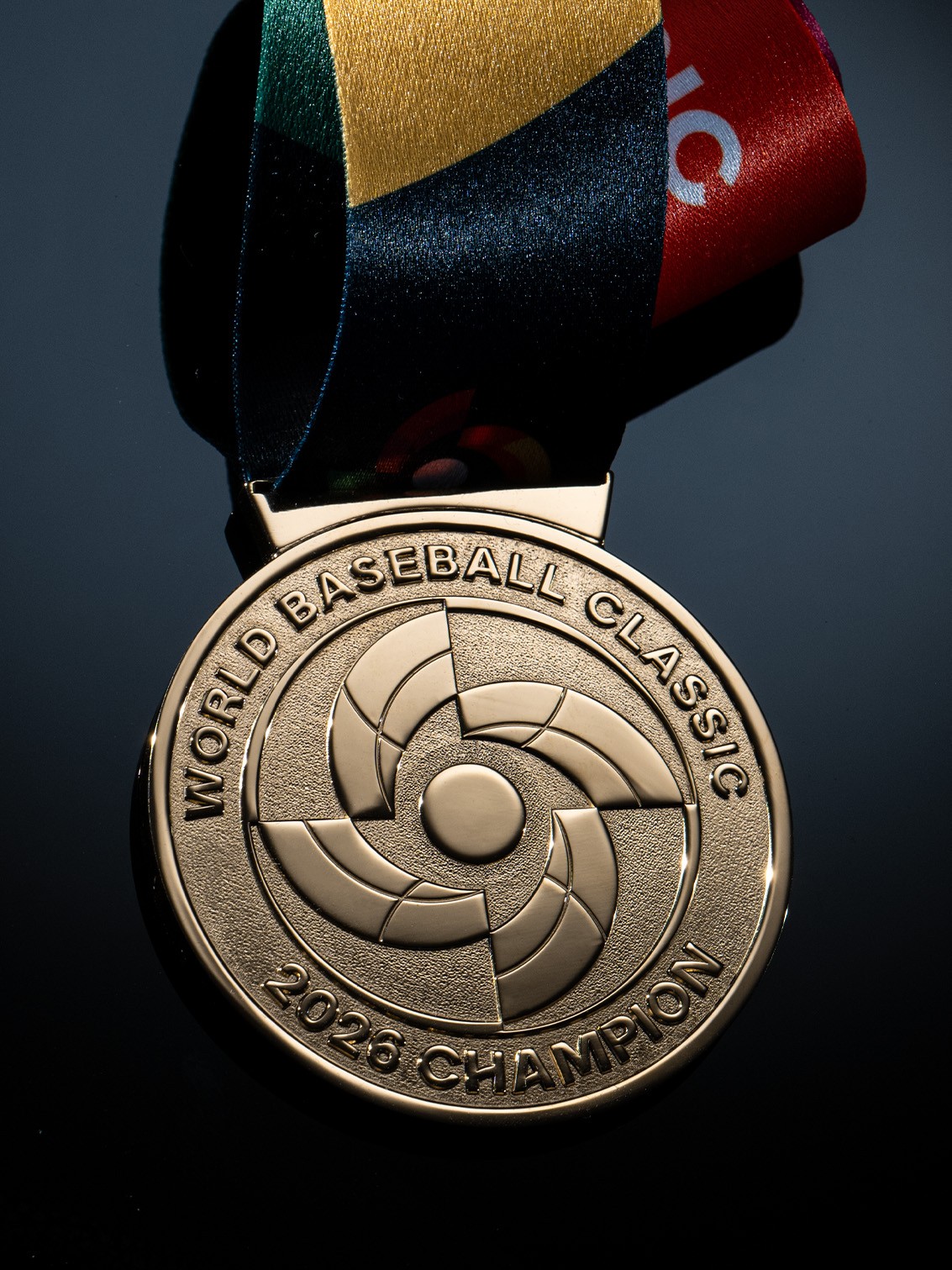
Medals can be produced in a range of precious metals and finishes, each with their own characteristics and care requirements. Sterling silver will naturally develop a patina over time, while plated, gilded or polished finishes may require more delicate handling. If you are unsure which finish your medal has, please contact Thomas Lyte for advice before cleaning it.
When not being worn or displayed, store your medal in its presentation case or a soft, protective pouch in a cool, dry environment. For longer-term storage, acid-free cardboard or treated archival materials are recommended, as ordinary cardboard boxes and untreated wooden cases can emit acidic compounds that may contribute to tarnishing.
Avoid high-humidity areas, such as bathrooms, as moisture can accelerate tarnishing. Keep your medal away from direct sunlight and avoid storing it in direct contact with other metal objects, which can cause scratching.
To maintain the appearance of your medal, gently polish it using the Thomas Lyte polishing cloth provided. Use light, even movements and avoid applying excessive pressure. We recommend avoiding abrasive materials, chemical cleaners, household silver polishes, brass or silver dips, and abrasive polishing creams. These products can damage the surface or alter the finish. In particular, brass and silver dips and abrasive creams should not be used on gold-plated medals, as they can remove the thin layer of gold and permanently affect the finish.
If gentle polishing with the supplied cloth does not restore the appearance of your medal, or if you are unsure how to care for its particular finish, please contact the Thomas Lyte team for advice.
Keep the ribbon dry and avoid contact with perfumes, lotions and other chemicals, which can cause staining or discolouration. Do not machine wash, tumble dry or iron the ribbon. If necessary, gently spot-clean the affected area and allow it to dry naturally. When storing the medal, keep the ribbon neatly arranged to avoid creasing.
Fine surface marks and hairline scratches can occur naturally through handling and wear. These can sometimes be reduced through professional polishing or refinishing. Deeper scratches or damage should not be treated with abrasive materials at home, as this may cause further damage to the medal or alter its finish. For advice on restoring your medal, please contact Thomas Lyte.
Tarnishing is a natural process that occurs when metal reacts with elements in the surrounding environment. Sterling silver, as well as silver and gold-plated finishes, can change in appearance over time, particularly when exposed to moisture, perspiration, air pollution and other chemicals.
Even when cared for correctly, medals may naturally tarnish over a long period of time. Following the care guidance on this page, including careful handling, appropriate storage and gentle cleaning, can help minimise tarnishing and preserve your medal’s appearance for longer.
Tarnishing is not a sign that your medal is defective. If your medal requires further care or you are unsure how to treat its particular finish, please contact the Thomas Lyte team for advice.