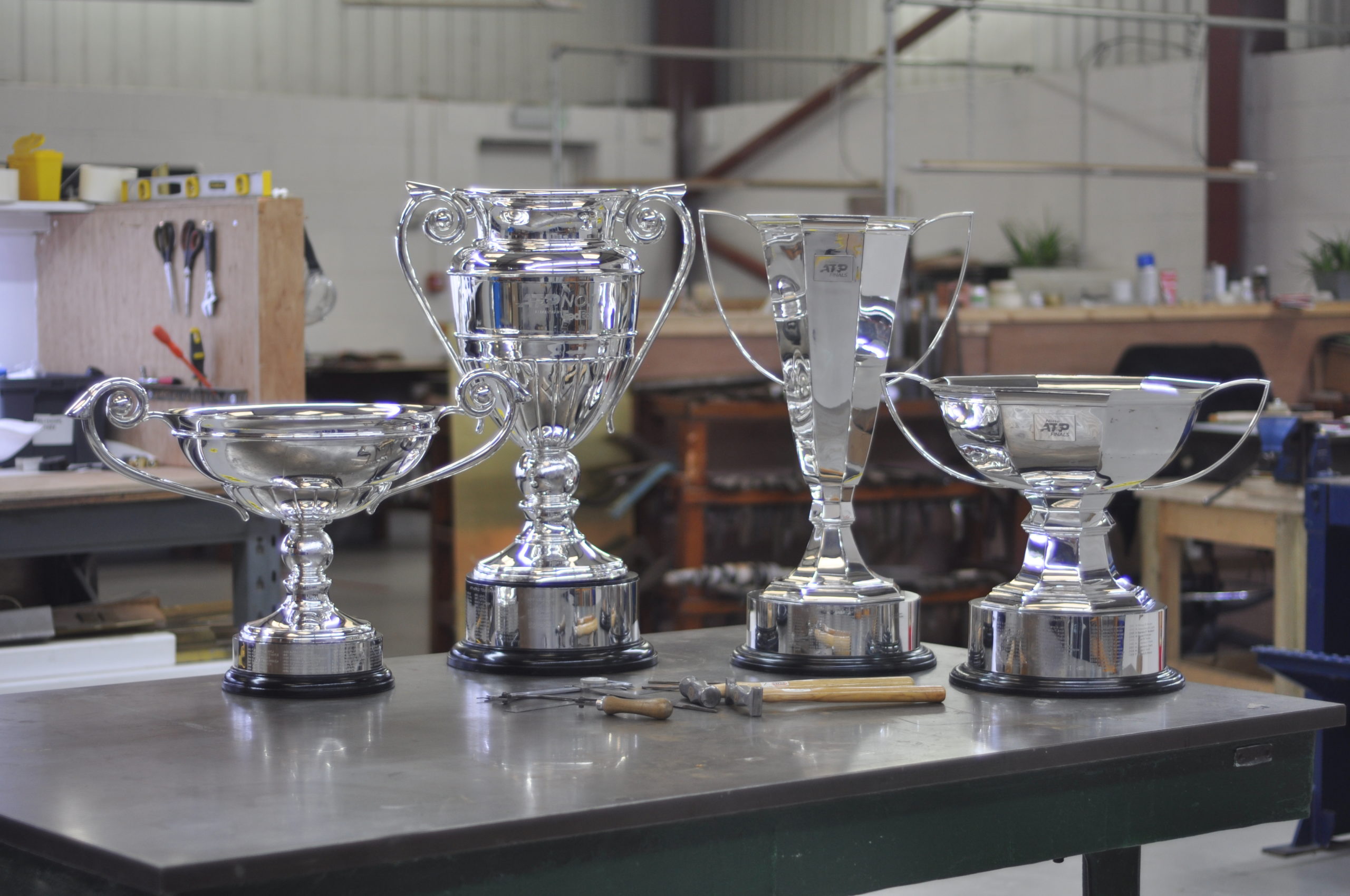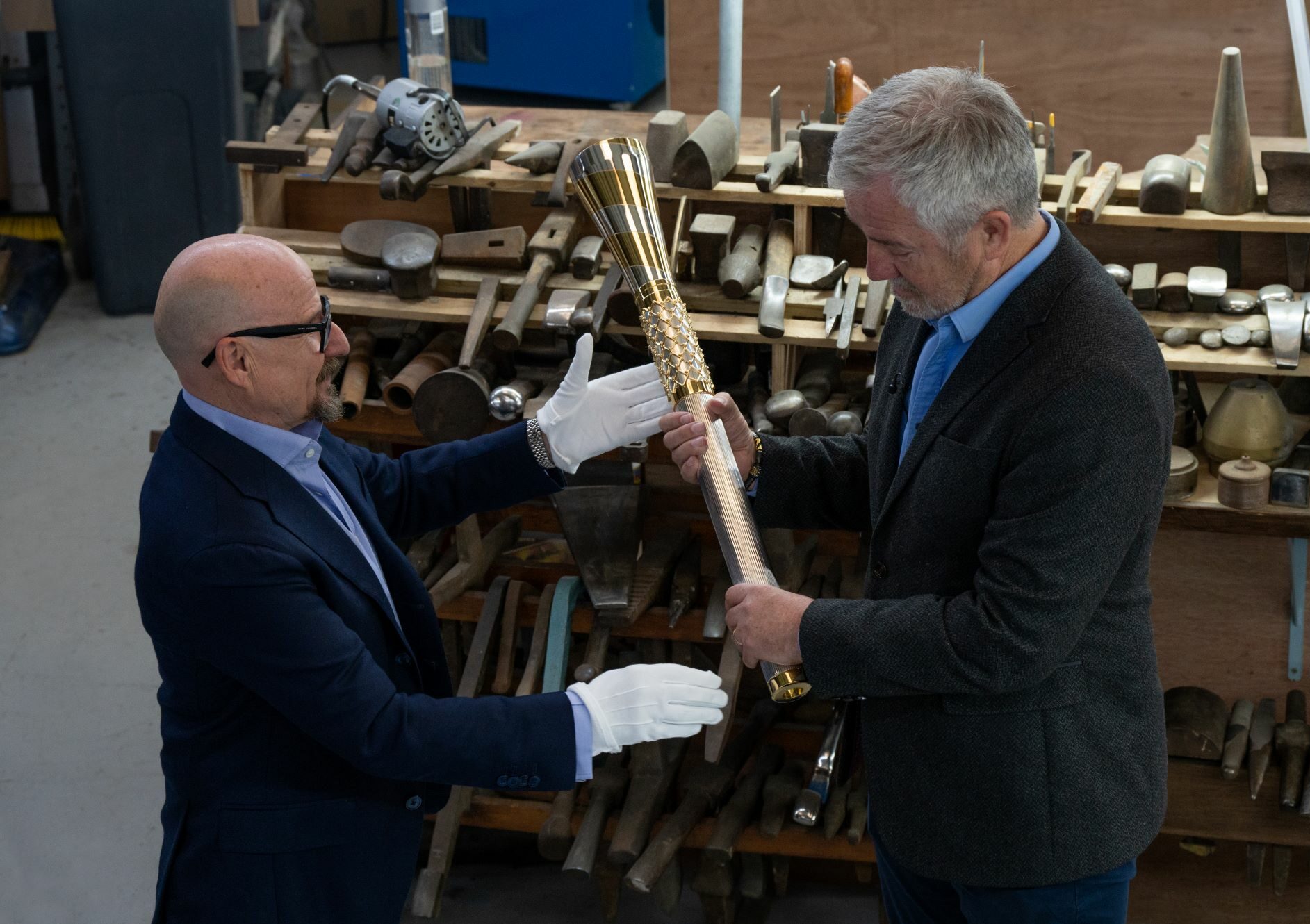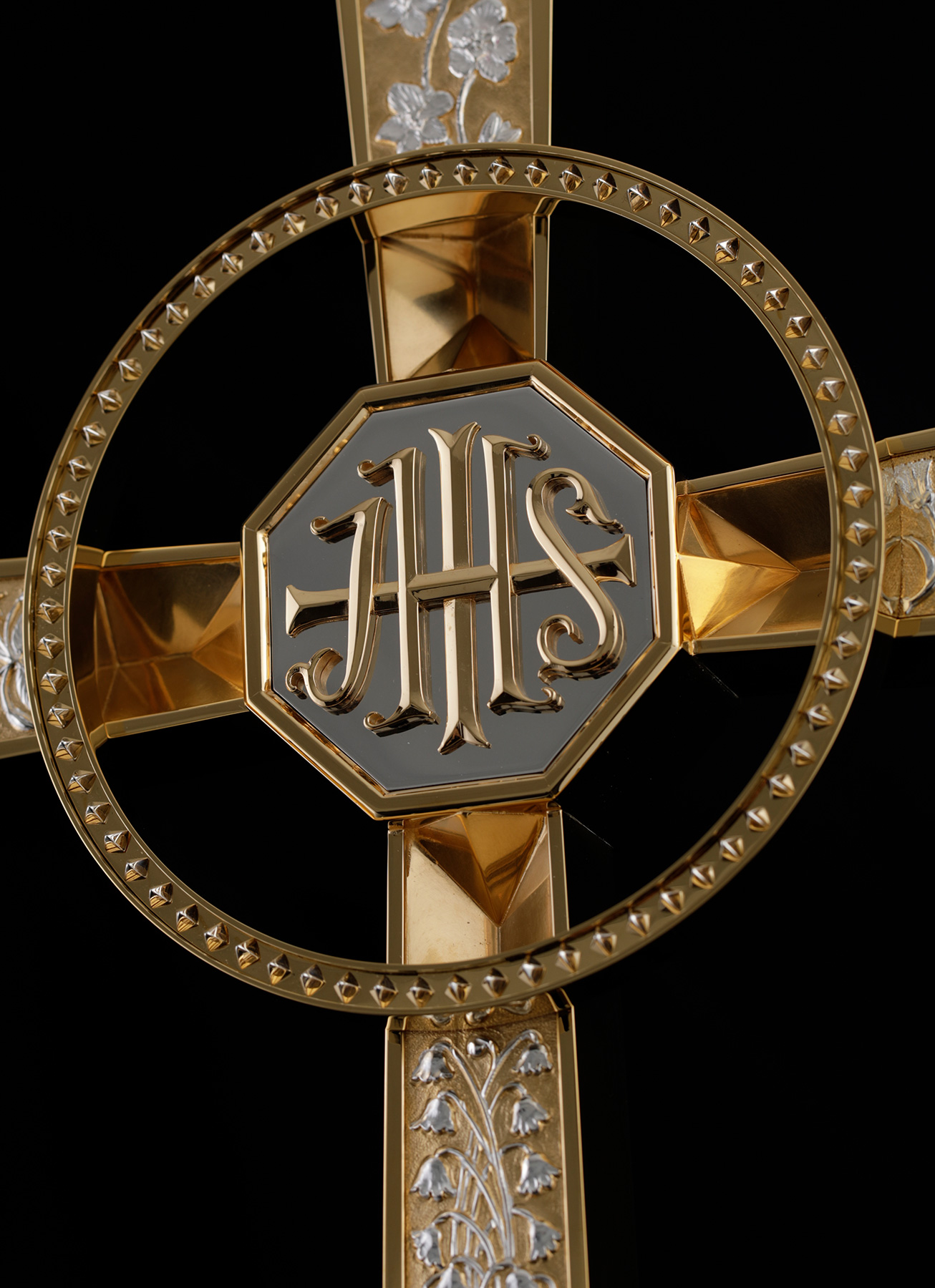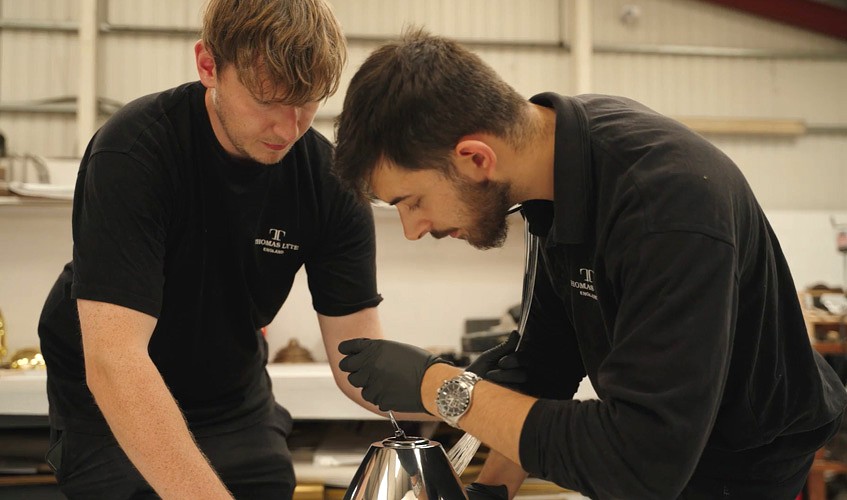
The Nations Championship marks a new chapter in international rugby, bringing together 12 of the world’s leading rugby nations in a biennial competition. With no established history or traditional silverware to draw upon, the commission to create the tournaments silverware presented an opportunity to create something distinctive for a new era of the sport.
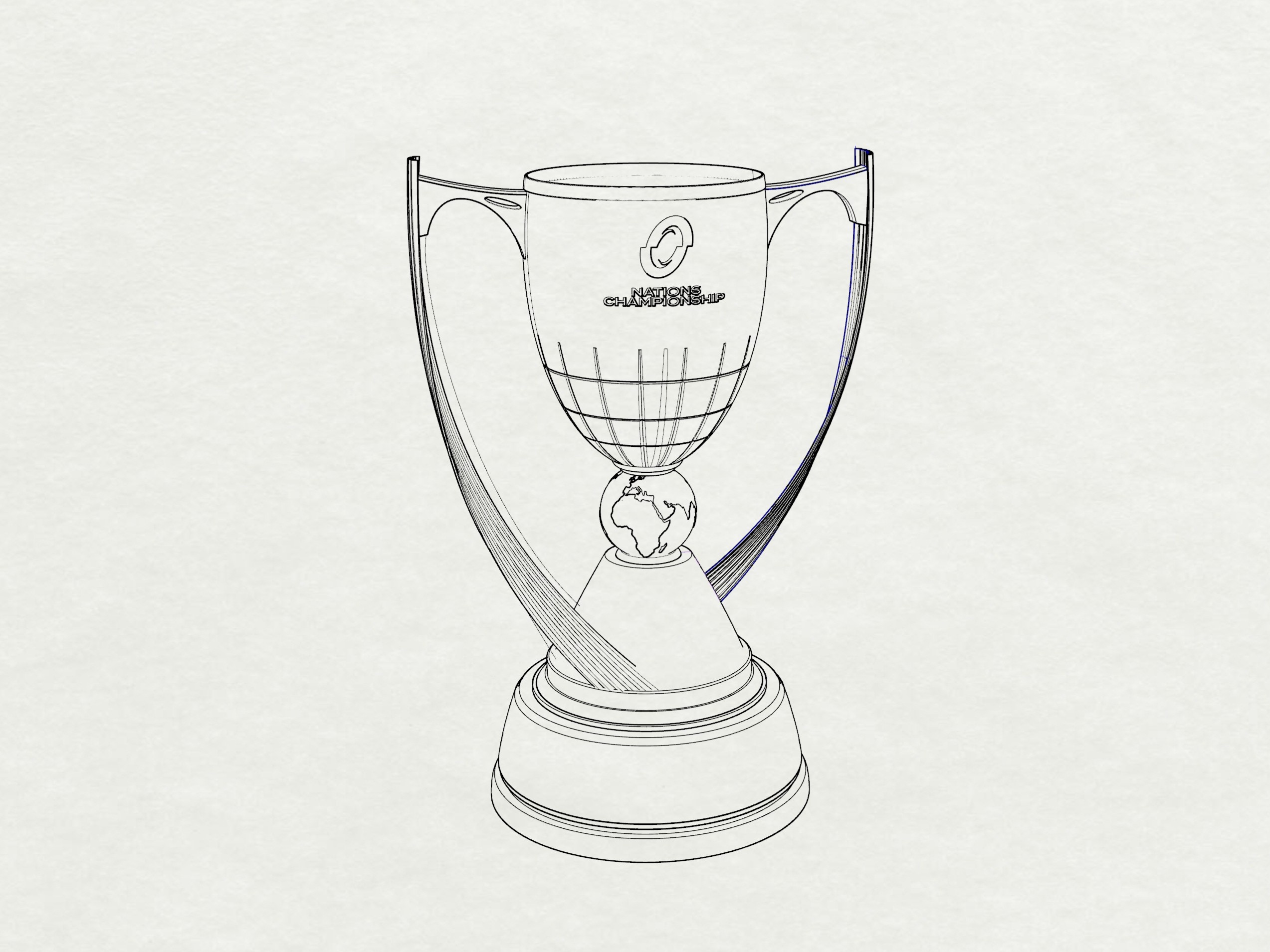
At Thomas Lyte, the challenge was to translate the ambition of this new competition into a piece of silver that would reflect its scale, identity and significance. Working closely with the client, our Head of Design, Chris Cheeseman, led the creative development of the trophy, from the initial concept through to its final form.
Unlike established competitions with decades of history, the Nations Championship offered the freedom to look forward rather than back. The brief called for a contemporary design that would capture the ambition and geographical reach of the tournament and the central concept of the meeting between the Northern and Southern Hemispheres.
The trophy also needed a strong physical presence. Reflecting the scale and physicality of the sport, it had to feel substantial in the hand and carry the significance of the achievement it would represent.
With the central concept established, Chris explored a range of visual references to bring the geographical theme to life. World maps, globes and compasses informed the direction, alongside historic maps and the intricate illustrations of Victorian-era explorers.
These references helped create a universal design language, avoiding associations with any one particular country or region. The intention was to represent the international nature of the competition while giving the trophy an identity of its own.
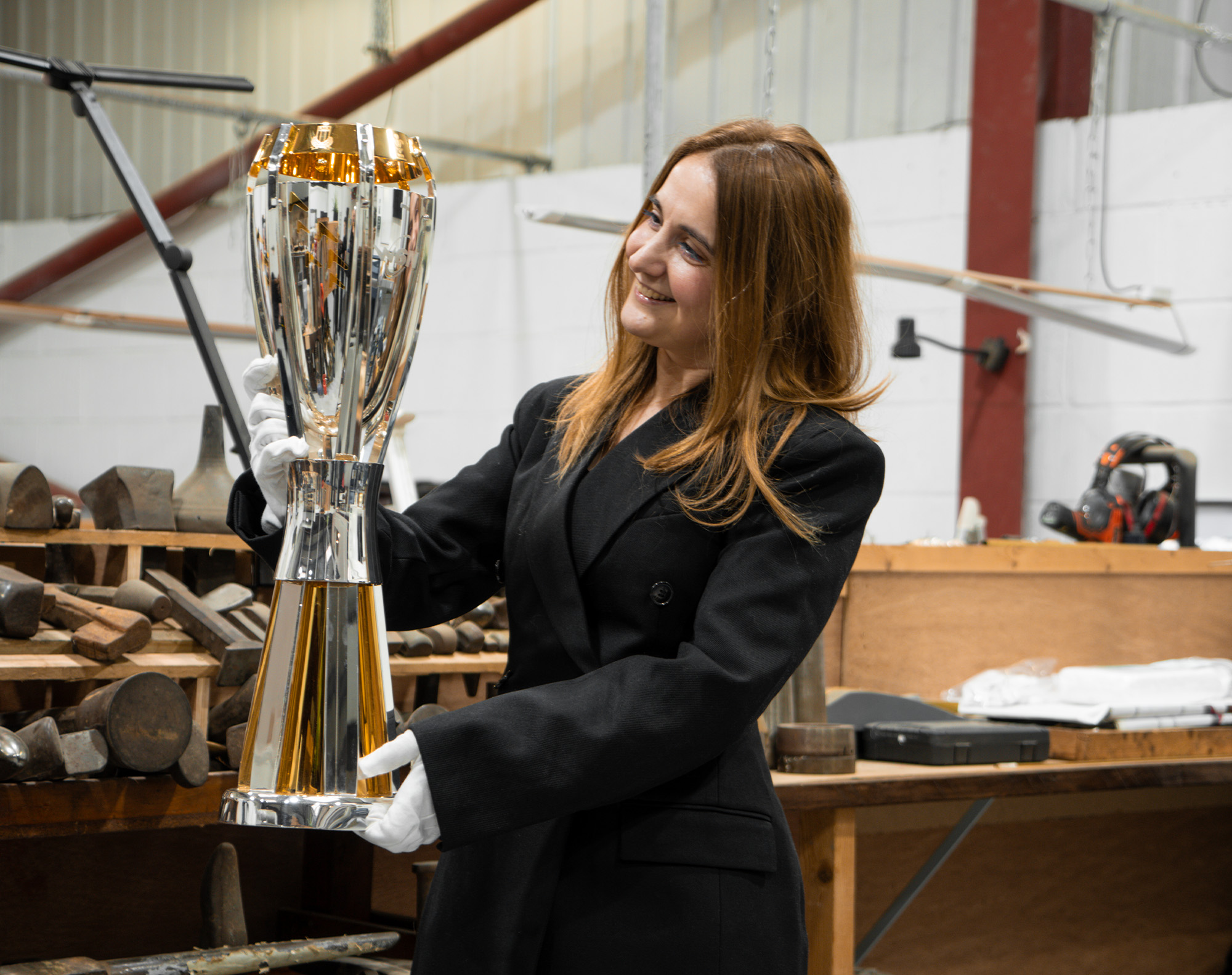
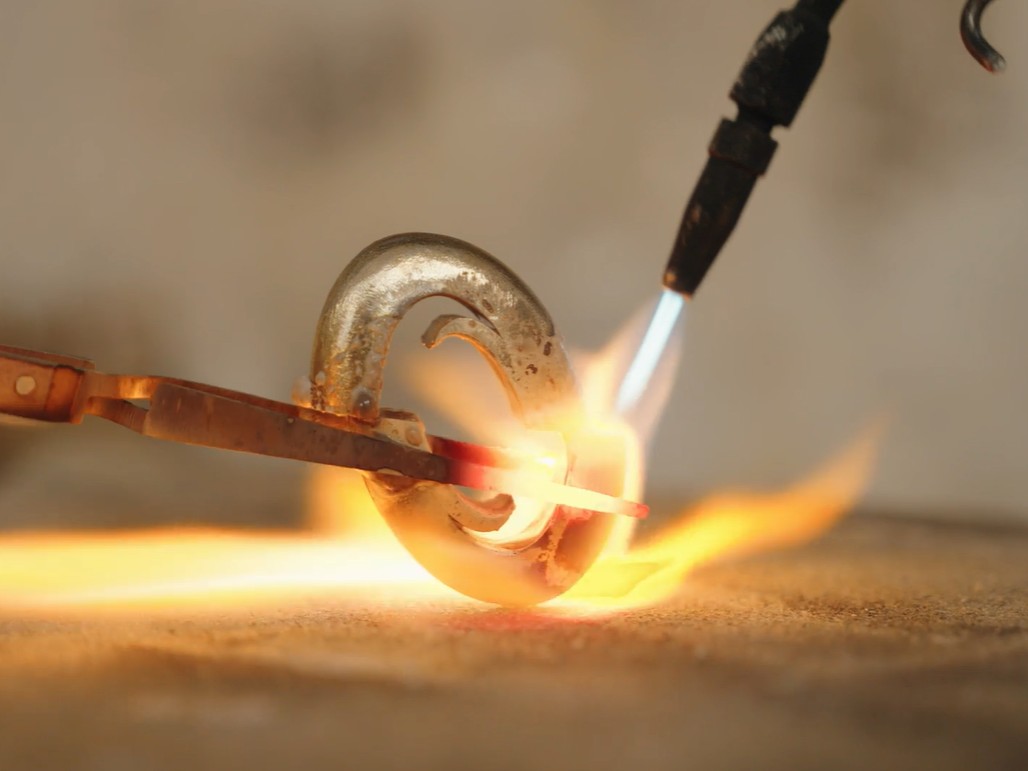
Translating the design into a finished piece brought a selection of technical considerations. The trophy’s scale required our master silversmiths and goldsmiths to work with large amounts of metal, while on the flip side the more intricate features demanded precision and careful planning.
The sweeping, twisting handles with six ripples for the six nations on each side presented one of the biggest challenges. Their form needed to balance visual impact with structural strength and weight distribution. 3D prototyping helped the team assess these considerations before the final piece was made.
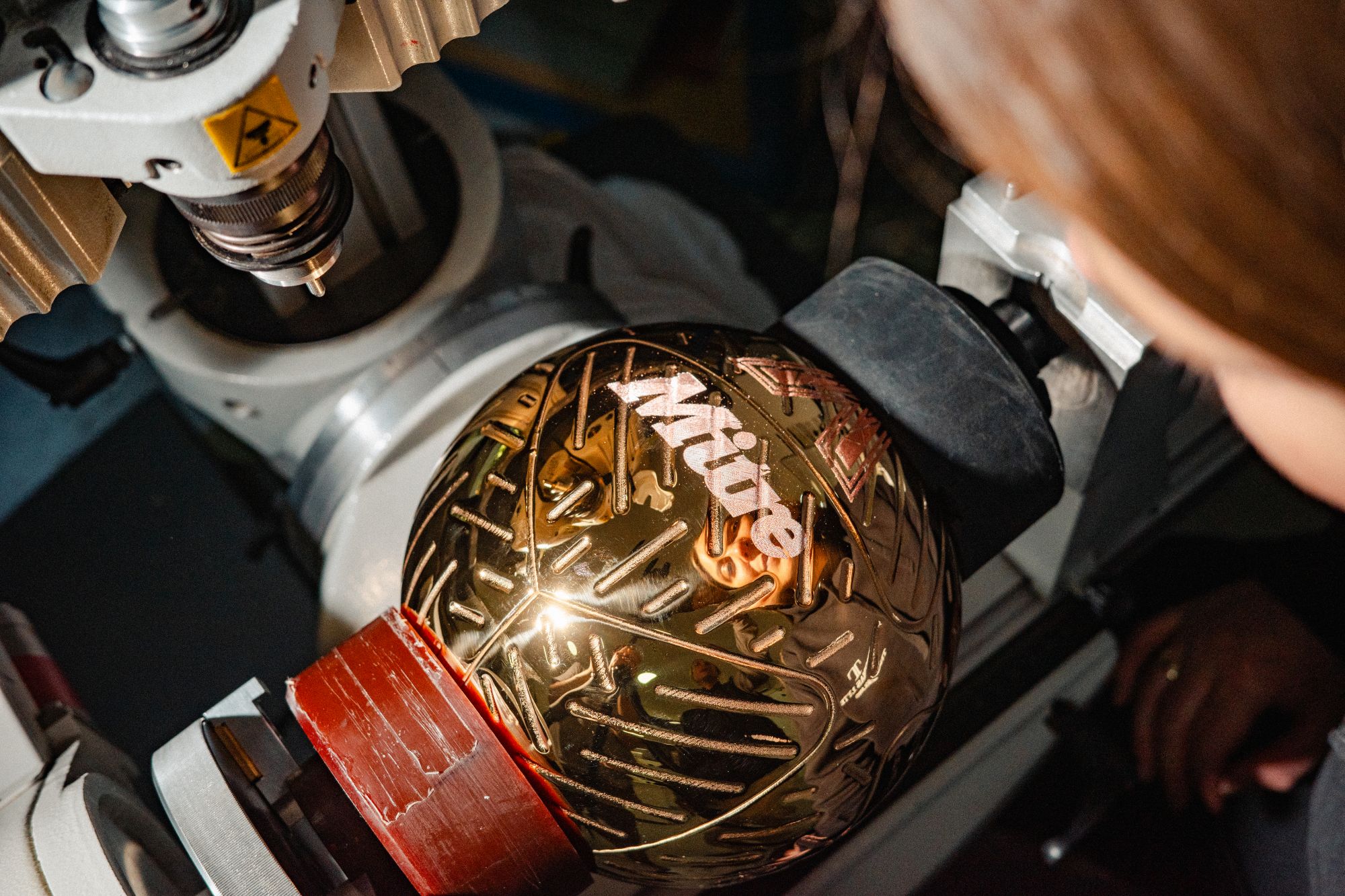
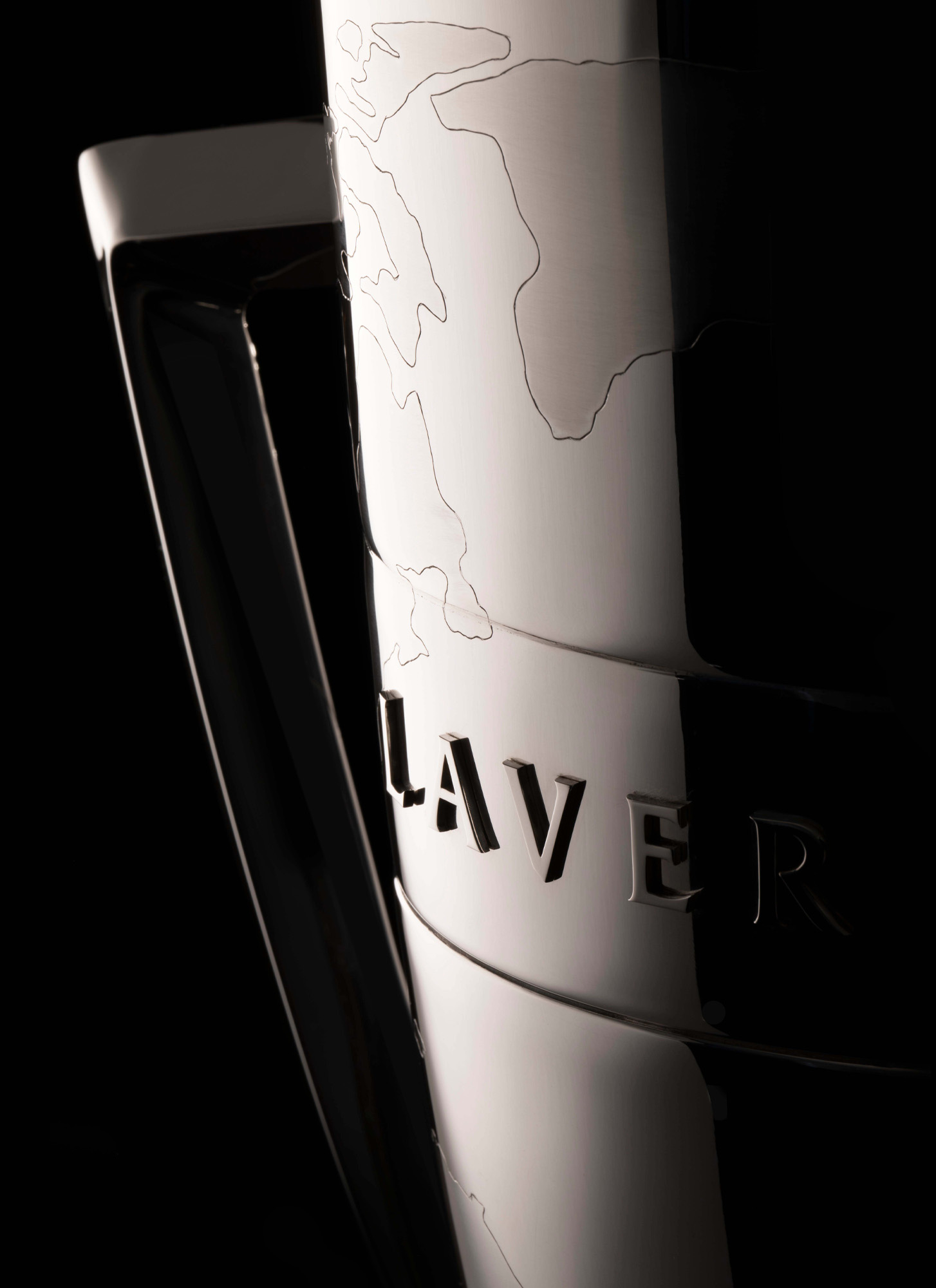
Fine hand chasing was also used to bring the geographical detailing to life. The lines of latitude and longitude were carefully worked into the cup, with the same technique repeated in an inverted form across the base of the accompanying Hemisphere Shield.
For Chris, seeing the first components arrive from the workshop was one of the most rewarding stages of the project.
Seeing the finished trophy alongside the Hemisphere Shield the second silverware up for grabs in the tournament was the significant conclusion. Although designed separately, the two pieces share visual details and a common design language, creating a striking connection between the silverware created for the competition.
For Chris, the commission represents the talent and craftsmanship within Thomas Lyte. Bringing together the work of the design team and the workshop, the project demonstrates the creative thinking and specialist skills that go into developing a piece of silverware from its earliest concept to its final form.
Its true moment will come when it is raised by the winning captain on the 29th November, marking the achievement of the first ever Nations Championship champions.
View this post on Instagram
Read about our press mentions and awards for the project
We have selected a number of case studies that demonstrate the broad range of our capabilities designing and making in precious metals.