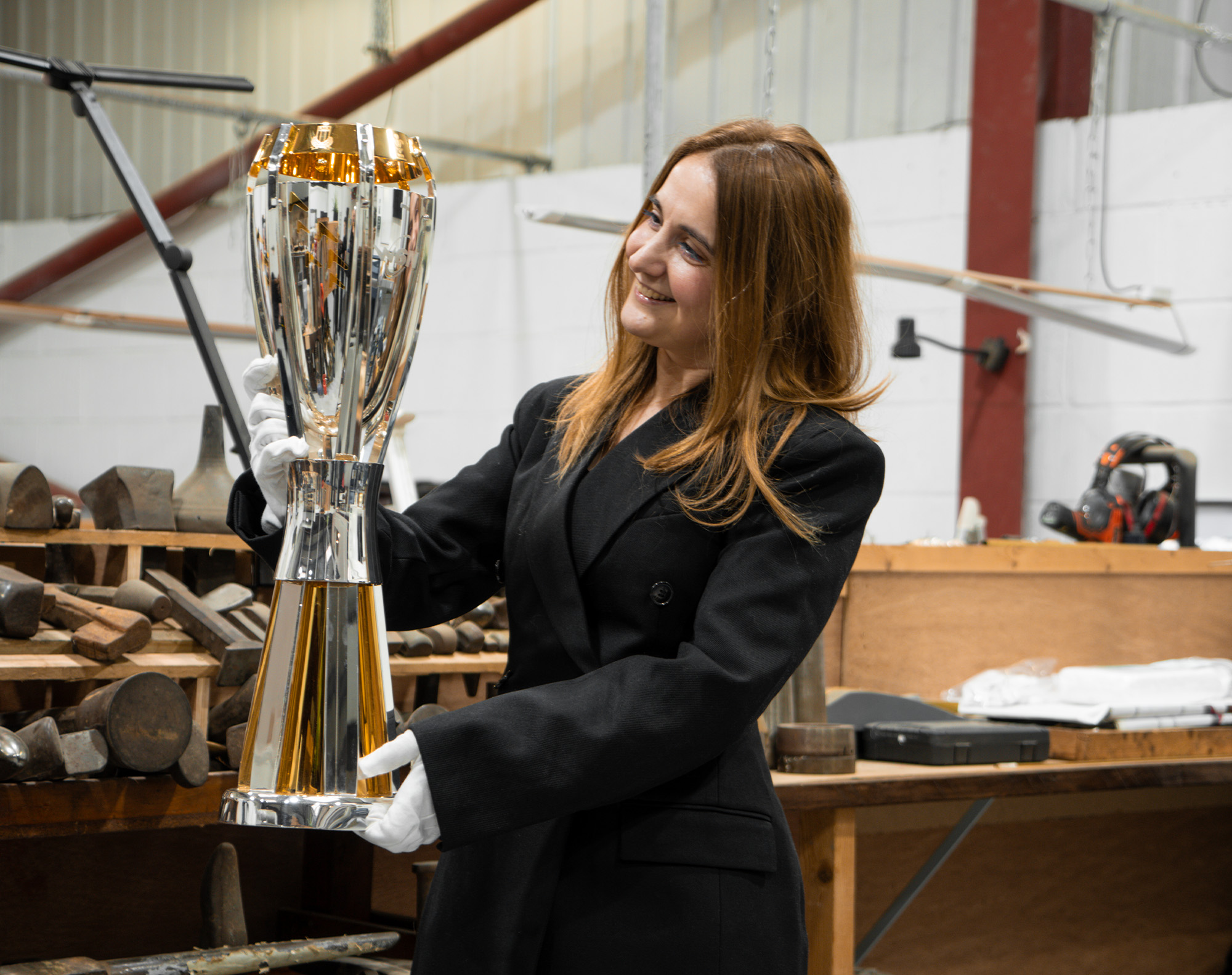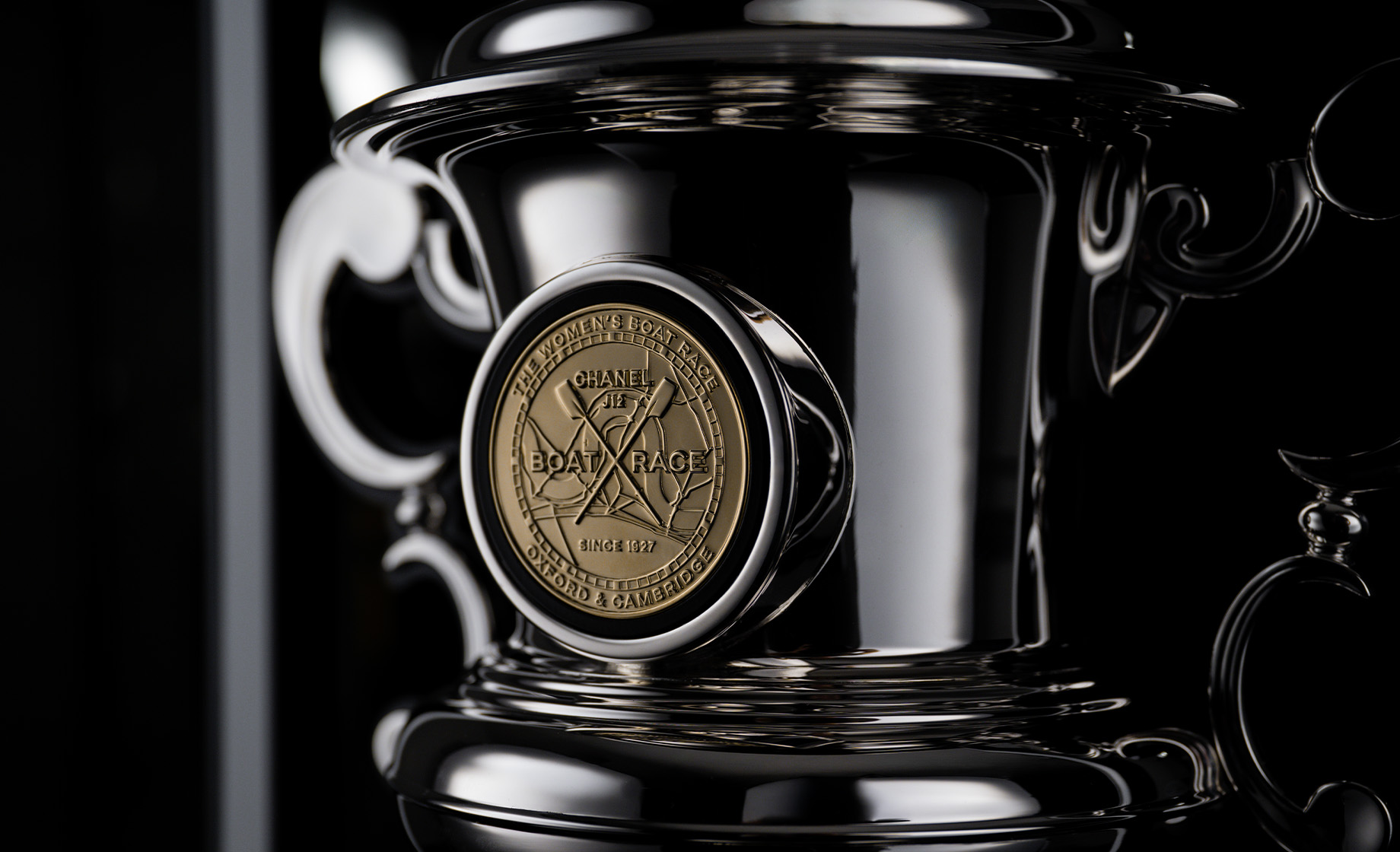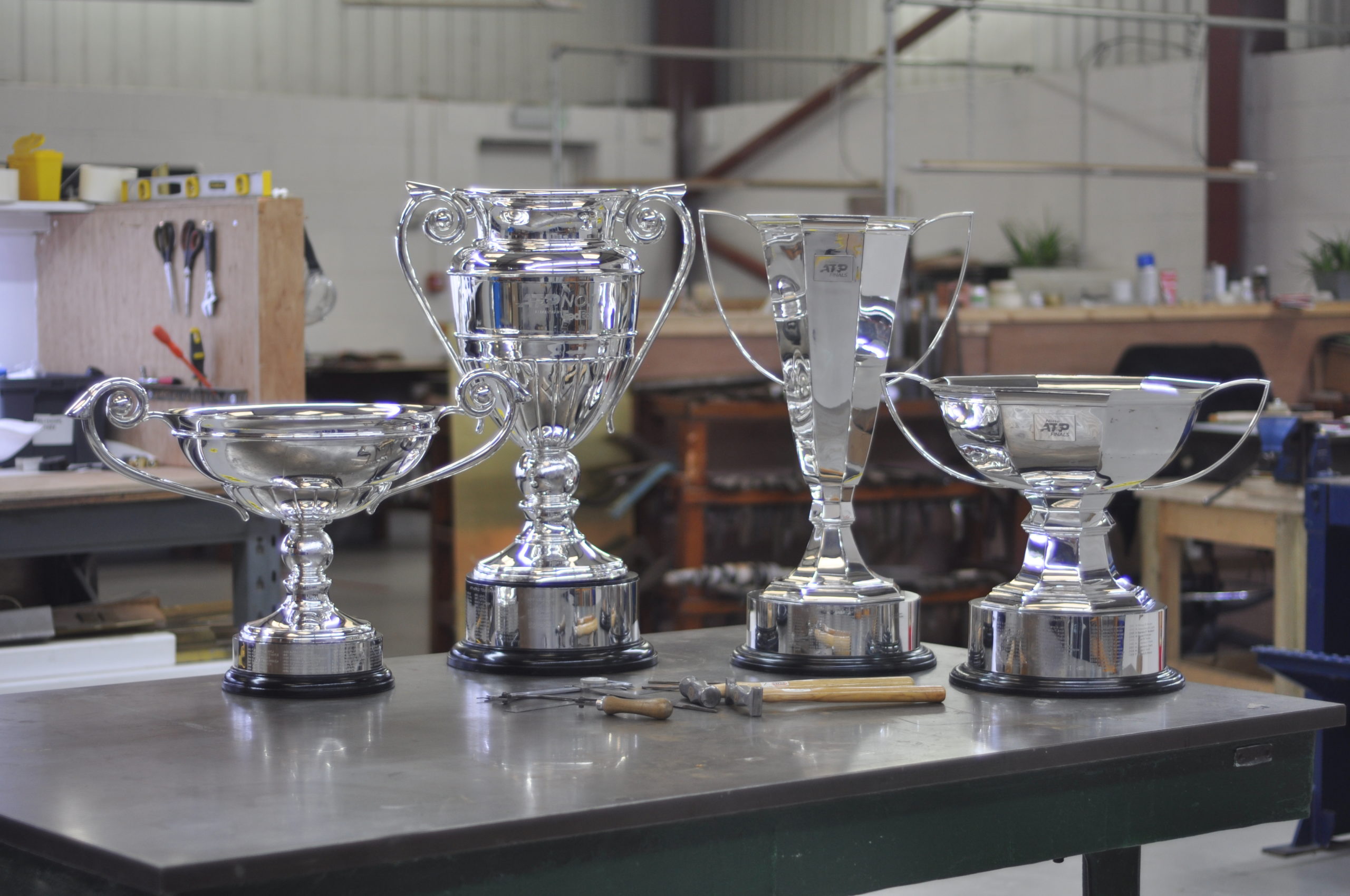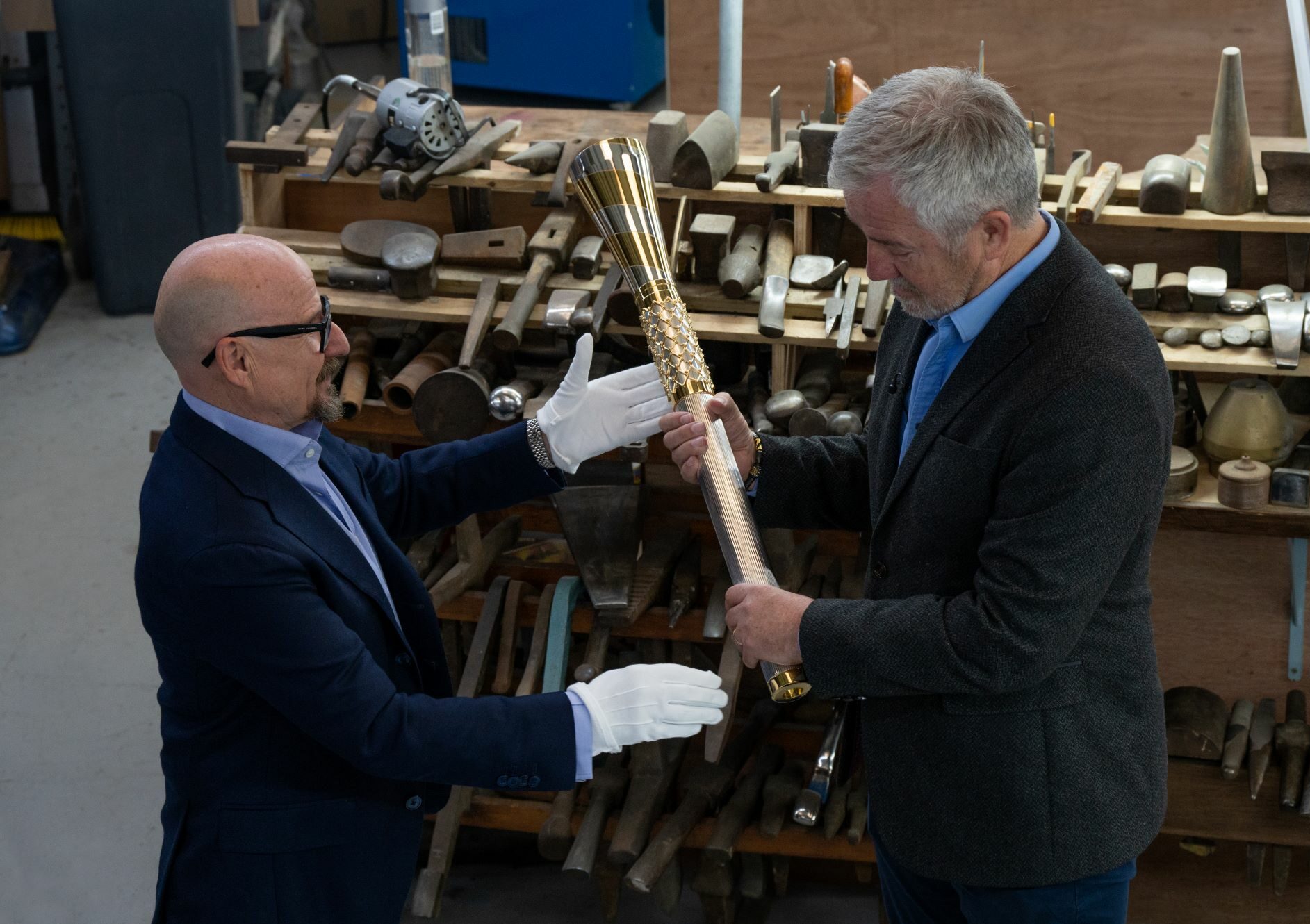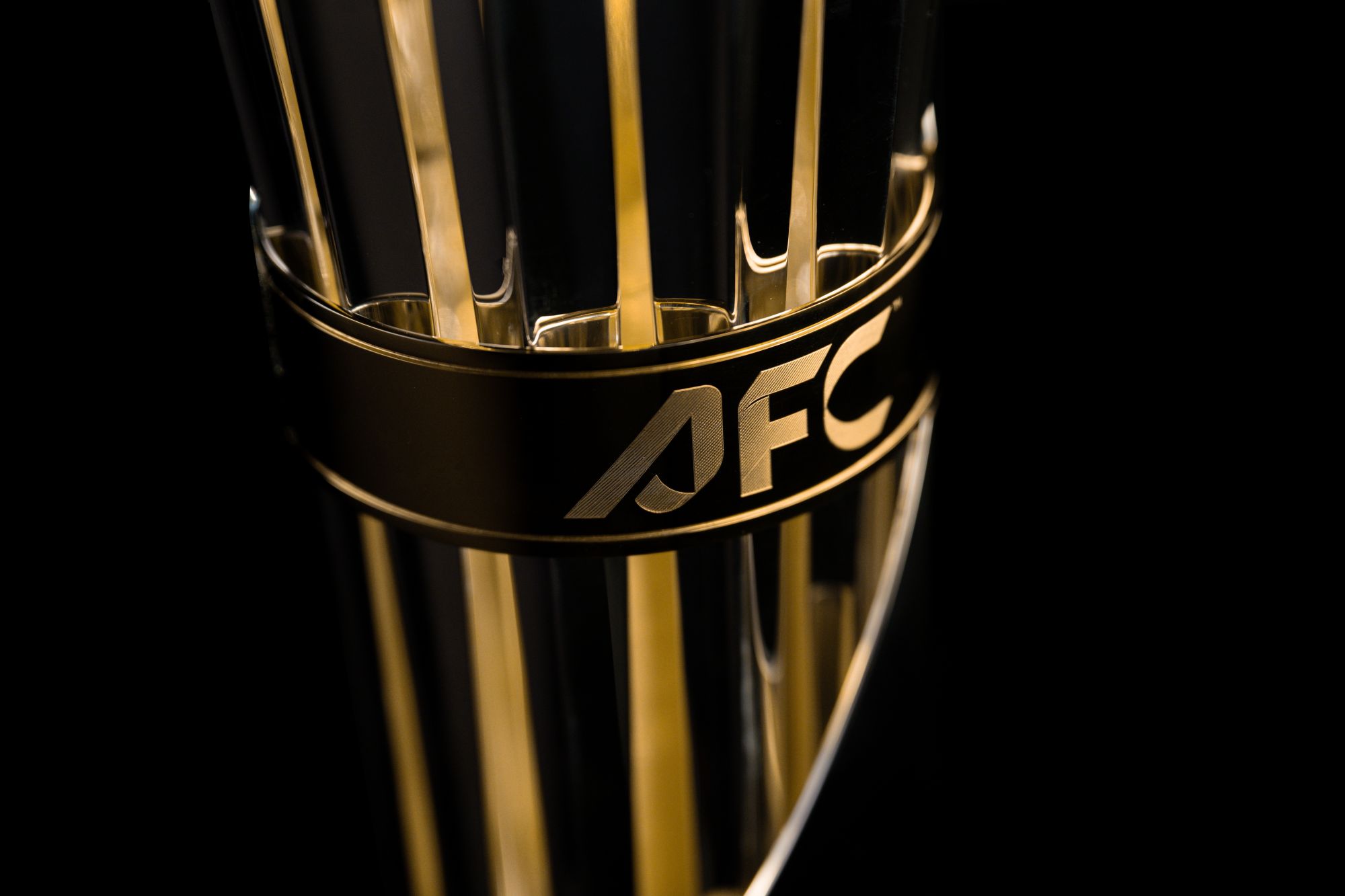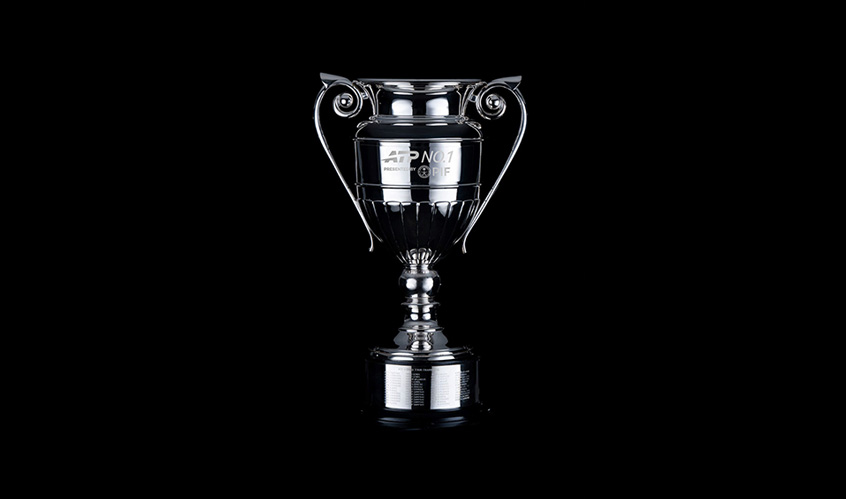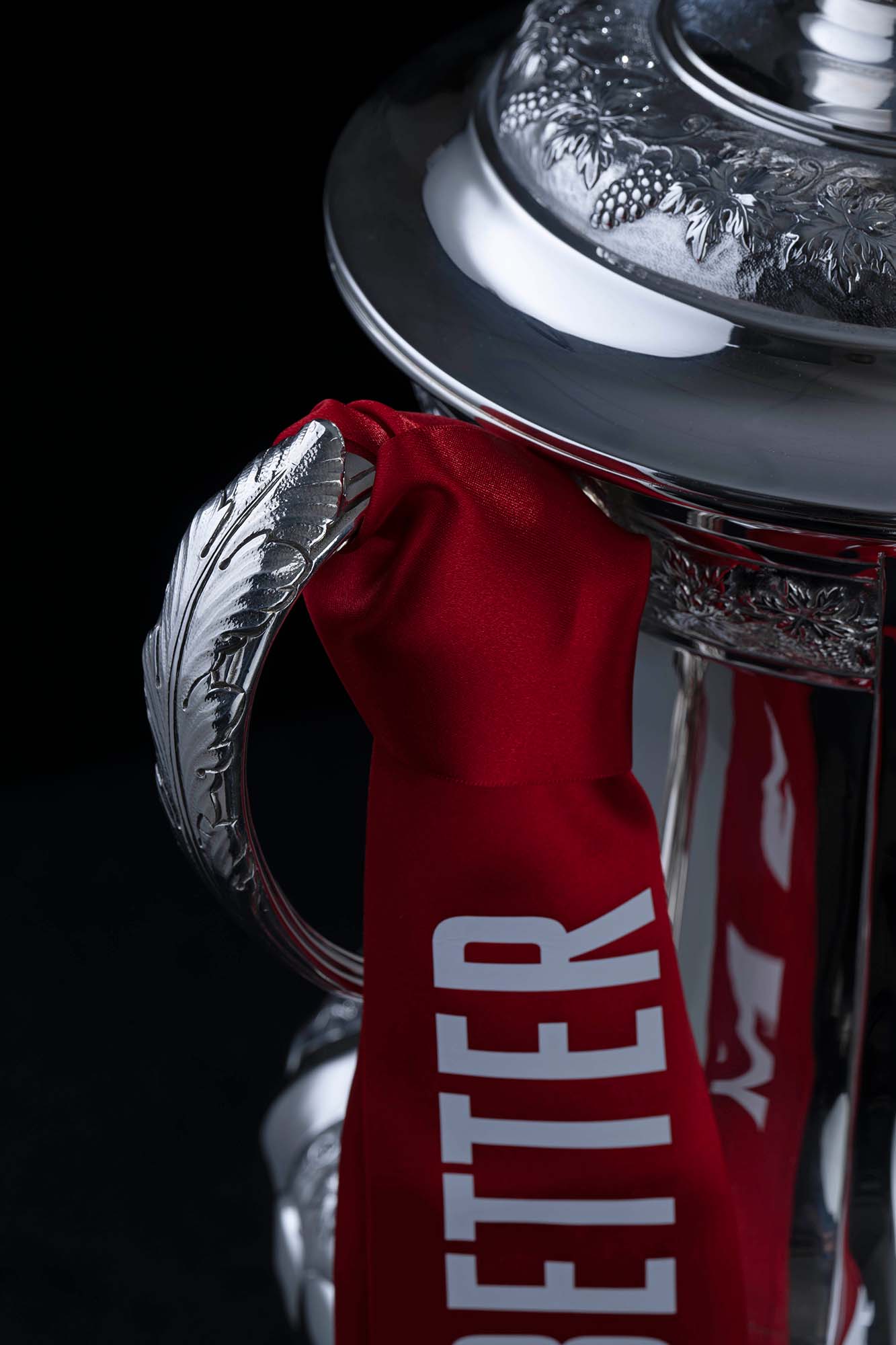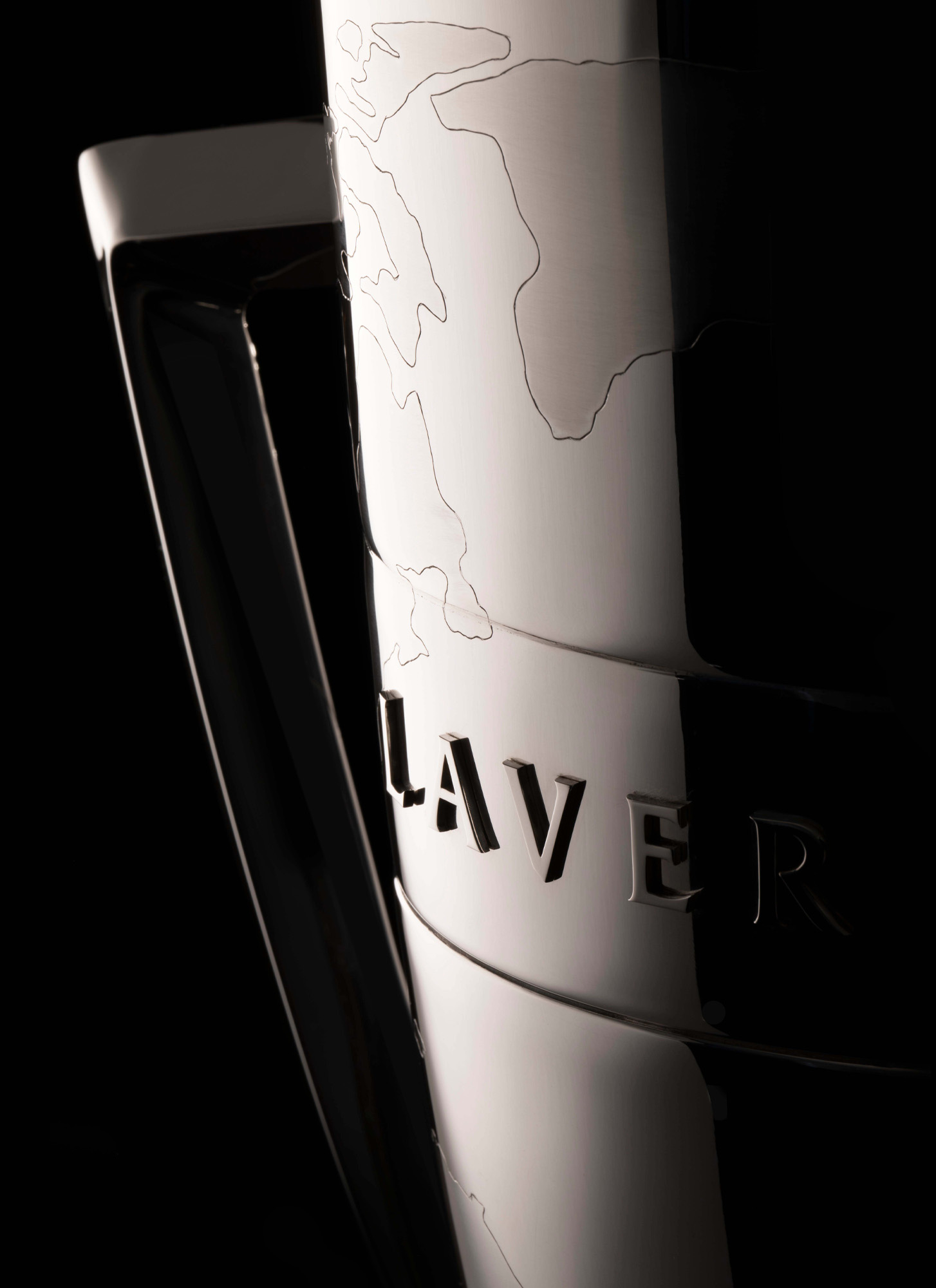
For this year’s awards, our goldsmiths and silversmiths worked together to produce 26 individual trophies, drawing on their specialist skills to bring the designs to life and ensure consistency across the collection.
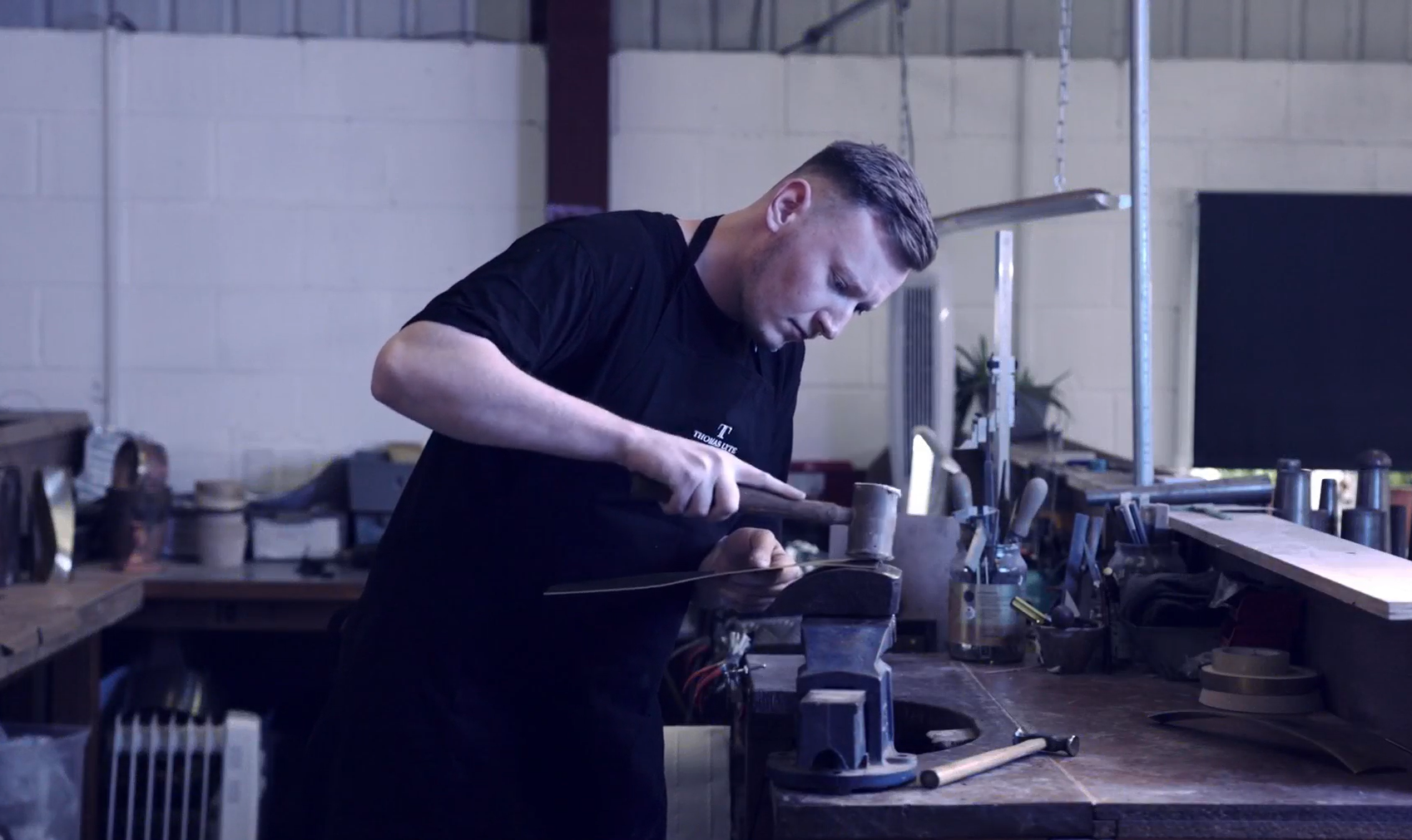
To understand more about the process, we spoke with Dan, one of the silversmiths involved in the project, about the techniques, challenges and attention to detail behind the collection.
Across the workshop, approximately 200 hours were dedicated to the project. Producing a collection of this scale presents its own set of challenges, particularly when ensuring that every trophy is consistent in its finish, proportions and overall quality.
As Dan explains, maintaining that consistency relies on collaboration, with different stages of making requiring careful coordination and attention from the team. Whether cutting, forming, assembling or finishing individual components, every contribution plays a part in achieving the final result.
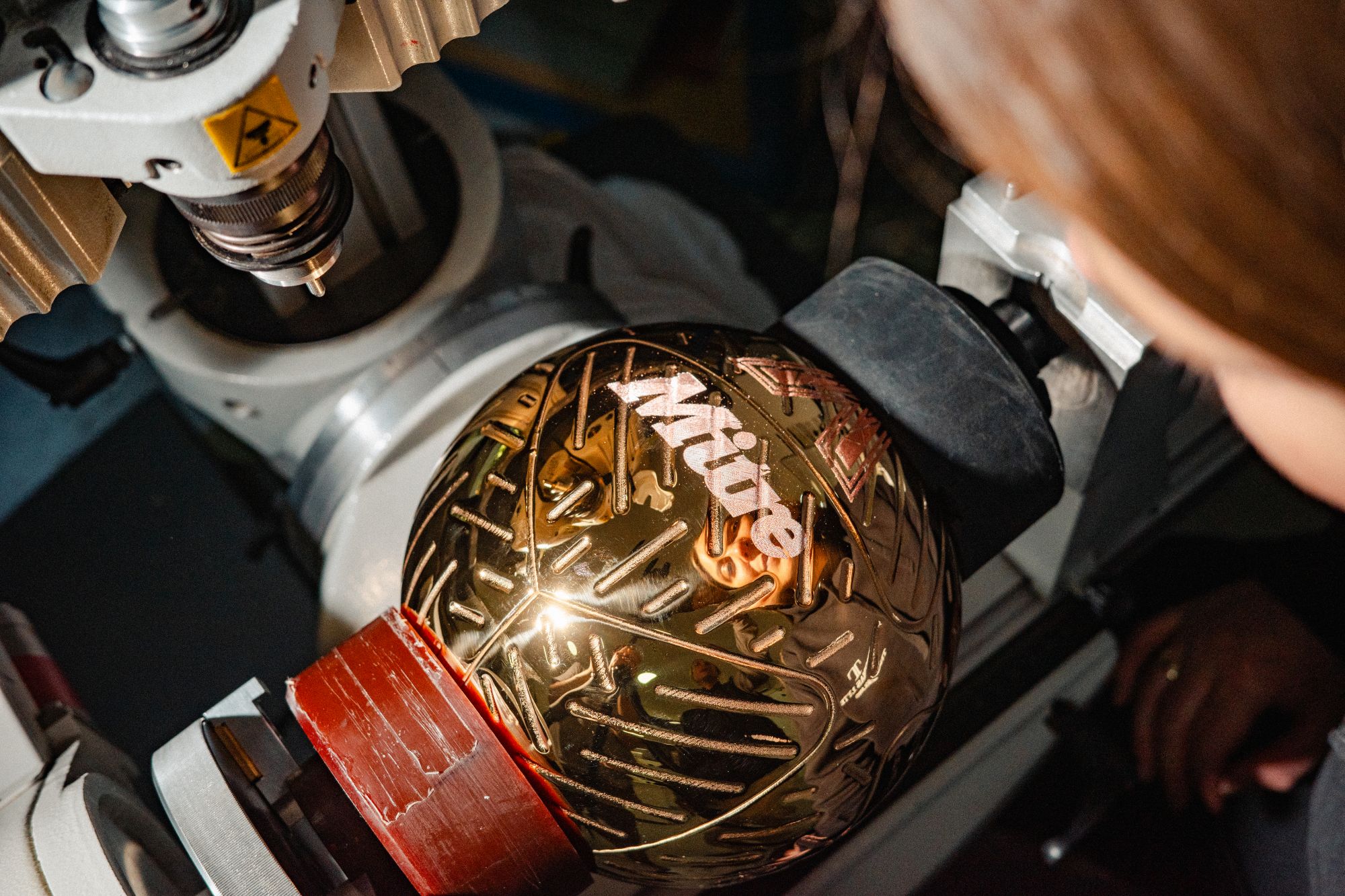
Traditional silversmithing techniques remain central to the making process. Hand-cutting, hand-chasing and soldering are among the skills used to shape and assemble the trophies, with each stage requiring a high level of concentration and control.
One particularly intricate aspect is the making and fitting of the veins. These individual elements must be carefully formed and positioned to achieve the intended appearance, adding another layer of precision to the assembly. For Dan, this is also one of the most enjoyable stages of the process, particularly the hands-on work of folding and cutting the veins.
The process is rarely a straightforward journey from start to finish. Components are frequently assembled, assessed and taken apart again, sometimes five or six times, before everything sits exactly as it should. Patience is essential, as even small adjustments can make a significant difference to the finished piece.
Before completion, each trophy undergoes a series of detailed quality checks to ensure it meets the agreed specifications. The finished pieces are carefully assessed against the original artwork and technical drawings produced by the Thomas Lyte design team and signed off by the client.
Particular attention is also given to the accuracy of the engraving, as well as the spacing and alignment of individual components within each trophy. Achieving this level of detail across an entire collection requires careful inspection. This thorough approach to quality control ensures the finished silverware remains true to the original design, with every detail considered before it leaves our workshop.
View this post on Instagram
While the making process demands sustained concentration, seeing the finished trophies presented to their award winners brings a different perspective. As Dan reflects, it can be easy to become so absorbed in the individual stages of production that the wider significance of the work temporarily fades into the background.
From the first stages of cutting and forming to the final quality checks, the AFC Annual Awards collection reflects the time, skill and collective effort invested by the Thomas Lyte workshop.
Read about our press mentions and awards for the project
We have selected a number of case studies that demonstrate the broad range of our capabilities designing and making in precious metals.