Some sporting trophies become far more than prizes. They evolve into symbols of excellence, representing defining moments, extraordinary achievements and generations of sporting history. The most enduring trophies capture the imagination of athletes and fans alike.
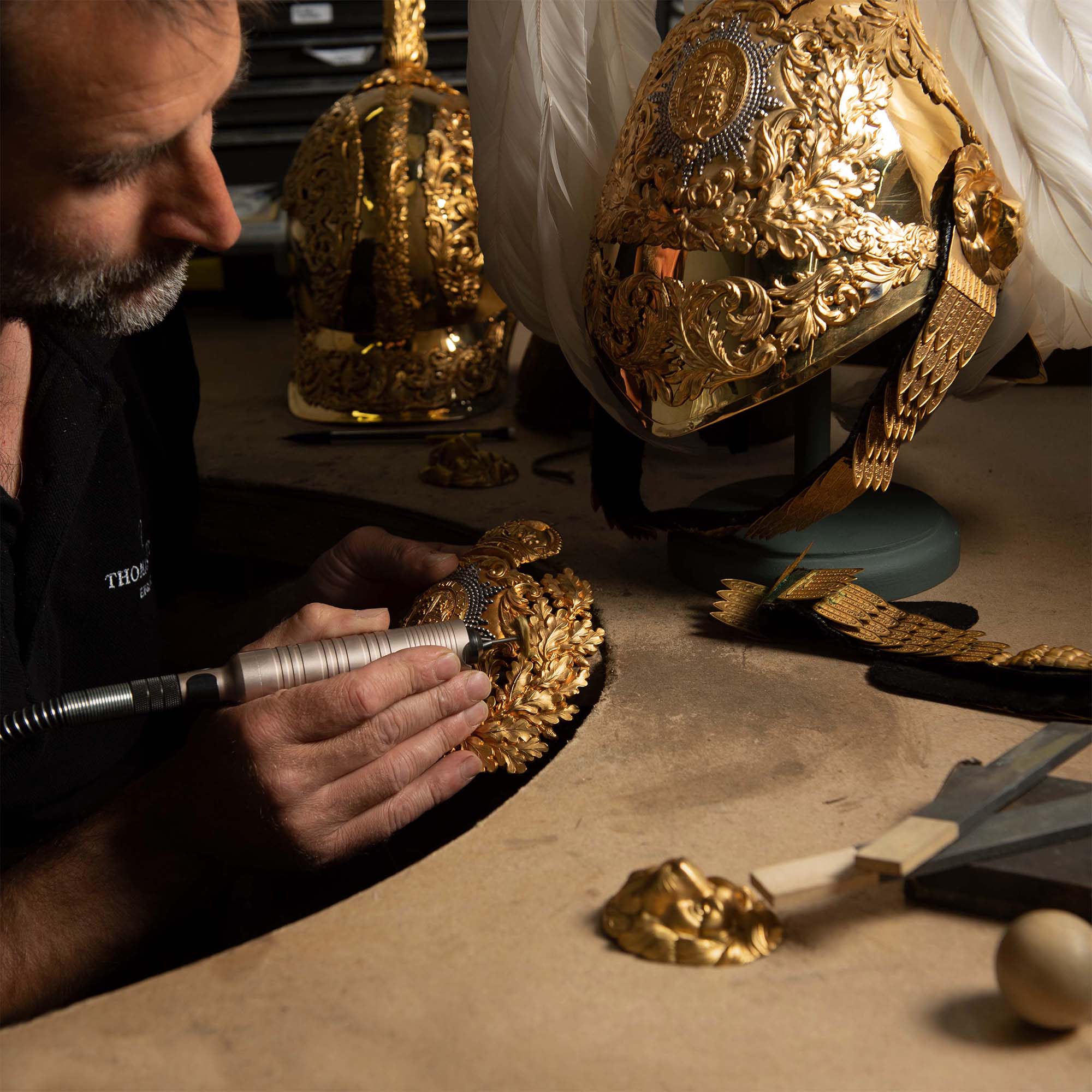
At Thomas Lyte, we understand what it takes to create a trophy worthy of sporting history. From designing and handcrafting trophies for some of the world’s most prestigious competitions to restoring treasured historic silverware, our master craftspeople have helped shape the legacy of sporting excellence.
So, what makes a trophy truly iconic? Is it its history, craftsmanship, the competition it represents, or the unforgettable moments it has witnessed? We explore six exceptional trophies that each make a compelling case for icon status.
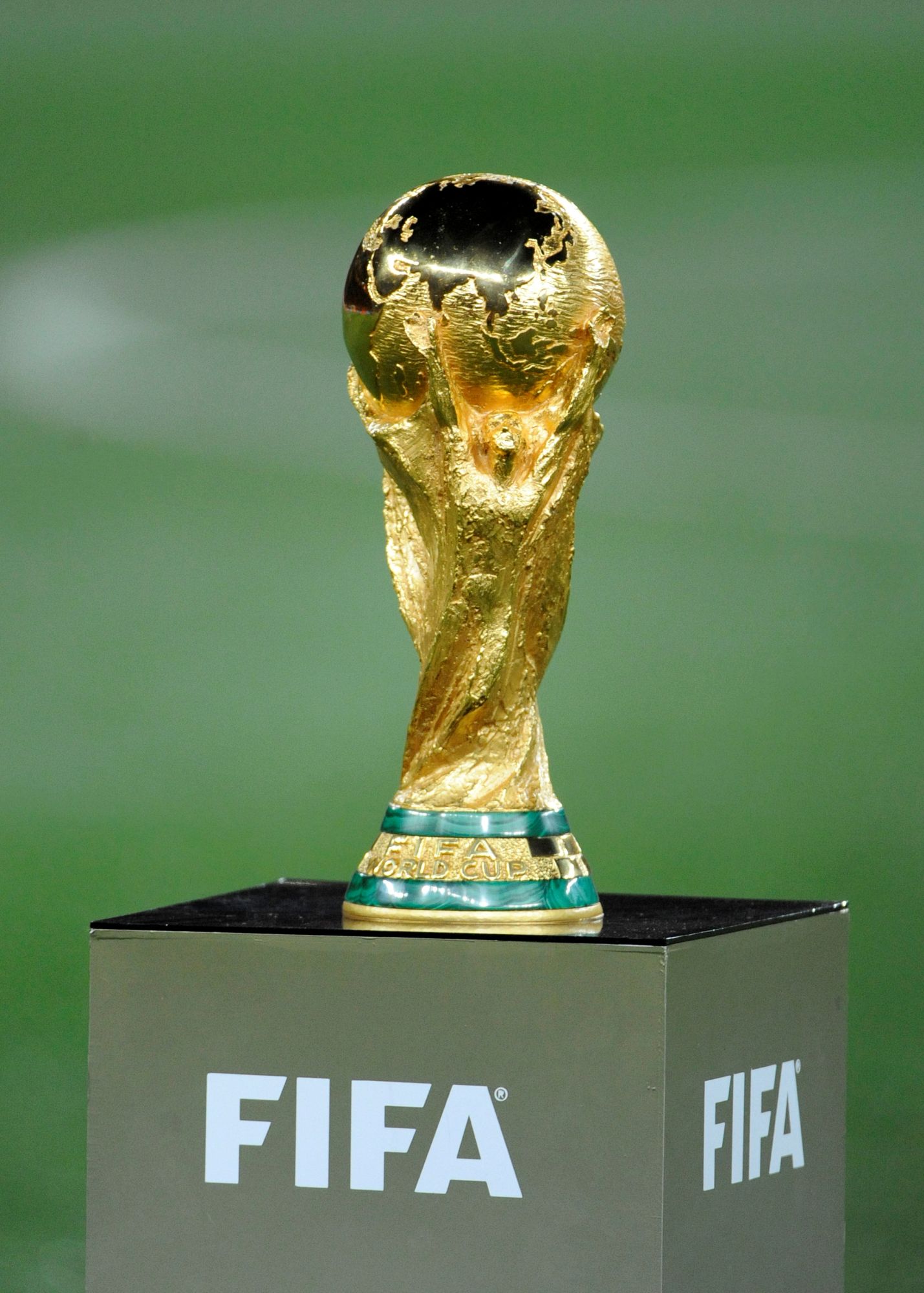
When discussing iconic sporting trophies, it is nearly impossible not to start with the FIFA World Cup Trophy. We are once again nearing the deciding final for the cup that every footballer dreams of lifting.
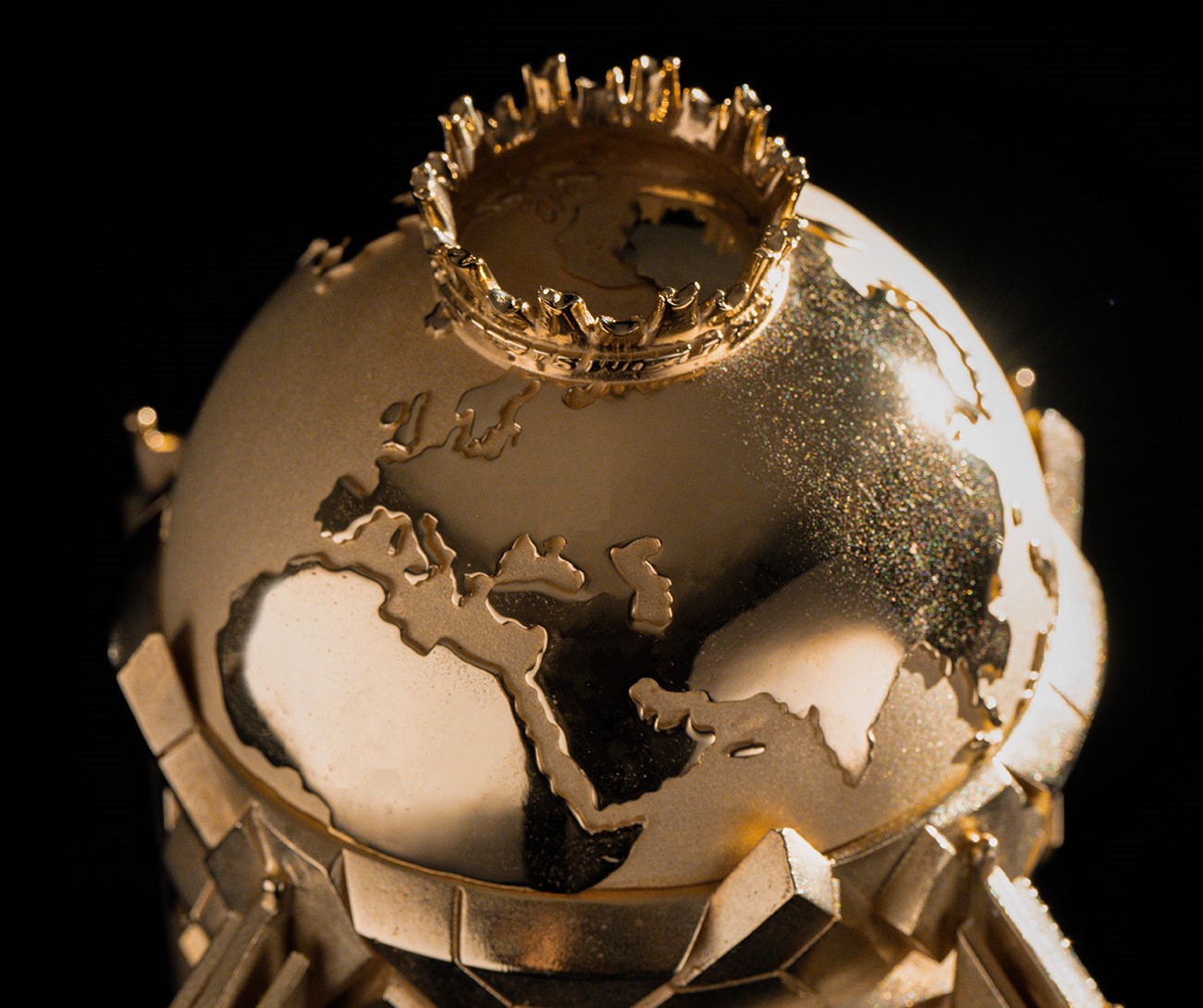
The current trophy, first lifted by West Germany in 1974, replaced the original Jules Rimet Trophy. Formed from 18-carat gold, it depicts two human figures lifting the Earth, a clear encapsulation of football’s global, unifying spirit. Its design is a reminder that, long after the final whistle, the trophy remains an instantly recognisable symbol across continents, cultures and generations.
What perhaps makes it truly iconic, however, is not only its design but the sporting tradition it inherited from the original trophy. At the 1958 FIFA World Cup in Sweden, Brazilian captain Hilderaldo Bellini raised the Jules Rimet Trophy above his head after photographers asked for a better view. Before then, trophies were typically held at shoulder height. This spontaneous gesture became a tradition for every World Cup-winning captain and soon evolved into the universal symbol of celebration across sports.
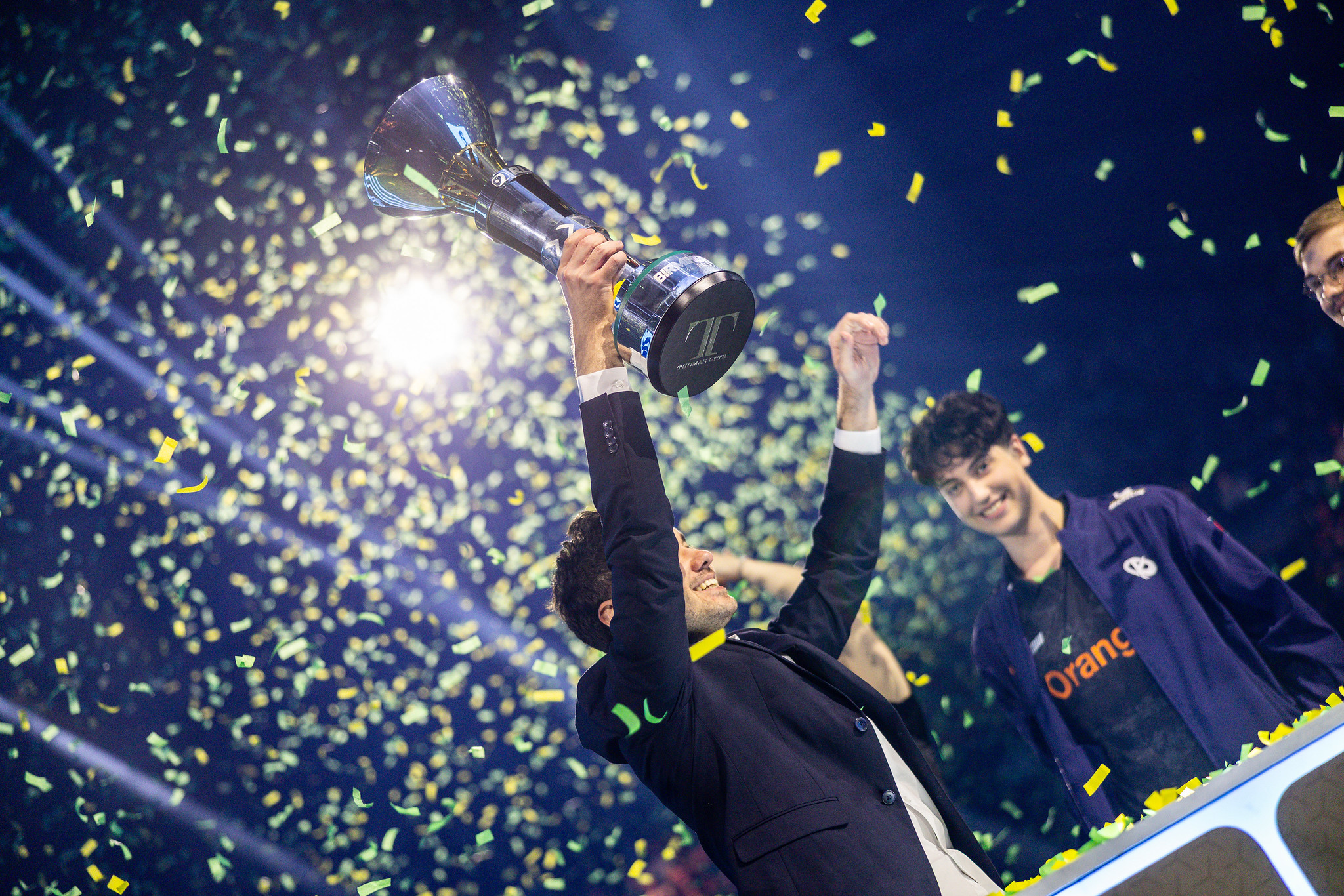
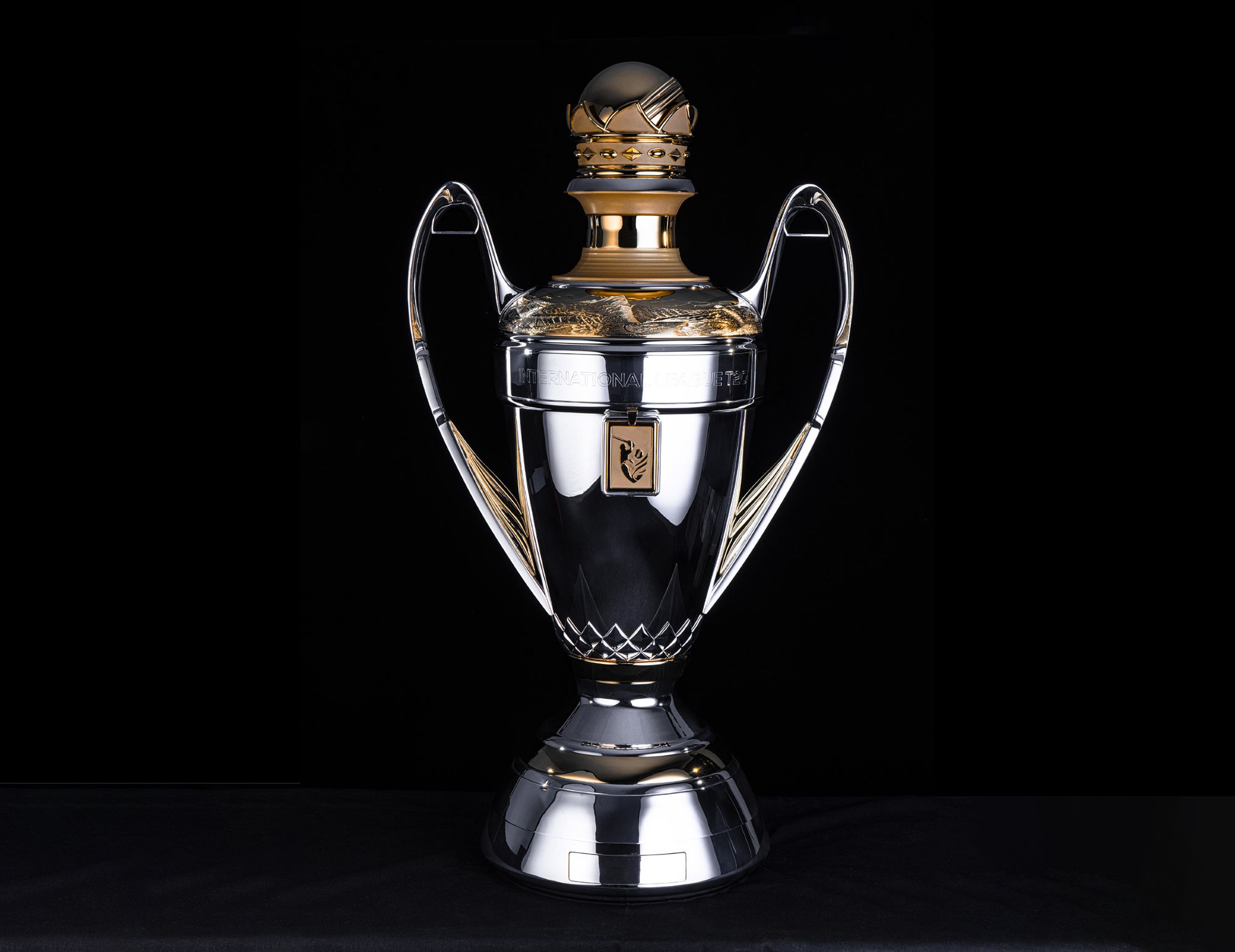
The International League T20 Trophy is a testament to the pure skill of Thomas Lyte’s master craftspeople. Here, what makes it iconic is the carefully considered design and exceptional level of detail.
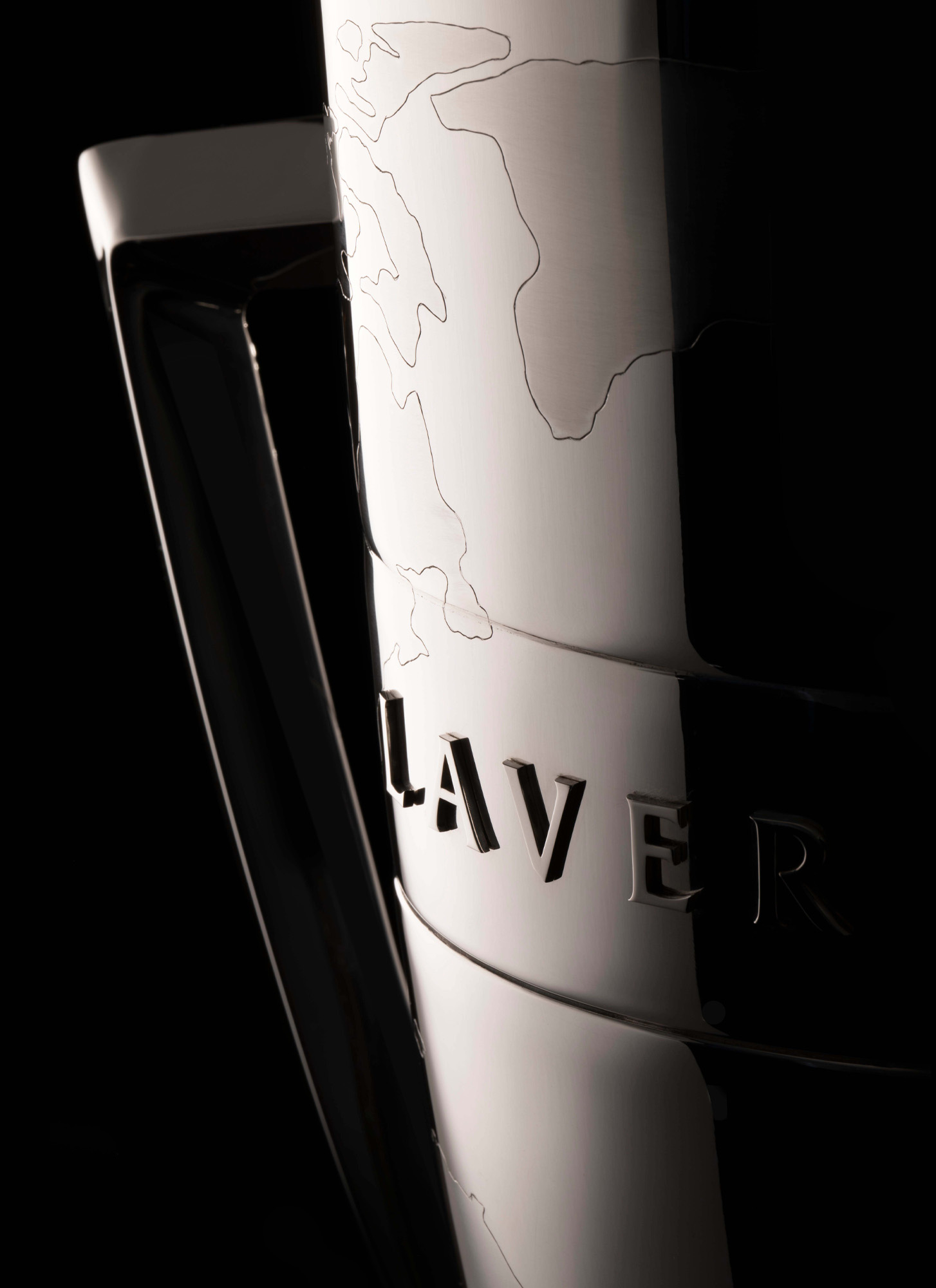
Designed and handcrafted by Thomas Lyte, the trophy stands 830mm tall, directly proportional to Dubai’s iconic Burj Khalifa and mirroring its 830m height. This is just one of many details embedded within the design. Inspired by the UAE’s heritage, its teardrop form and feathered handles reflect a diving falcon, the nation’s national bird. While the engraved Jebel Jais mountain and hand-spun, sandblasted gold neck evoke the country’s landscapes and culture.
Every element of the trophy has been created with purpose, demonstrating how thoughtful design can tell a story. It is this meticulous craftsmanship and meaningful symbolism that make the International League T20 Trophy a modern sporting icon.
Read more on our case study page dedicated to the International League T20 Trophy.
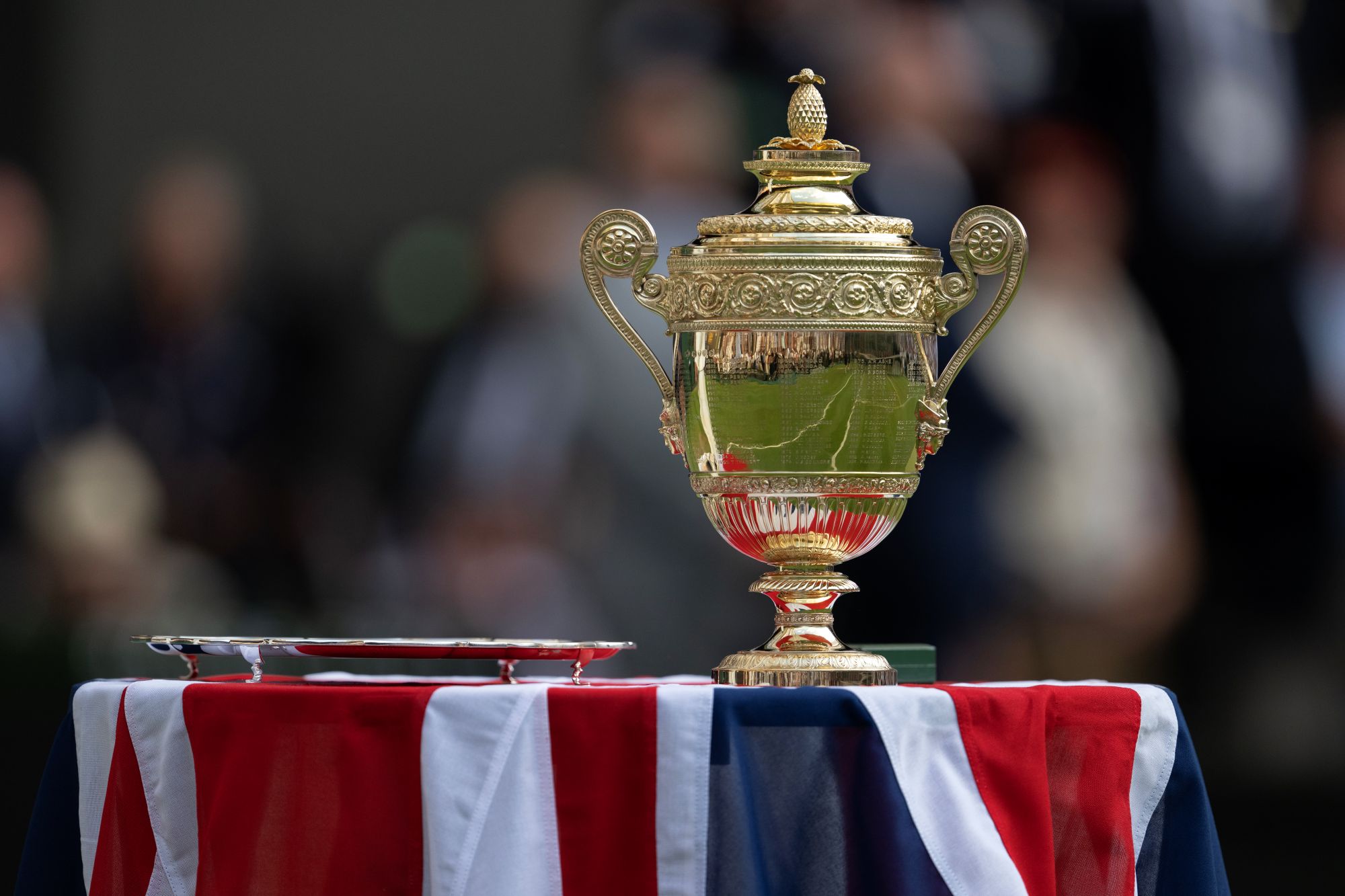
During the summer months, one name stands above the rest: Wimbledon. The tournament boasts over 150 years of history, and the Gentlemen’s Singles Cup, is a clear reflection of that enduring legacy.
The third iteration trophy carries the names of every champion from the first Wimbledon Championships in 1877 until 2009, when a plinth was added to provide more space for future winners. At its pinnacle sits the pineapple. It is perhaps the trophy’s most distinctive feature. Historically, the pineapple was a rare and exotic fruit that became a symbol of wealth, prestige and hospitality. Its inclusion reflects the Victorian era in which the trophy was created and contributes to its instantly recognisable design.
Its iconic status comes not only from its appearance but also from the history and prestige of Wimbledon itself, which has become synonymous with excellence on the grass courts.
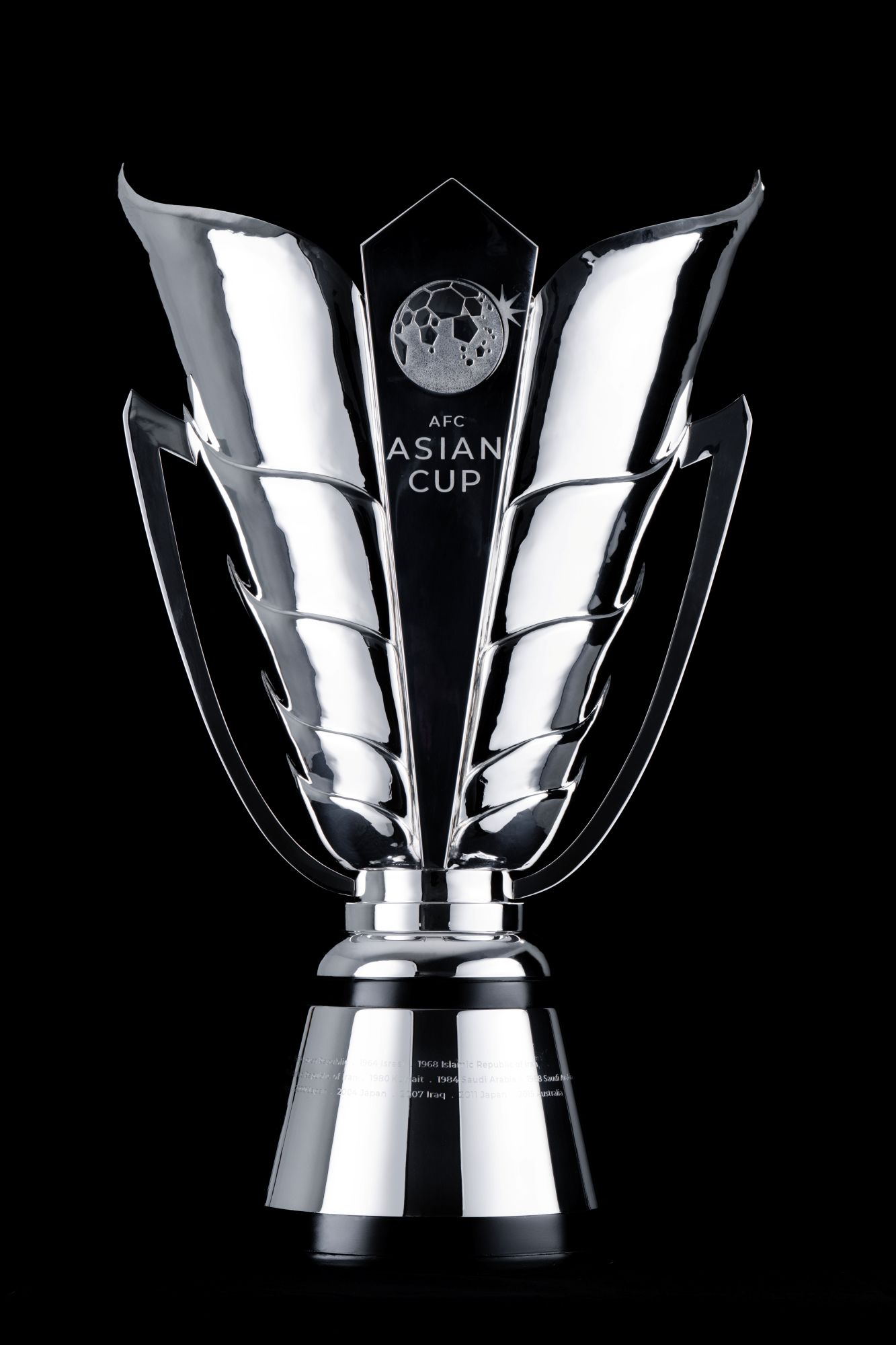
The AFC Asian Cup is the second-oldest continental football competition still being played today. Its trophy reflects both the rich history of the tournament and the craftsmanship behind its design.
Designed and handcrafted by Thomas Lyte, the trophy takes inspiration from the lotus flower, a symbol of peace, unity and harmony across Asia. Chased by hand to create its organic, flowing form, the trophy required more than 230 hours of hammering by our master craftspeople. The result is a design that balances contemporary elegance with traditional silversmithing.
The longevity and prestige of the AFC Asian Cup have made the trophy an instantly recognisable symbol of the competition, so much so that its silhouette forms part of the tournament’s official branding. That level of recognition reflects the trust and heritage the trophy has built, making it a fitting emblem for one of international football’s most enduring competitions.
Read more on our case study page dedicated to the AFC Asian Cup.
Few sporting trophies are as deeply woven into the fabric of their sport as the Stanley Cup. First awarded in 1893, it is the oldest professional sports trophy in North America and remains the ultimate symbol of achievement in ice hockey.
Originally crafted by the English silversmiths G. R. Collis & Co. in London, the trophy has become as famous for the traditions surrounding it as its distinctive design. Unlike many sporting trophies, the Stanley Cup itself is presented each season, with every championship-winning player, coach and staff member having their name engraved onto it.
Its iconic status has been built through more than a century of unforgettable moments, and it is now a living symbol of hockey’s history, tradition and enduring legacy.
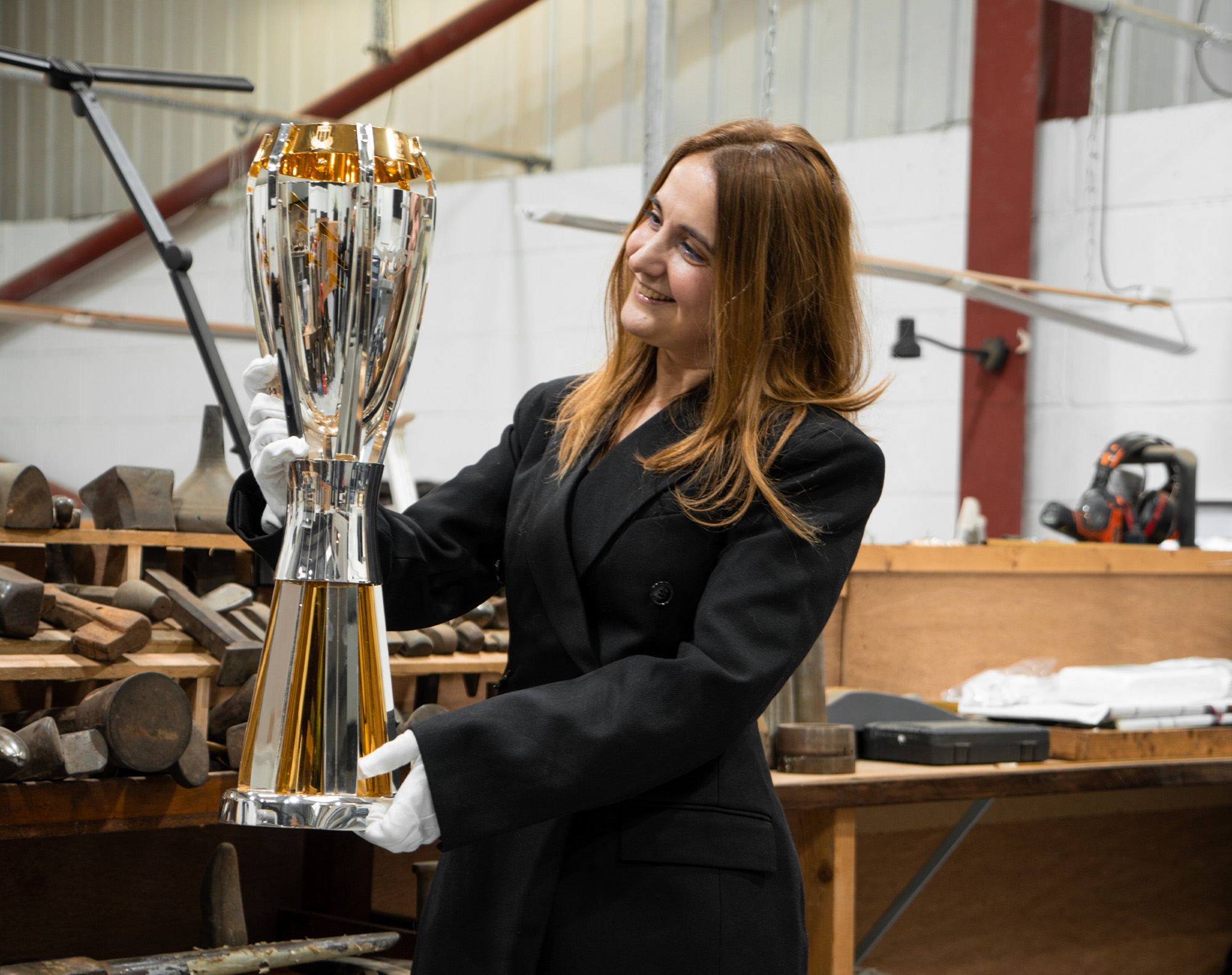
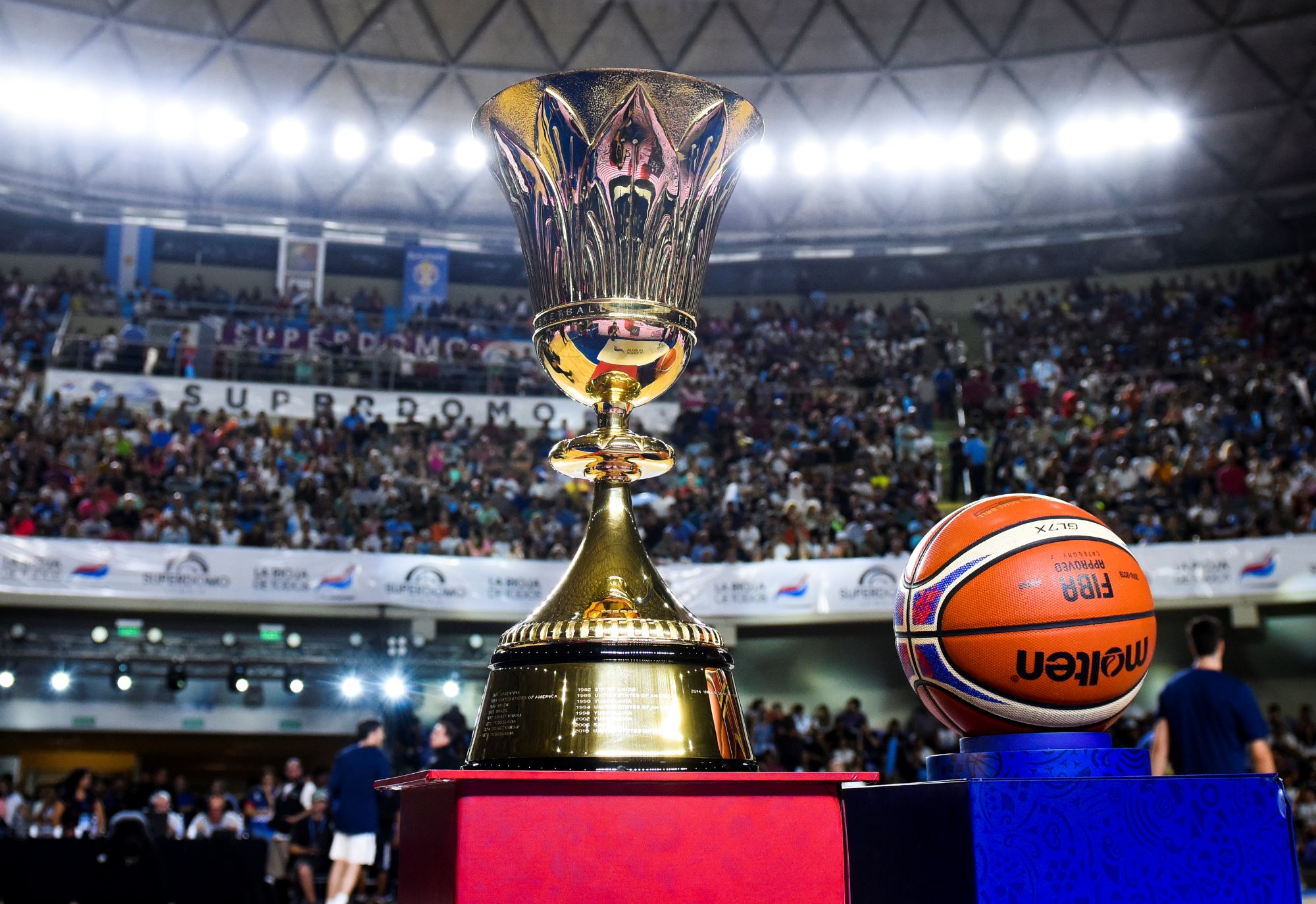
The FIBA Basketball World Cup Trophy demonstrates how contemporary craftsmanship can honour an established sporting legacy. Although introduced decades after the tournament began in 1950, the trophy was handcrafted by Thomas Lyte and designed in partnership with Radiant Studios to carry forward the rich history and prestige that the competition had already established.
Inspired by the Egyptian lotus flower, the trophy was hand-spun from a single sheet of hallmarked sterling silver before being gold-plated. Traditional chasing techniques create the intricate detailing across the goblet and base, while the plinth is engraved with FIBA’s original name as a tribute to the competition’s history.
Its iconic status comes from the way it balances tradition with innovation. Its classical aesthetic and almost Greco-Roman silhouette give the trophy a timeless quality, while its meticulous craftsmanship ensures it is a prize worthy of crowning the world’s best.
Read more on our case study page dedicated to the FIBA Basketball World Cup.
It is clear there is no single formula for creating an iconic trophy. Some earn their status through generations of history, others through unforgettable moments and traditions, and many through exceptional craftsmanship and meaningful design.
What unites them all is their ability to represent something greater than a prize. They become symbols of ambition, achievement and legacy, carrying the stories and emotions of champions and the identity of the competitions they represent. For Thomas Lyte, that is what makes trophy making so unique.
Read about our press mentions and awards for the project
We have selected a number of case studies that demonstrate the broad range of our capabilities designing and making in precious metals.