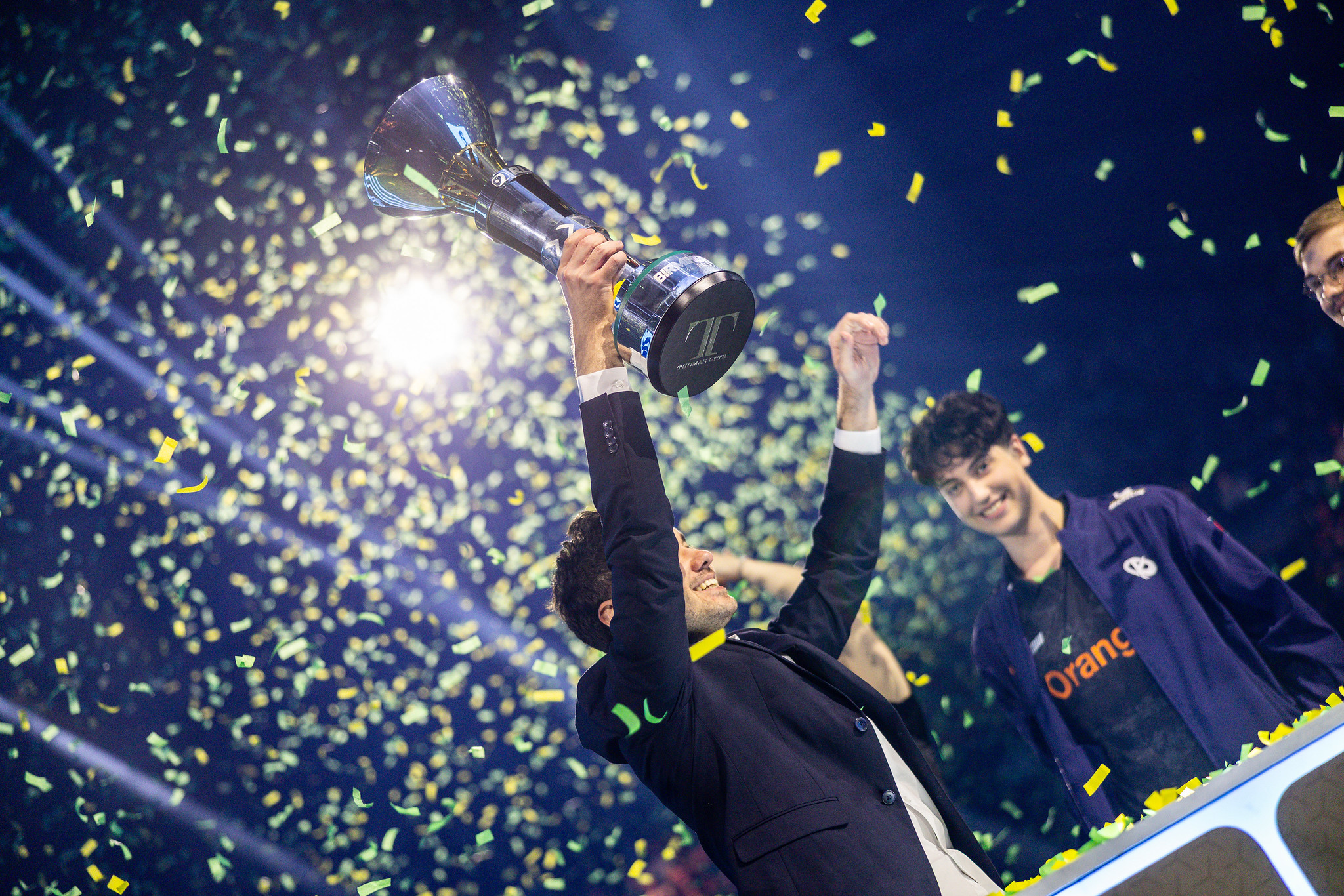
This weekend, as the LEC Spring Split reaches its conclusion, Liam Malorey-Vibert, Head of Marketing at Thomas Lyte, reflects on an interesting and influential area of our work at Thomas Lyte: the role of trophies in the rise of modern esports. For this, Liam argues that the rebranding of the LEC in 2019 represented a seminal moment.
For many people outside the industry, esports can still feel like a relatively new phenomenon. But for those who have followed its growth closely, the last decade and a half has been extraordinary. Competitive gaming has moved from online communities and specialist venues into arenas, global broadcasts, major sponsorships and international sporting conversation. (In Great Britain, the BBC covered a story on Chess at the Esports World Cup last summer!) Along the way, as noticed, by myself and my colleagues at Thomas Lyte: esports began to develop the symbols, rituals and objects that help turn competition into culture.
Trophies have played a quiet but powerful role in that transformation. With brands turning towards harnessing perpetual icons.
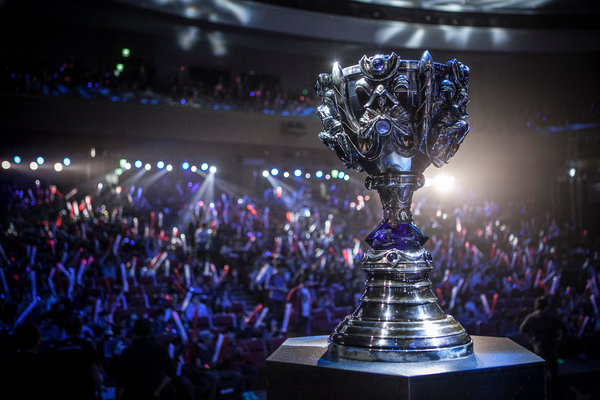
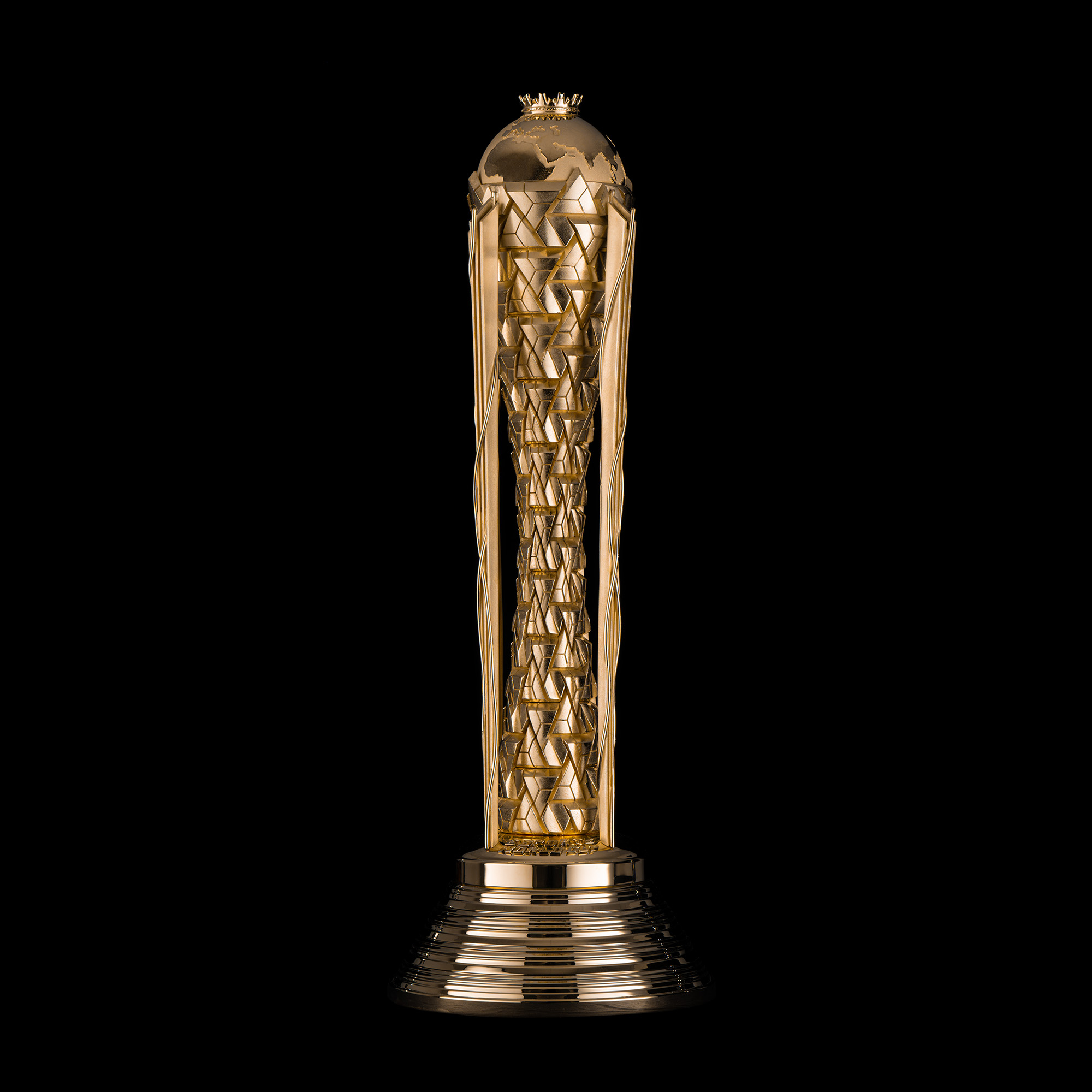
In 2012, Thomas Lyte designed and made the original League of Legends Summoner’s Cup for the Season Two World Championship. It is now remembered as one of the first truly major trophies in esports, created for one of the defining early global finals of the modern esports era. For those interested in the history of the industry, the Netflix documentary on League of Legends offers a reminder of just how quickly the game, the community and the competitive scene were growing at that moment.
Looking back, the Summoner’s Cup represented more than an award. It was a statement of intent. It told players, fans, sponsors and broadcasters that this was not a temporary phenomenon. This was a world championship, and it deserved an object with provenance, presence and permanence.
That permanence is still visible today. League of Legends Worlds has become one of the defining cultural moments in global esports, with each edition carrying its own visual identity, competitive narrative and musical signature. The fact that internationally recognised artists now contribute to its soundtrack only reinforces the scale of what Worlds has become: not just a tournament, but a recurring cultural event.
Other esports projects followed for Thomas Lyte. Some were smaller, some regional, and some have inevitably been lost to the sands of time, replaced by the next generation of brands as tournaments quickly evolved. We worked across League of Legends in Europe and the USA, sports simulation and other competitive gaming projects that each played their part in an industry taking root across every continent. Not all of those trophies are remembered in the same way as the Summoner’s Cup, but they were part of a wider shift, esports learning how to present itself with the confidence of established sport.
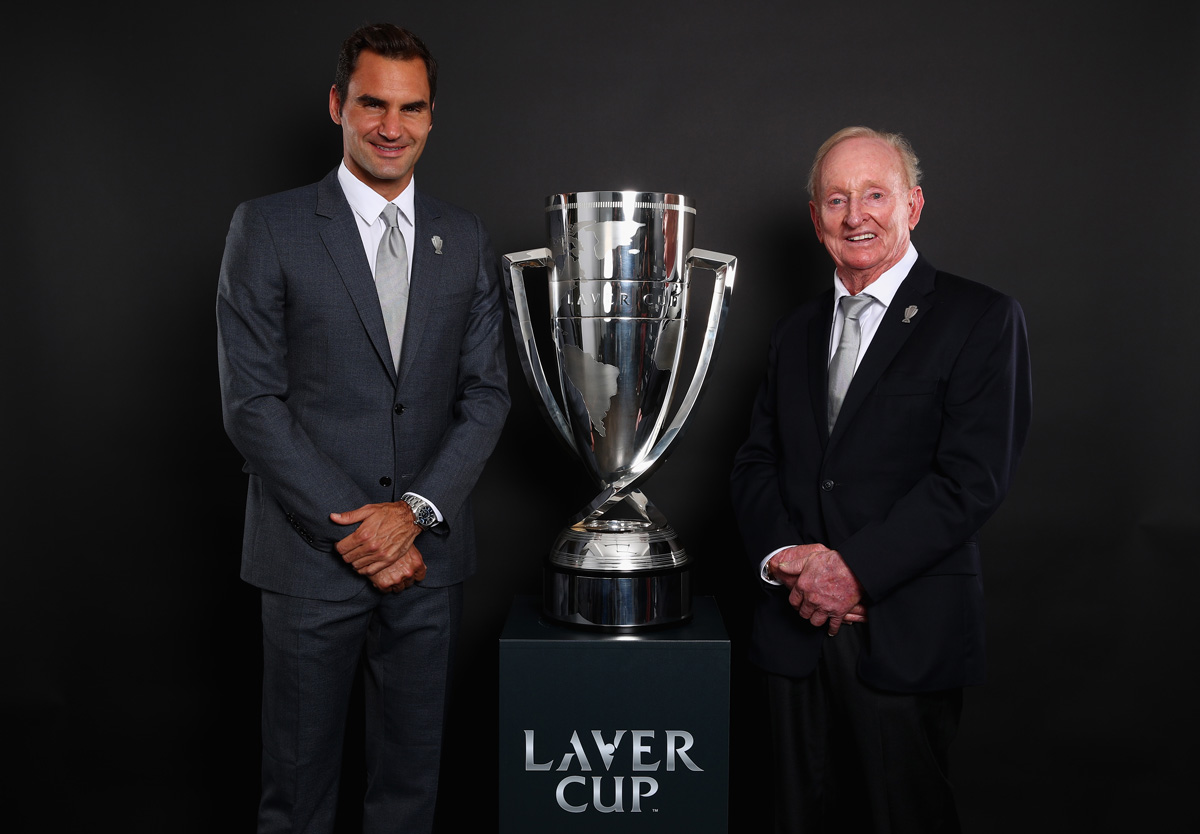
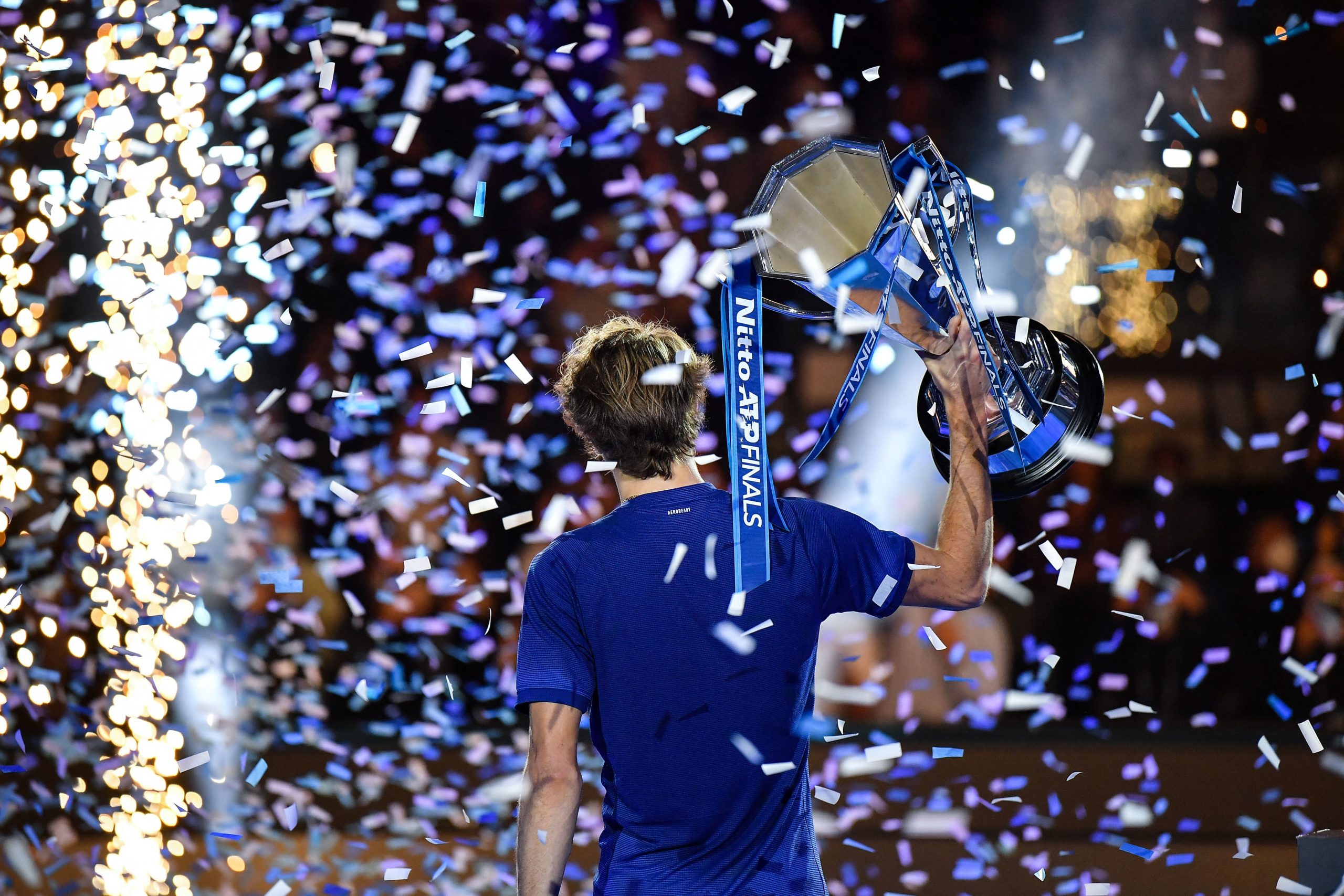
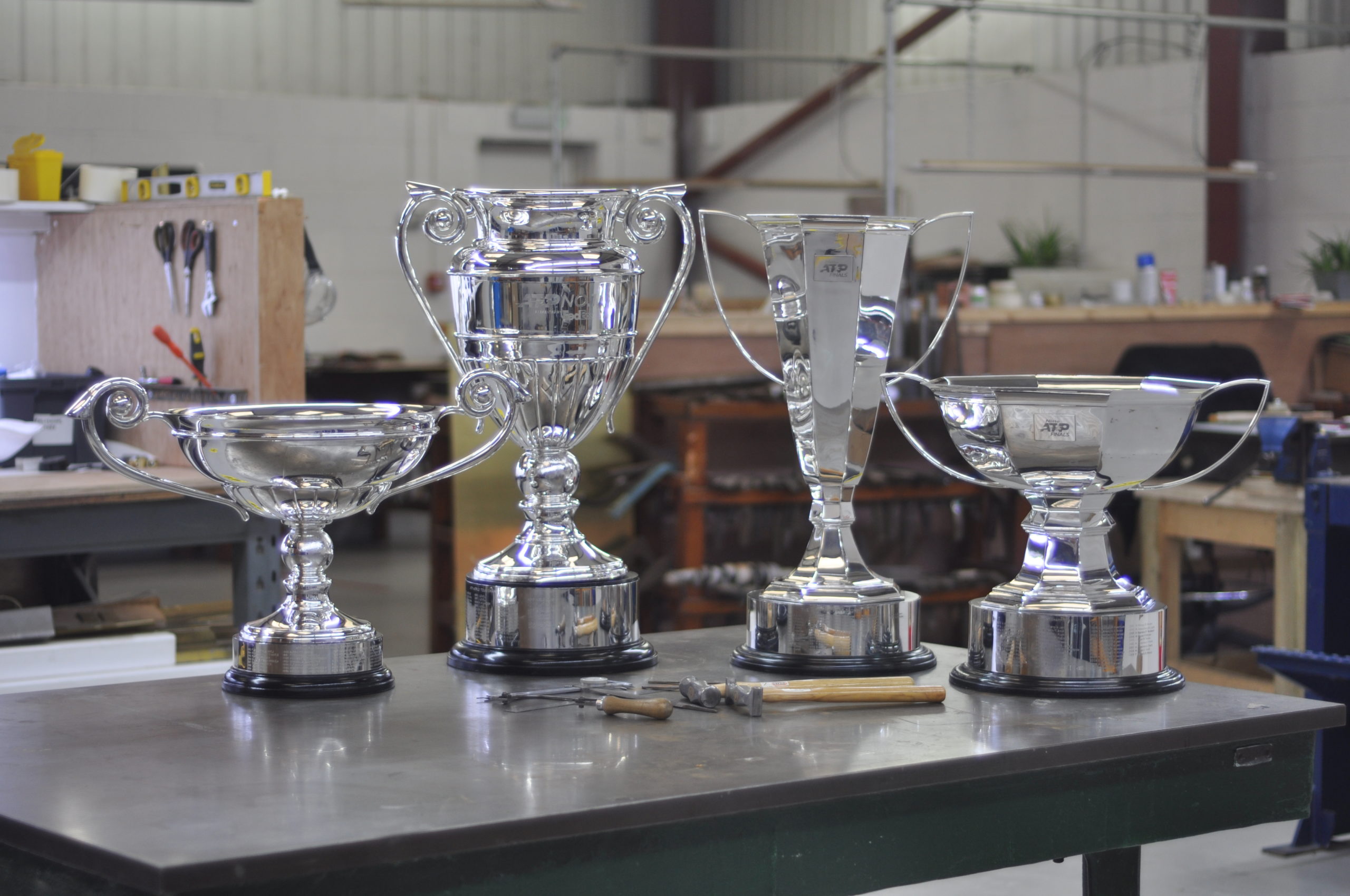
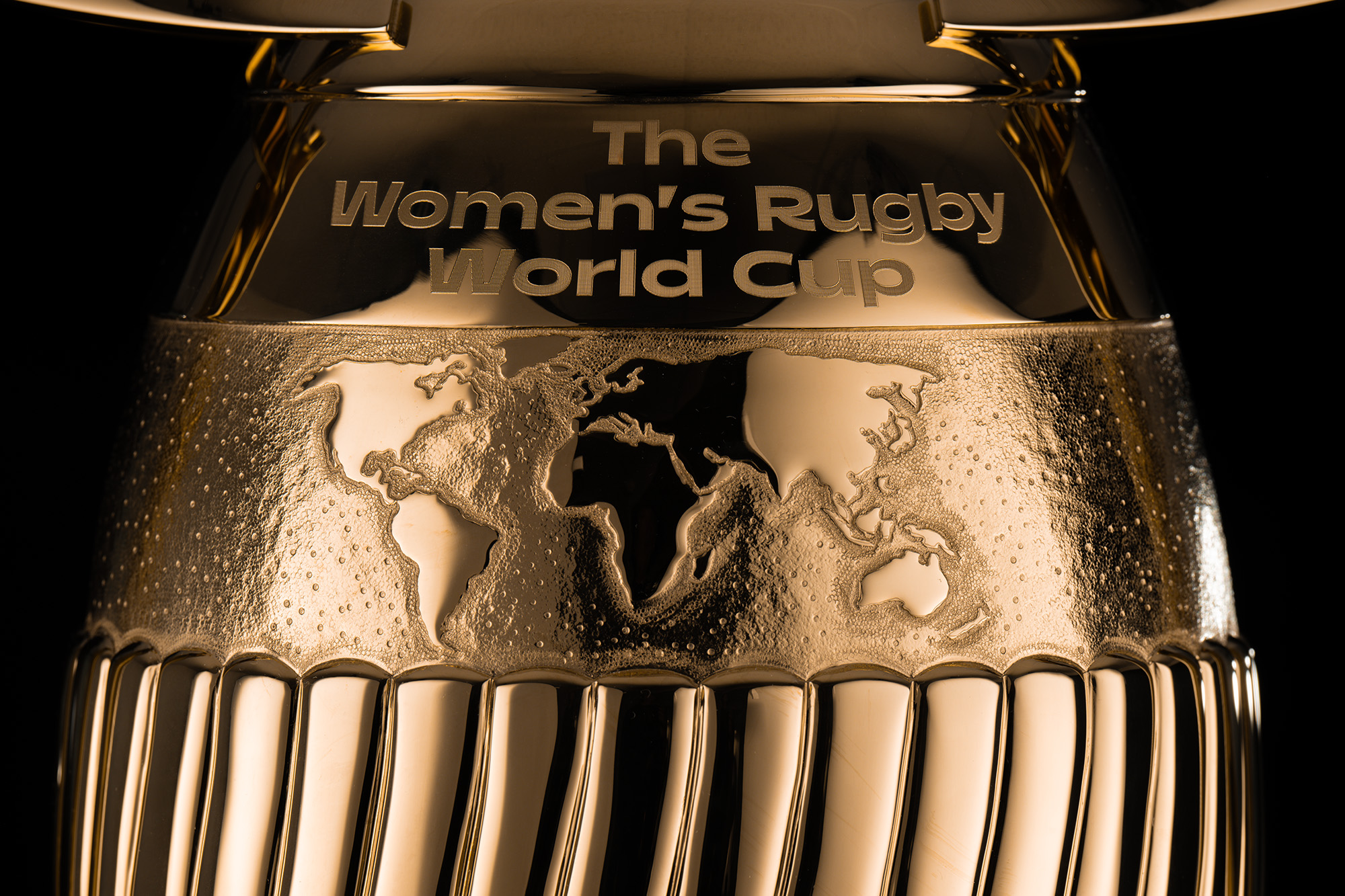
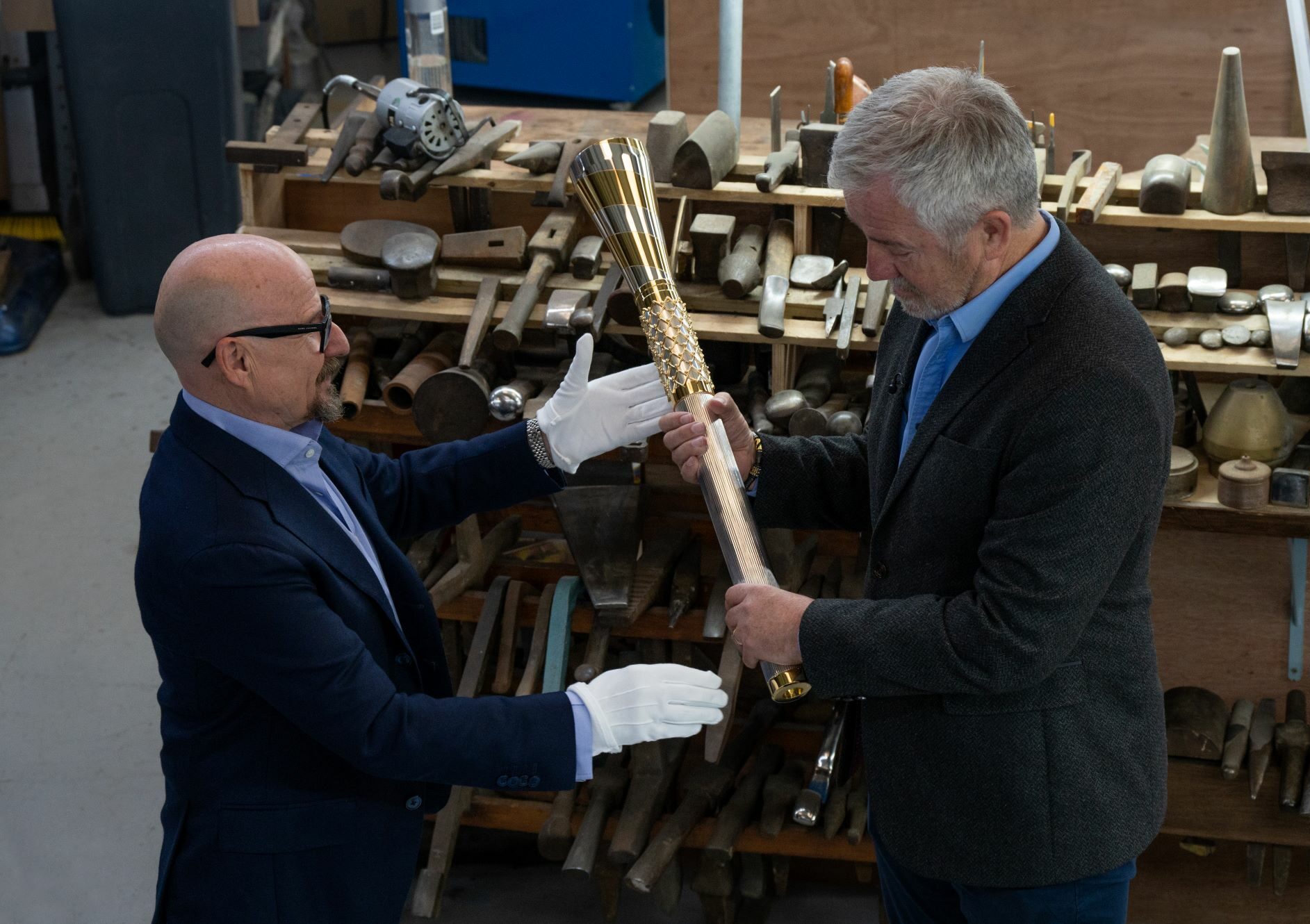
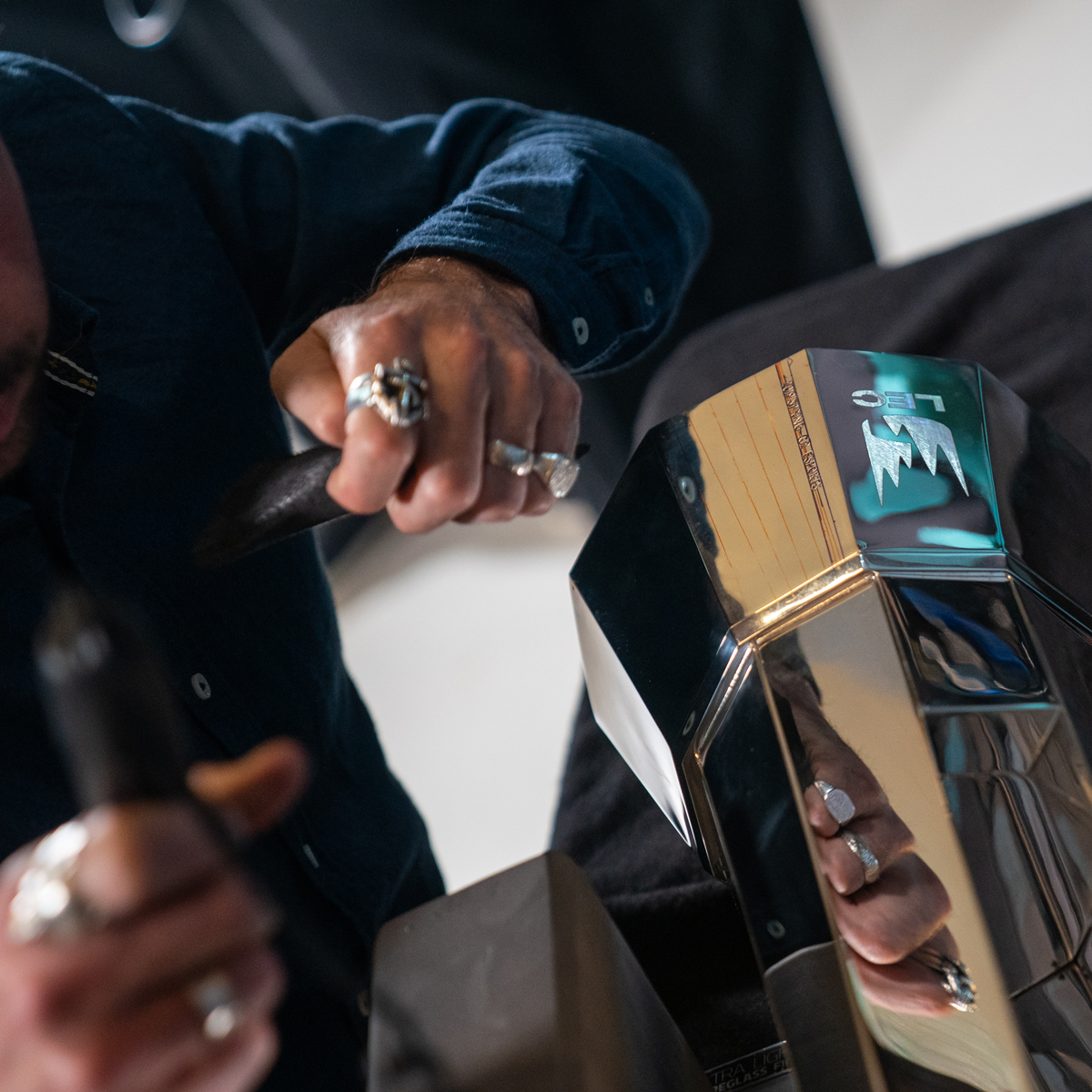
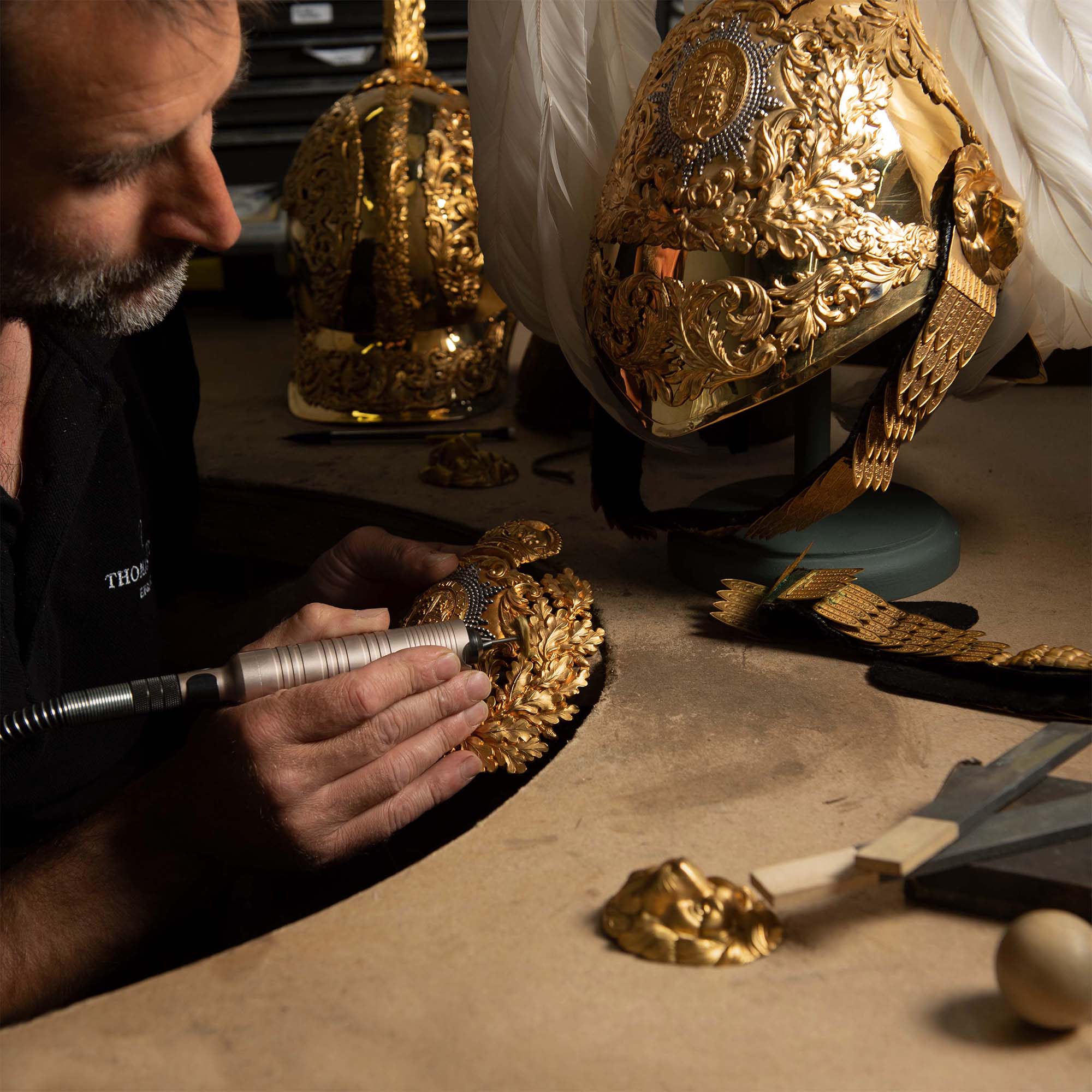
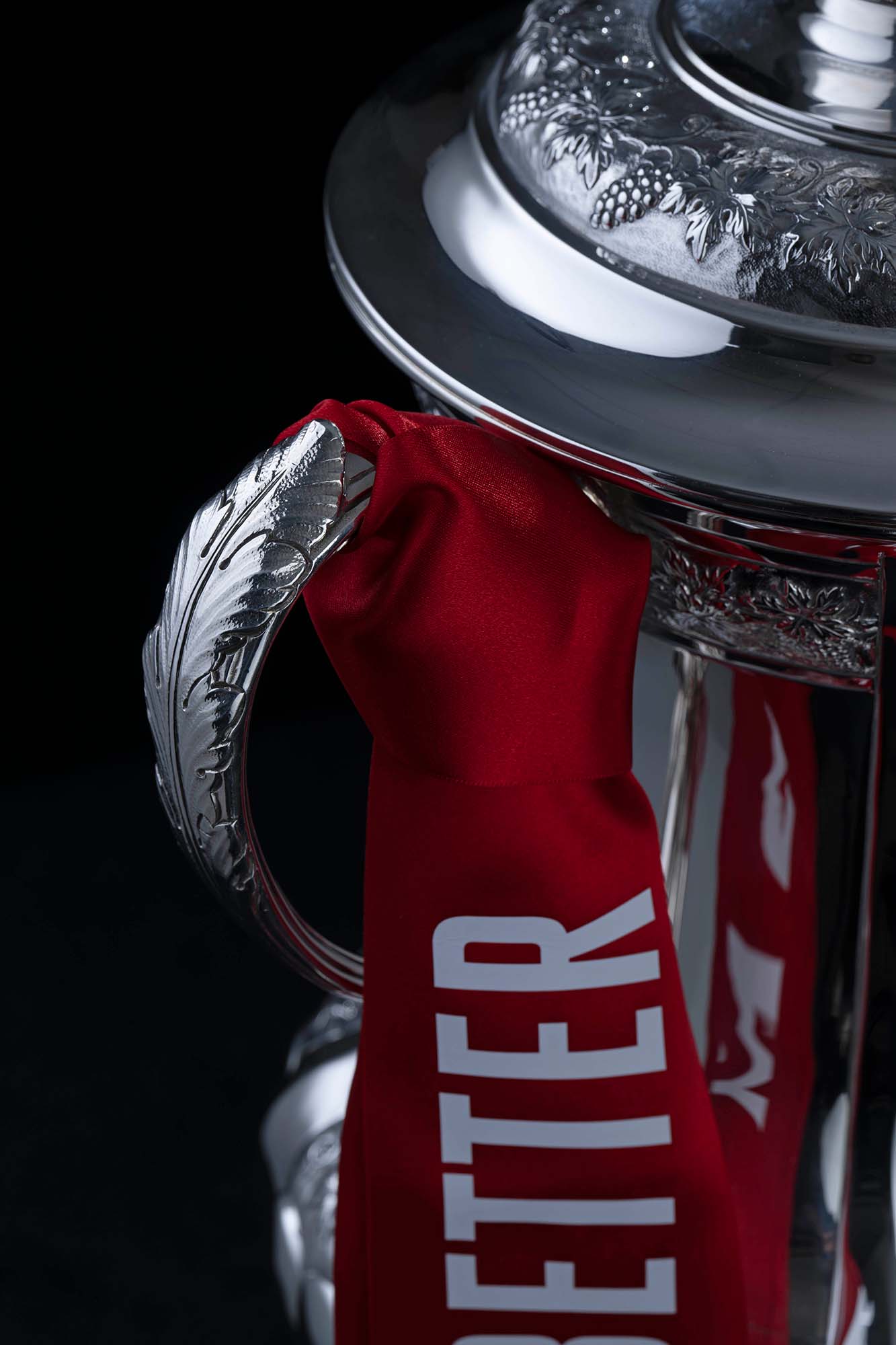
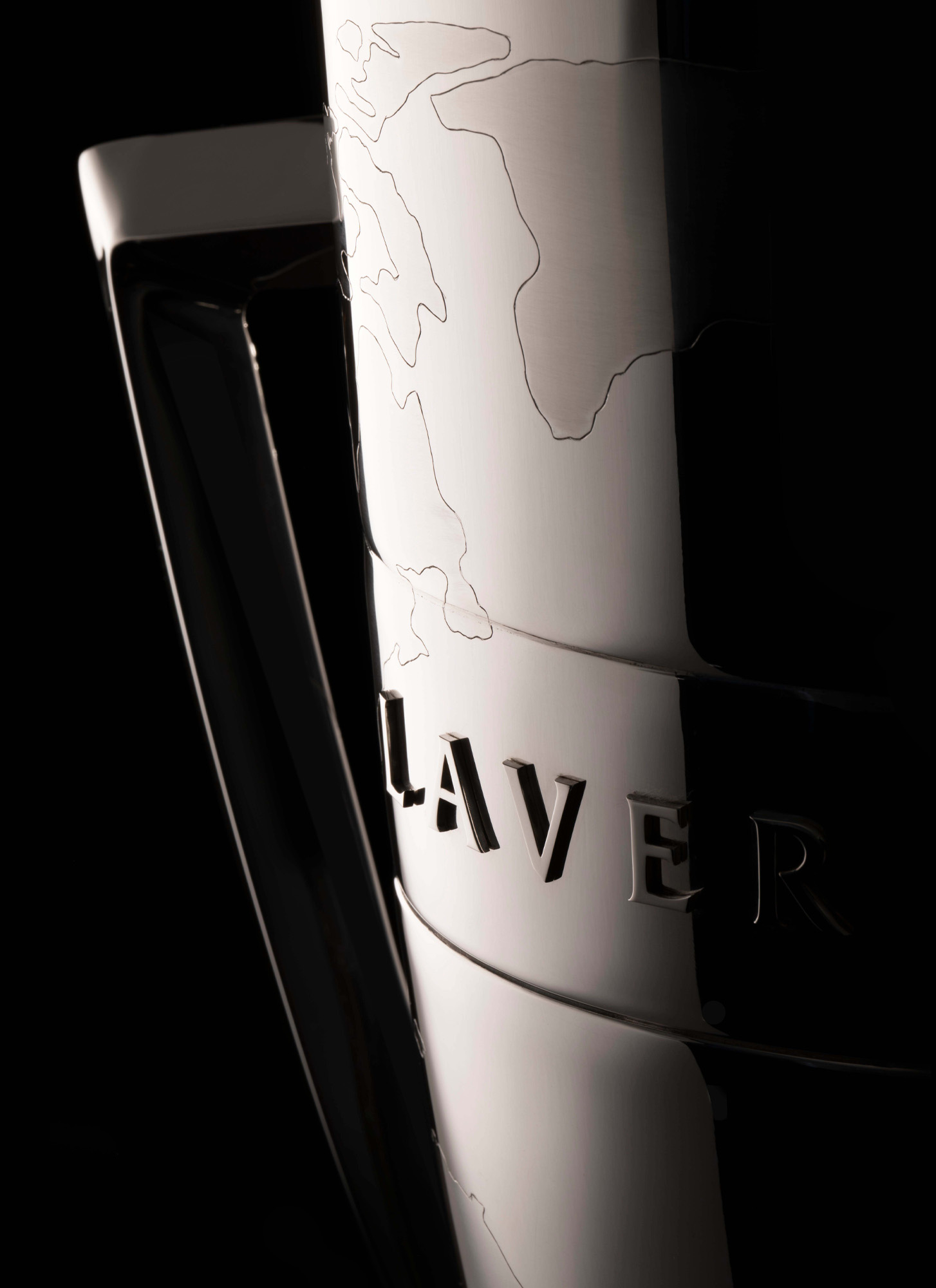
Since our founding in 2007, Thomas Lyte has built its reputation as a world-class trophy maker. Our London workshops are home to master goldsmiths and silversmiths who have designed, made and restored some of the most recognisable trophies in global sport. The Emirates FA Cup, the Rugby World Cup, The Hundred, Laver Cup, the ATP Finals and many others have passed through our hands. Our Royal Warrant reflects the standards of craft and service expected from our team.
From that vantage point, for me, as a Marketing Manager working for a supplier of the industry, esports has felt like a sporting culture glued together by fans, building its institutions in real time, driven by passionate multi-talented people at all levels of an organisation.
In 2019, a couple of years into my journey with Thomas Lyte, we became part of one of the clearest examples of that coming-of-age moment. It was a role we were proud to play then, and one we continue to play today with valued partners and clients across global esports.
That is why the LEC trophy project was so fascinating to me and to my colleagues.
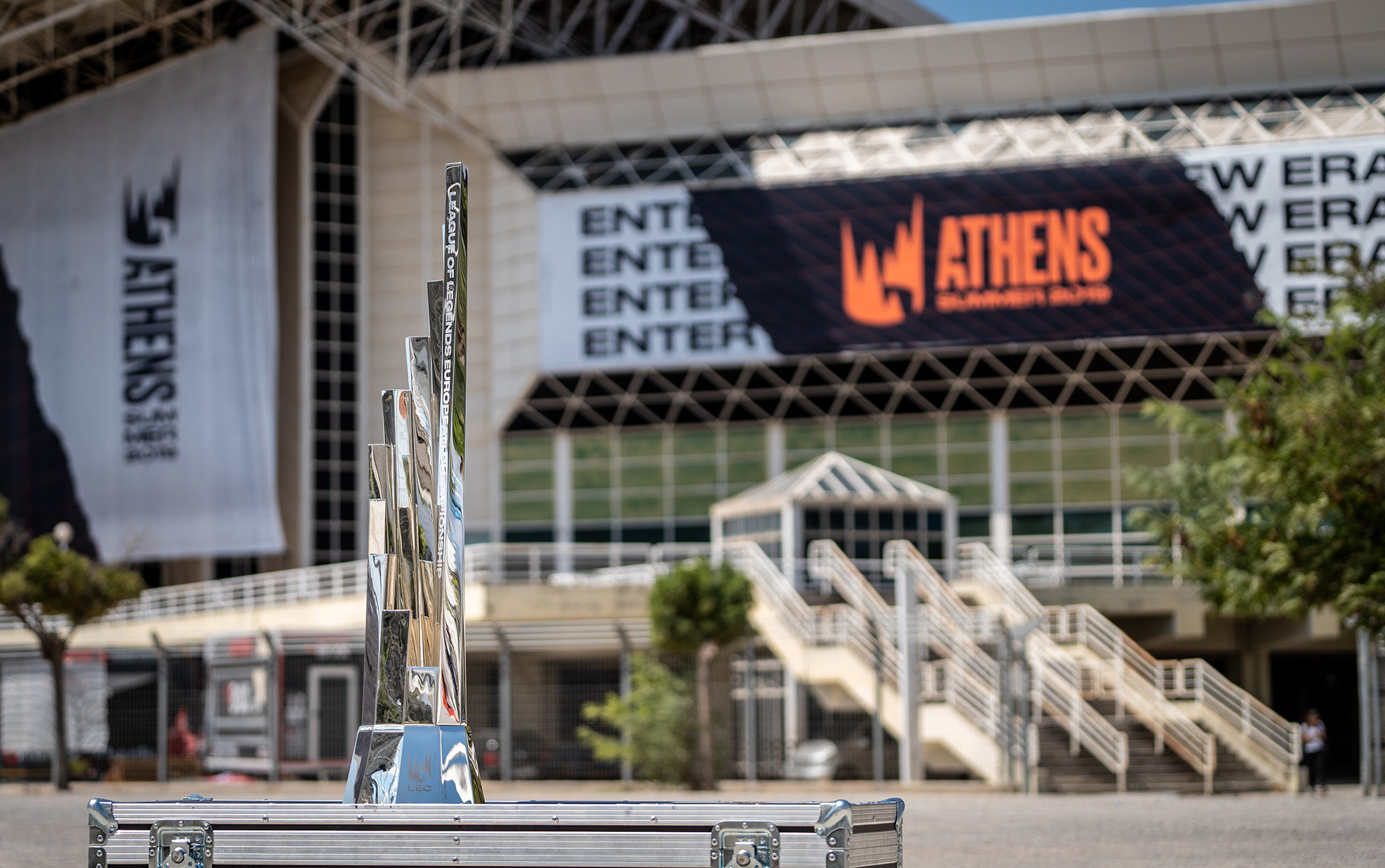
In 2019, the European League of Legends Championship Series was relaunched as the LEC: the League of Legends European Championship, more recently evolving into today’s League of Legends EMEA Championship following the integration of the MENA region. This was not simply a name change. It was a full repositioning to become one of the most important regional competitions in global esports. The broadcast identity, tone, visual language and competitive structure all felt sharper, and more ambitious.
The trophy was central to that ambition.
In many sports, the most iconic logos and identities are deeply connected to the trophy itself. Sometimes the trophy leads the brand, rather than the other way around. The silhouette, the form, the gesture of lifting it: these are the images that become embedded in the memory of fans. They are what players dream about. They are what broadcasters return to. They are what sponsors want to stand beside.
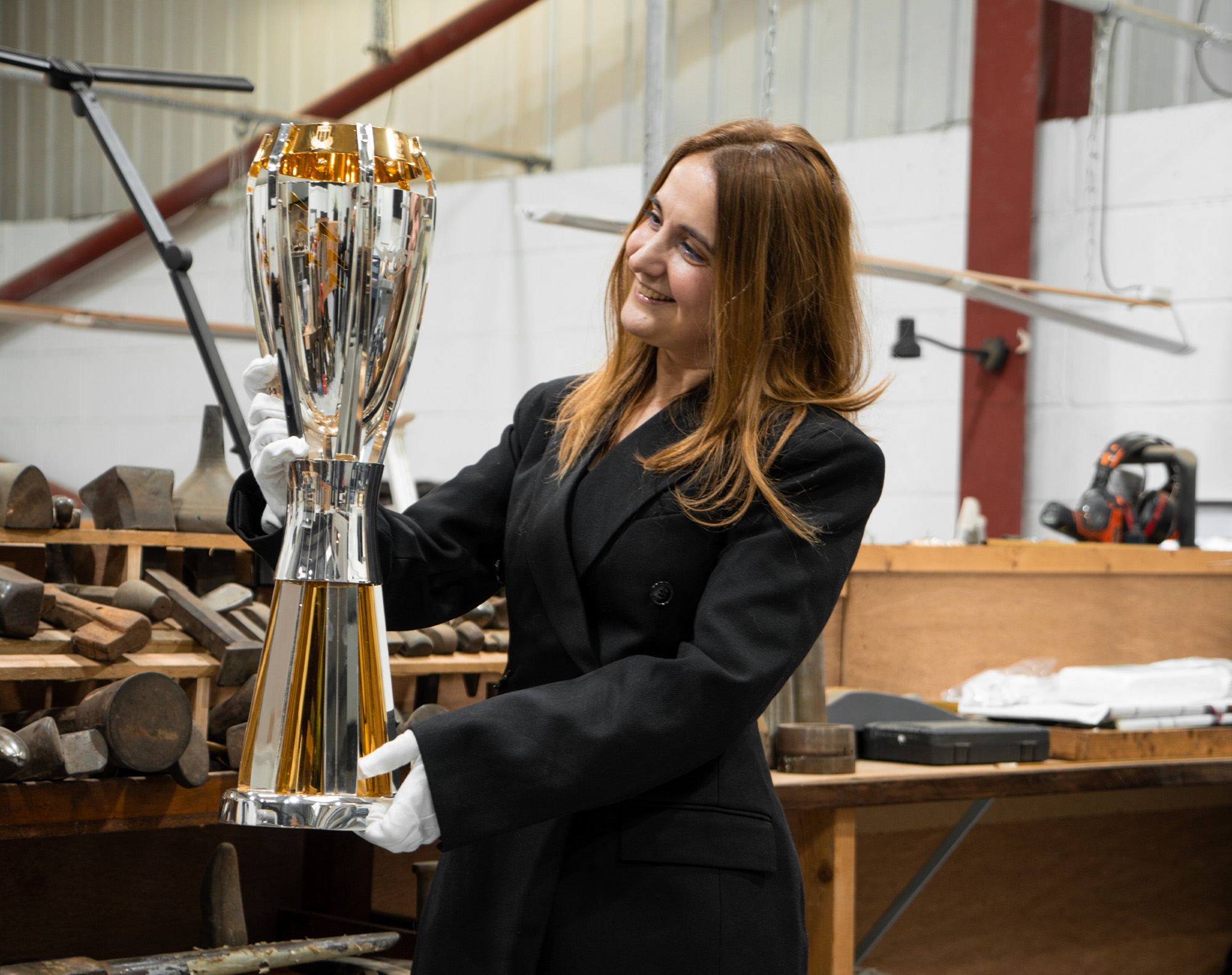
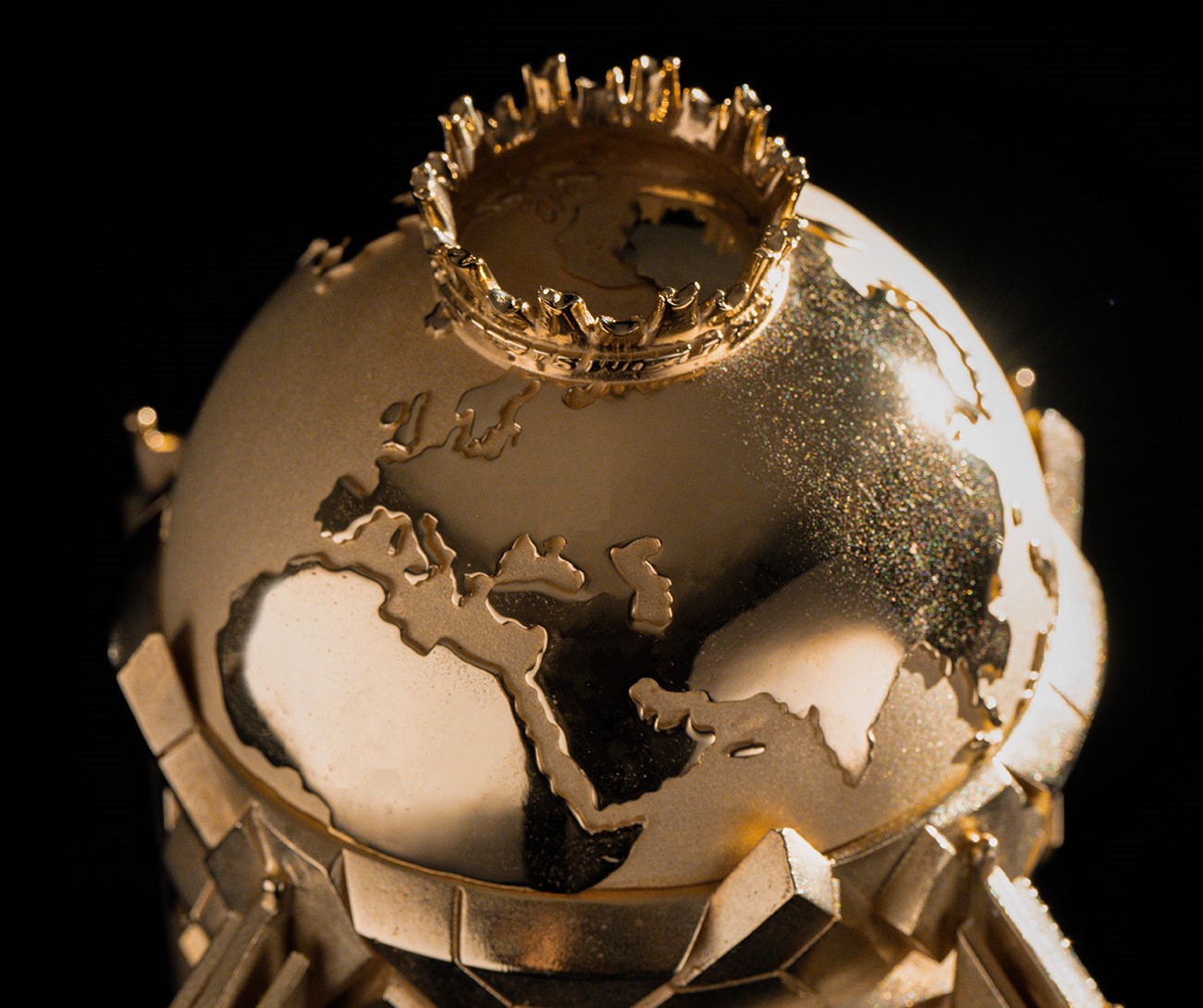
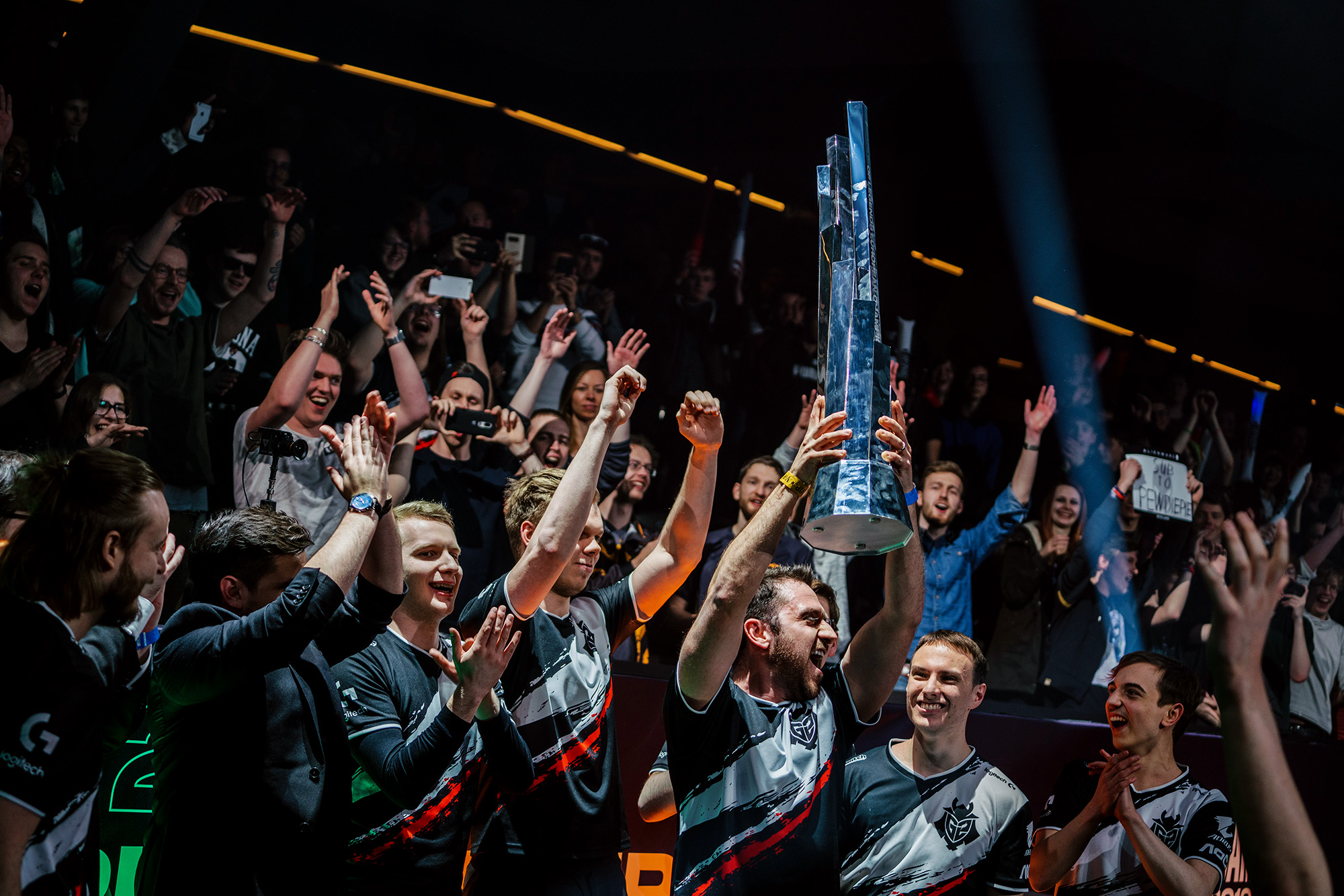
The LEC approached Thomas Lyte to help realise a vision for a trophy that could sit at the heart of this new era. The result was contemporary, architectural and unmistakably esports. Its ring of towers forms a crown, while each rising tower represents the teams competing to reach the top. It is a simple idea, but a strong one that resonates.
That is often where the best trophy design lives: in the space between symbolism and simplicity.
The LEC trophy does not try to imitate traditional sport. Instead, it reflects the confidence of the world of esports being crafted by Riot Games and their contemporaries: digital, competitive, sharp-edged and broadcast-ready. Yet it still carries the qualities that every great trophy needs: hierarchy, drama, recognisability and a clear sense of achievement… perpetual silverware that carries the names of it’s champions, past and present.
For me, that is the lesson elite esports understood faster than many people, even some within the industry, realised. Prestige is built through standards, consistency and symbols that communities choose to believe in.
A trophy cannot create a great competition on its own. But when a competition is already building momentum, a trophy can give that momentum a physical form. It can say: this matters. This is worth winning. This moment will be remembered.
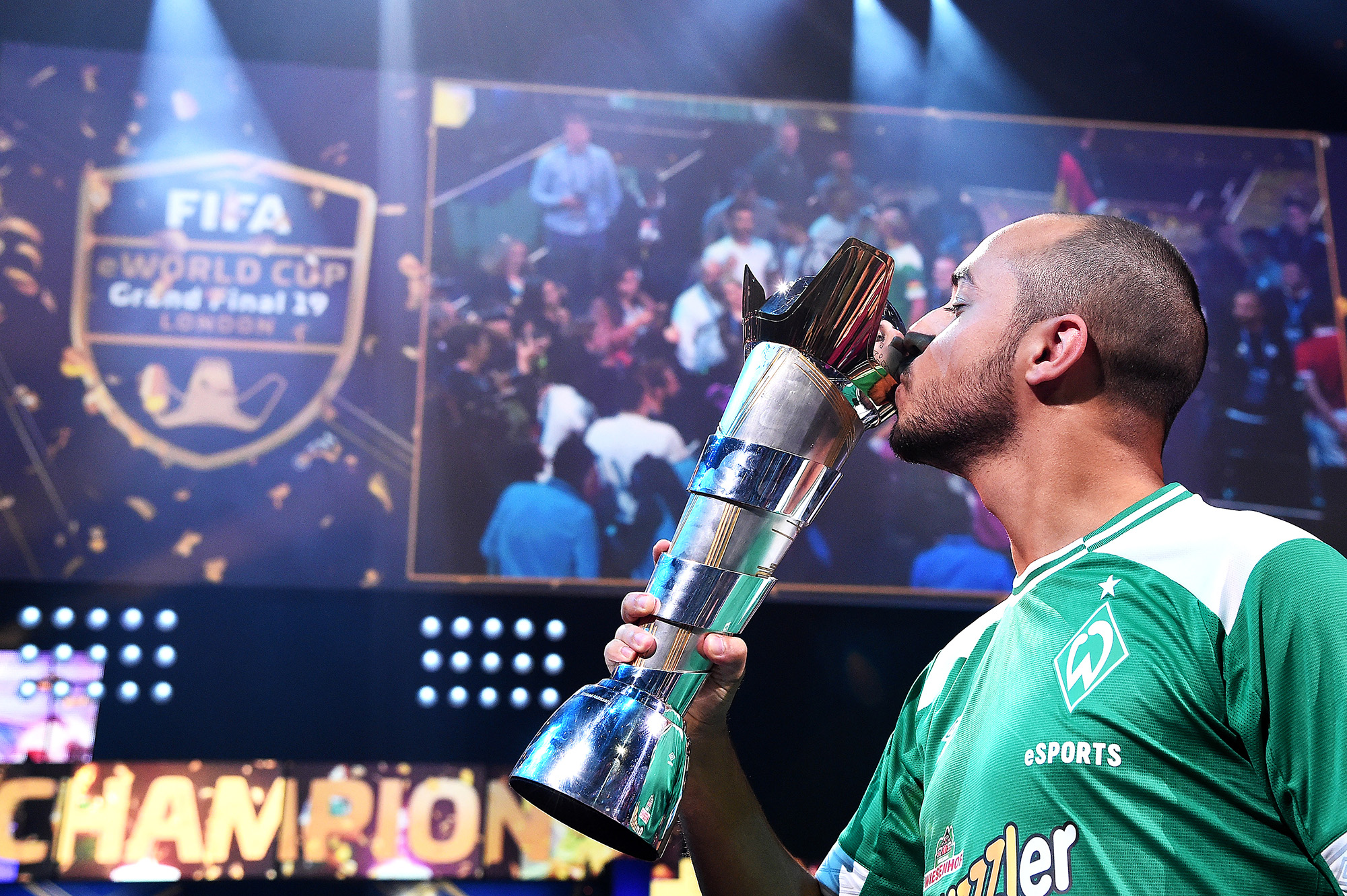
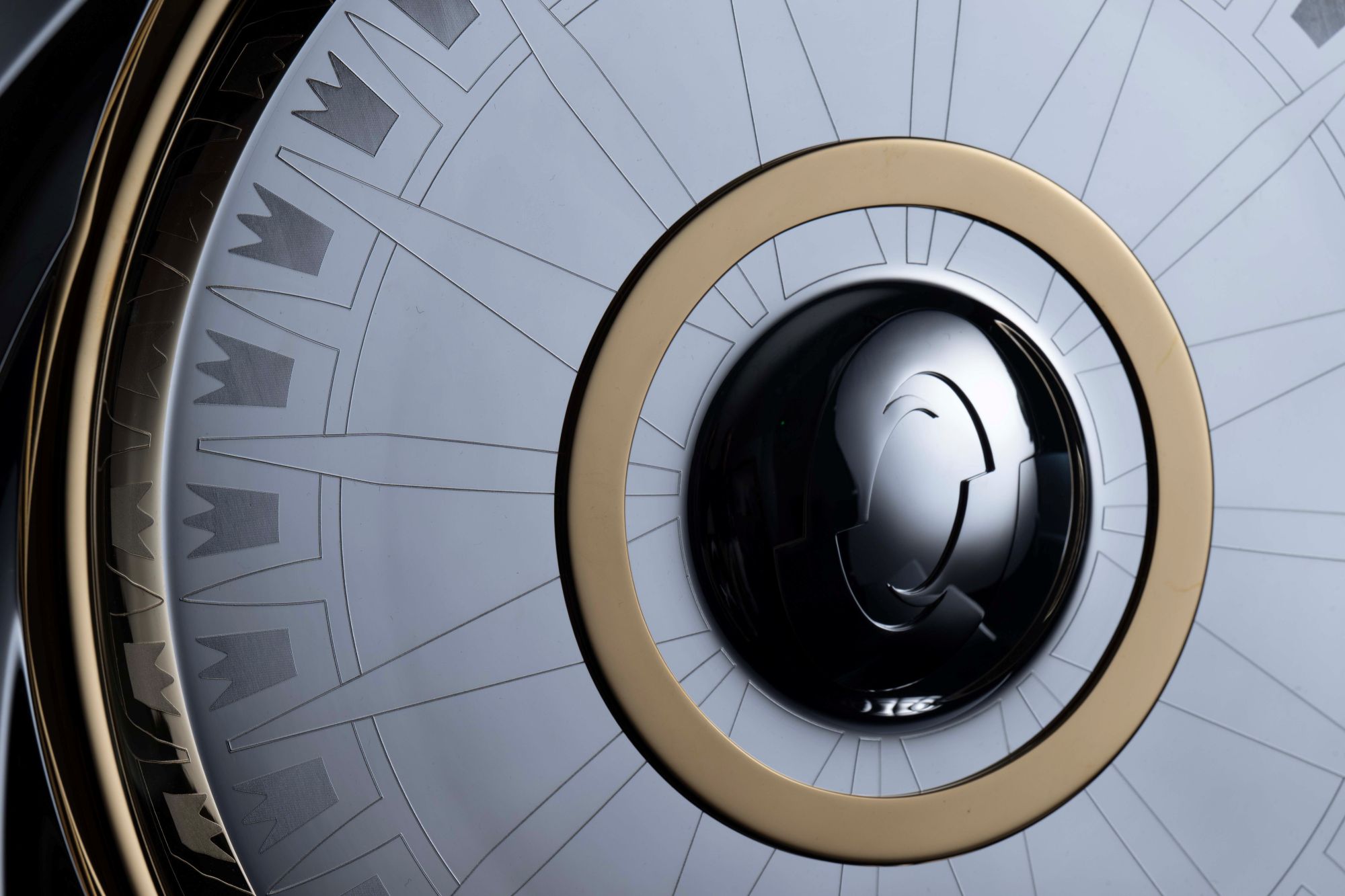
That is the role Thomas Lyte continues to play with leading esports rightsholders: helping them embed an icon into their brand that becomes part of their identity. Recent projects, including the Esports World Cup, the Fortnite Global Championship and the Rocket League World Championship, show how rapidly esports silverware is evolving, and how seriously the industry now treats the symbols of victory.
As esports continues to mature, it will keep creating traditions of its own. Some will come from broadcast. Some from players. Some from fans. And some from the objects that champions lift at the end of a season. Like all traditions, they will develop, adapt and, in some cases, be replaced. Others will endure and become part of the visual language of the sport itself.
At Thomas Lyte, we are proud to have played a part in that story, from the original Summoner’s Cup, the LEC trophy, the Esports World Cup, to our exciting partnership with BLAST, Epic Games and the FNCS and RLCS. Our work continues across global esports, with more announcements being prepared for later this year.
For a company best known for handcrafted silverware, Royal commissions, and the design, making and restoration of major sporting trophies, esports has been an exciting reminder that legacy is not only inherited from the past. It is made in the present.
And for the next generation of esports stars, what a remarkable legacy awaits.
That belief will also be reflected in our support of the Esports Leaders Honours 2025-26, taking place during Global Esports Industry Week in Cologne on 19 June. Thomas Lyte is proud to be sponsoring and creating the Esports Leader award, celebrating the visionaries driving growth, excellence and long-term value across the global esports industry. For us, it is another opportunity to recognise not only the players and teams who lift trophies, but also the leaders helping to build the future they will inherit.
Read about our press mentions and awards for the project
We have selected a number of case studies that demonstrate the broad range of our capabilities designing and making in precious metals.