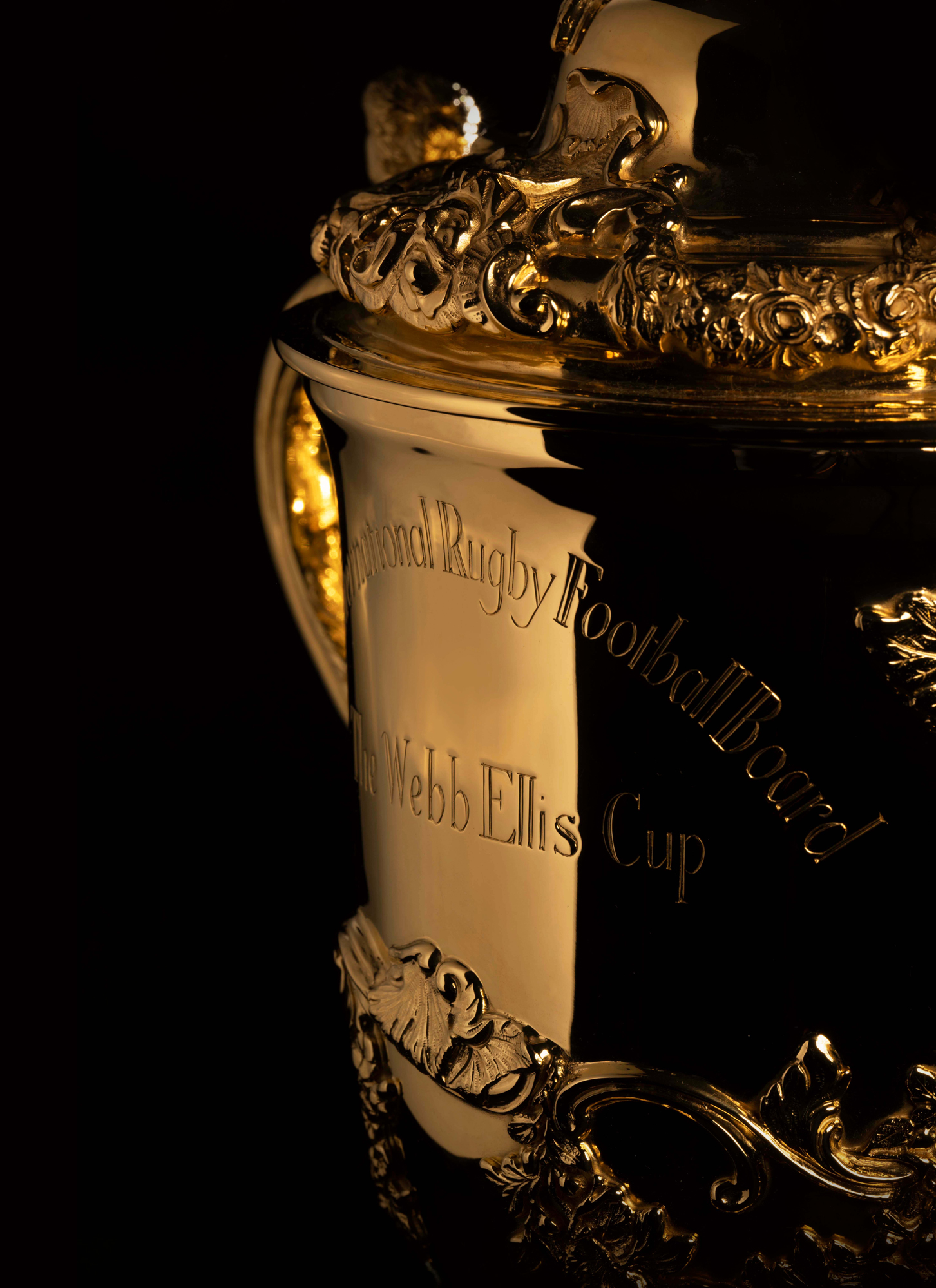
When someone first encounters a beautifully crafted silver object, their attention is naturally drawn to its form, its polish and the story it represents.
What often goes unnoticed are the countless decisions, techniques and years of expertise hidden beneath its surface. These are the details that rarely reveal themselves at first glance, yet they define the difference between something that has simply been made and something that has been truly crafted.
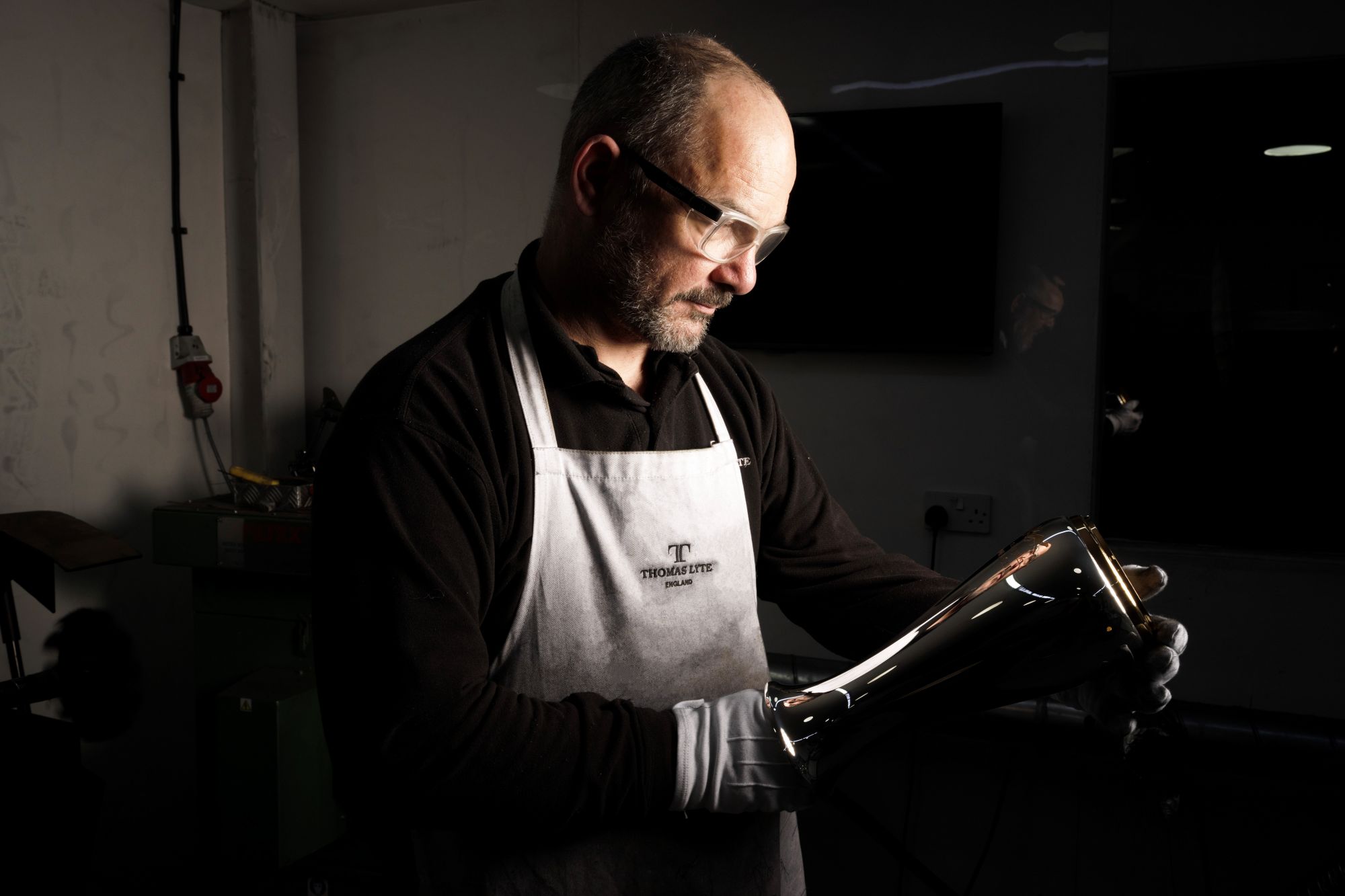
To a master silversmith and goldsmith at Thomas Lyte, those details are impossible to ignore.
Whether you are creating a trophy, a candelabrum or a contemporary sculptural commission, every piece must feel right in the hand and on display. Balance influences everything from the material thickness to proportions and construction.
It is not simply about weight, but how that weight is distributed. A piece that appears elegant must also feel stable, comfortable and effortless to handle, whether it is lifted, carried or admired in its setting.
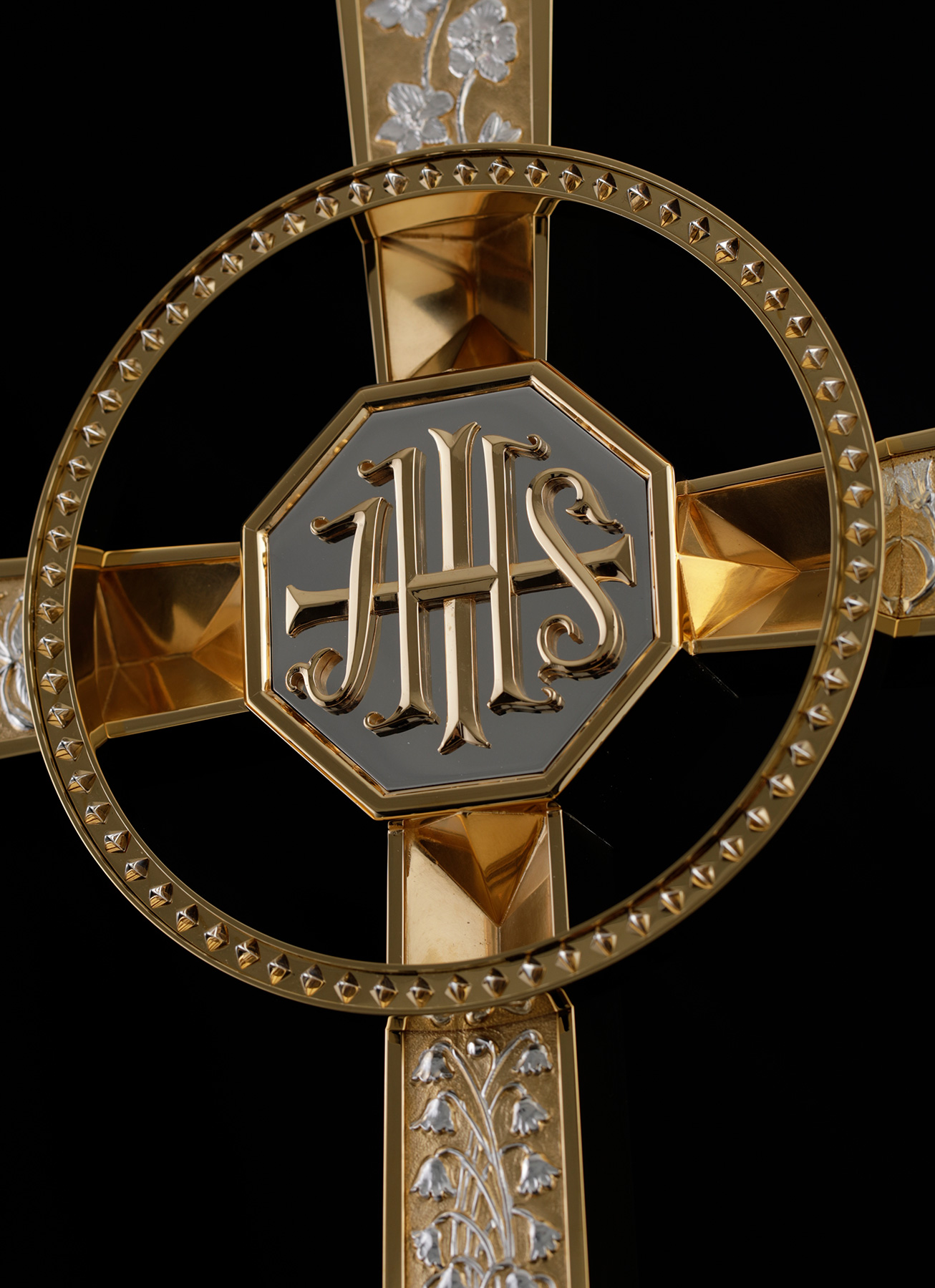
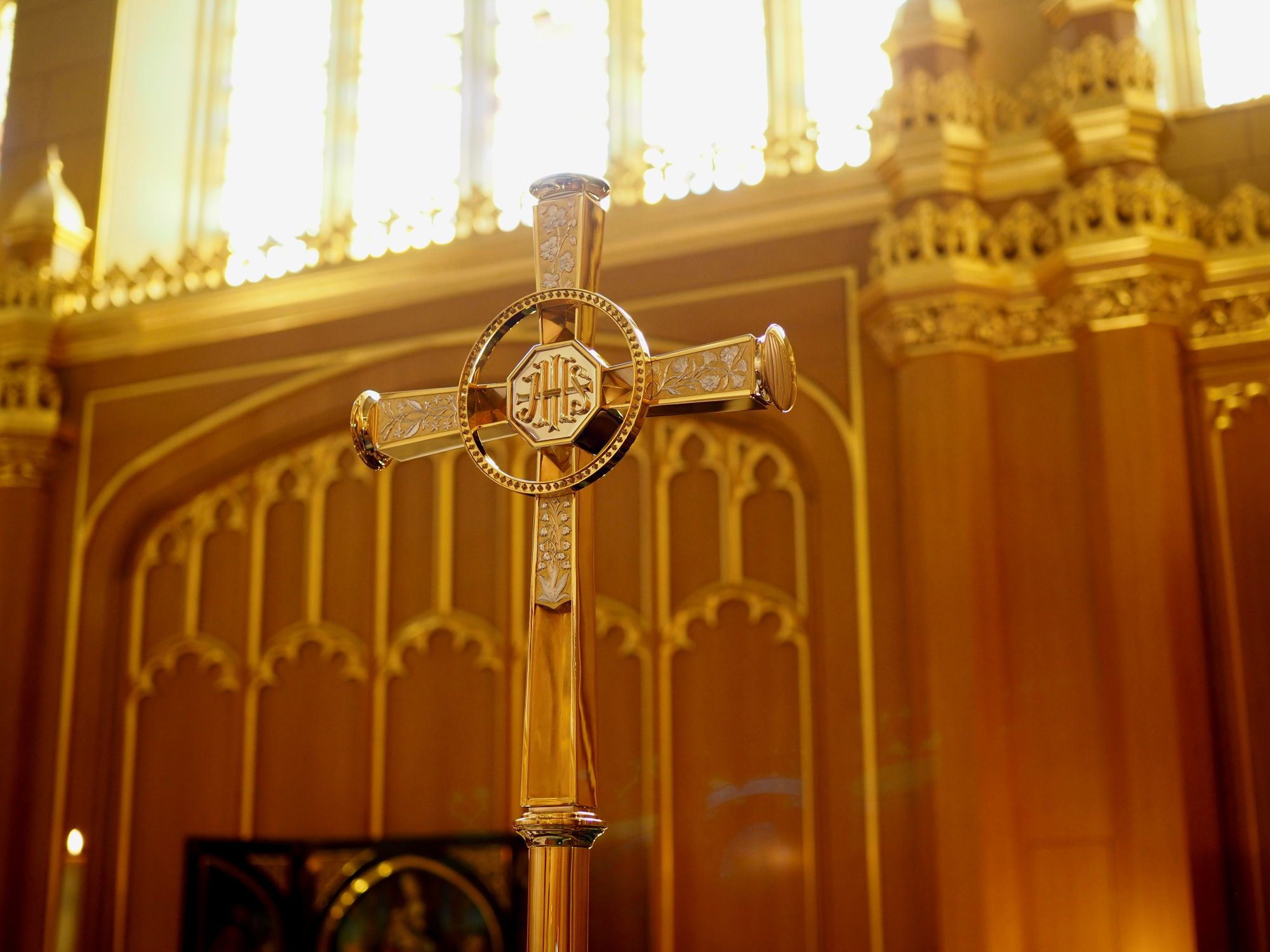
When crafting the Queen Elizabeth II Platinum Jubilee Processional Cross, Thomas Lyte’s master silversmiths began with model making and trials to ensure the finished piece would be sturdy, balanced and strong. Handcrafted from 2.8 kilograms of sterling silver, from an original four-kilogram silver bullion, every decision was made with the knowledge that the cross would be carried in ceremonial processions for generations to come.
These decisions are made long before the final polish is applied. They are rarely visible to anyone outside the workshop, yet they are fundamental to creating an object that feels as exceptional as it looks.
Read more on our case study page dedicated to the Platinum Jubilee Processional Cross.
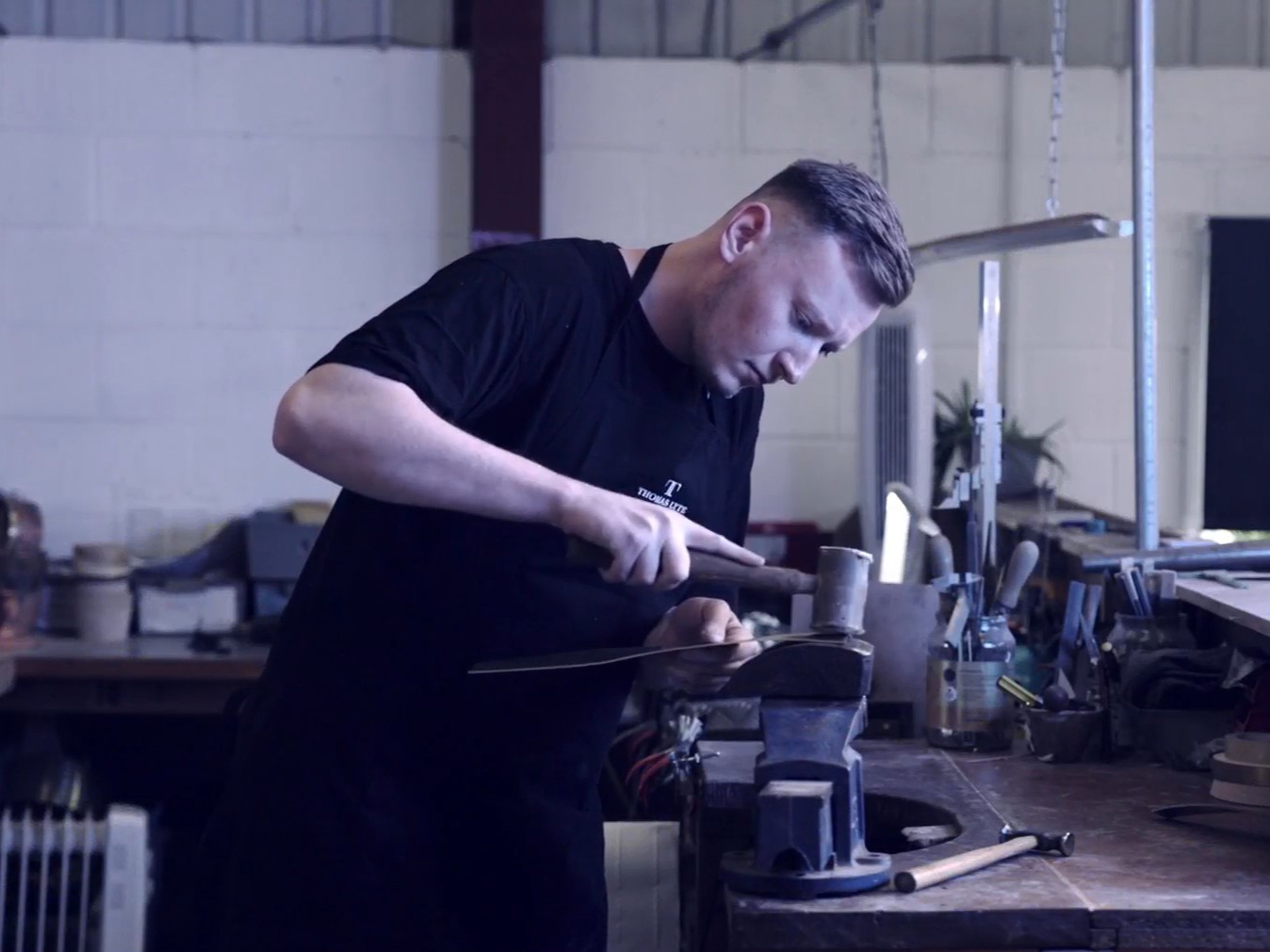
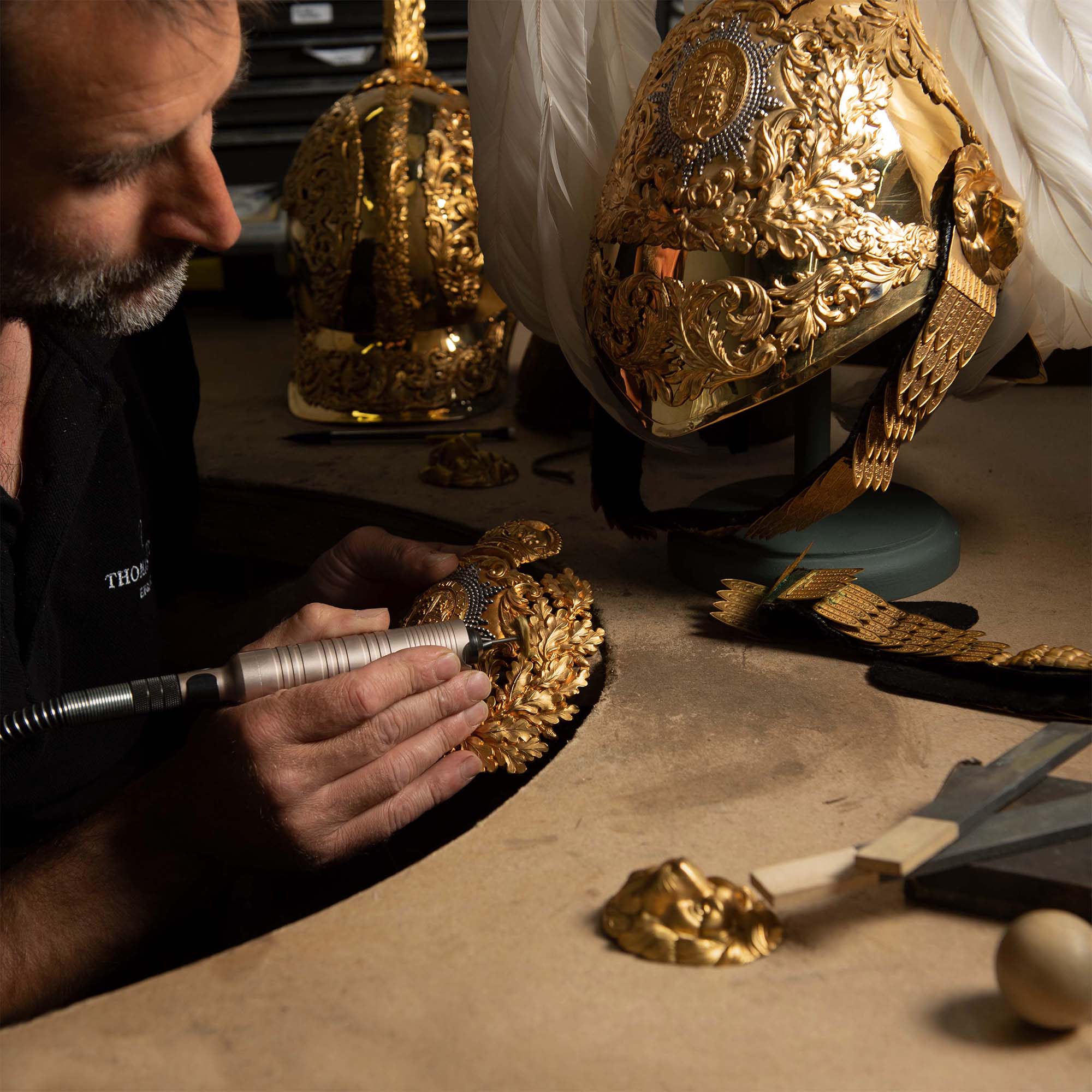
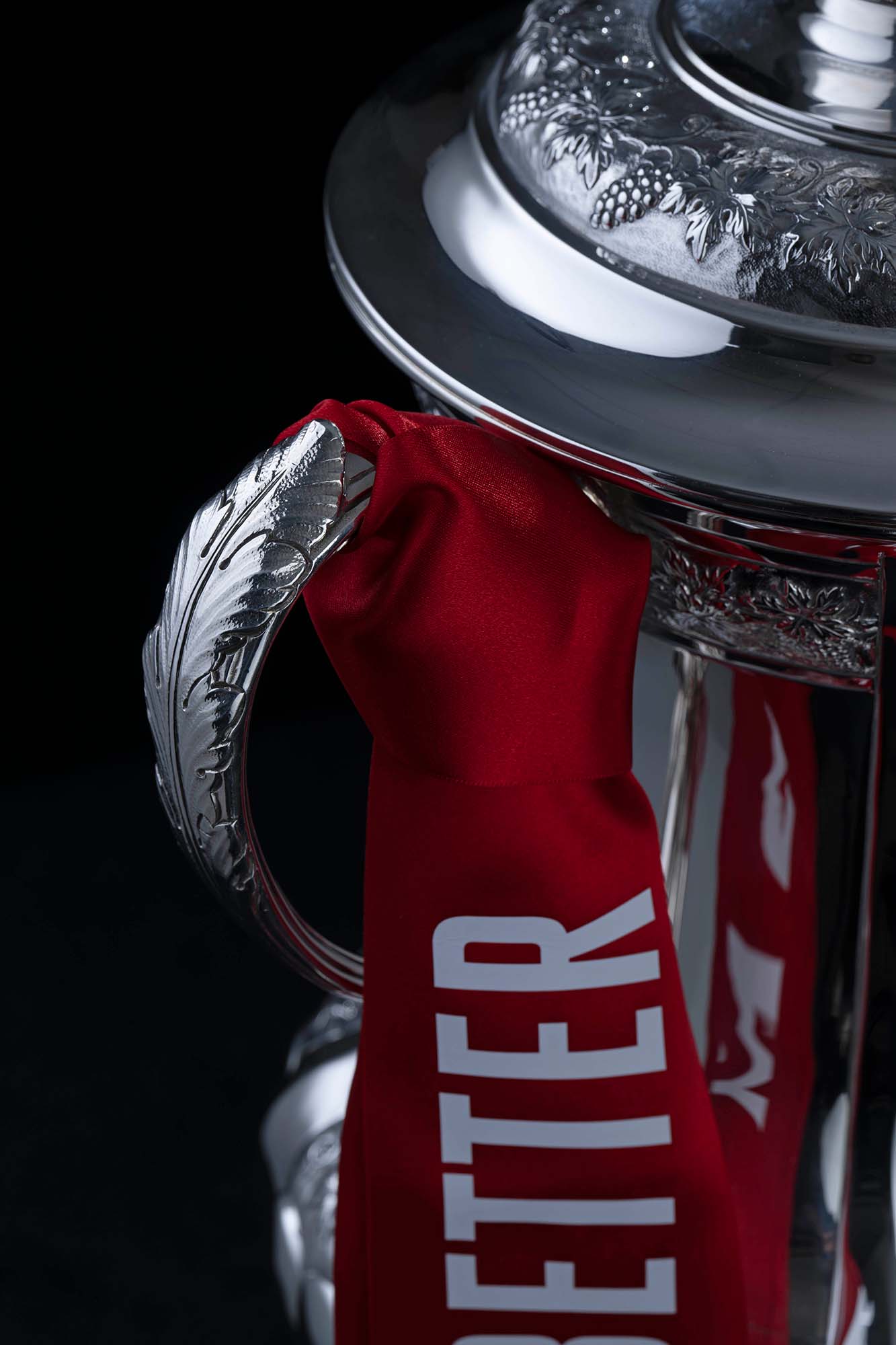
An experienced silversmith can often identify how an object was made simply by reading the surface. Fine uniform lines reveal where a component has been spun on a lathe, while the rich texture of chased decoration tells the story of countless carefully judged hammer blows. These are not imperfections, but evidence of craftsmanship.
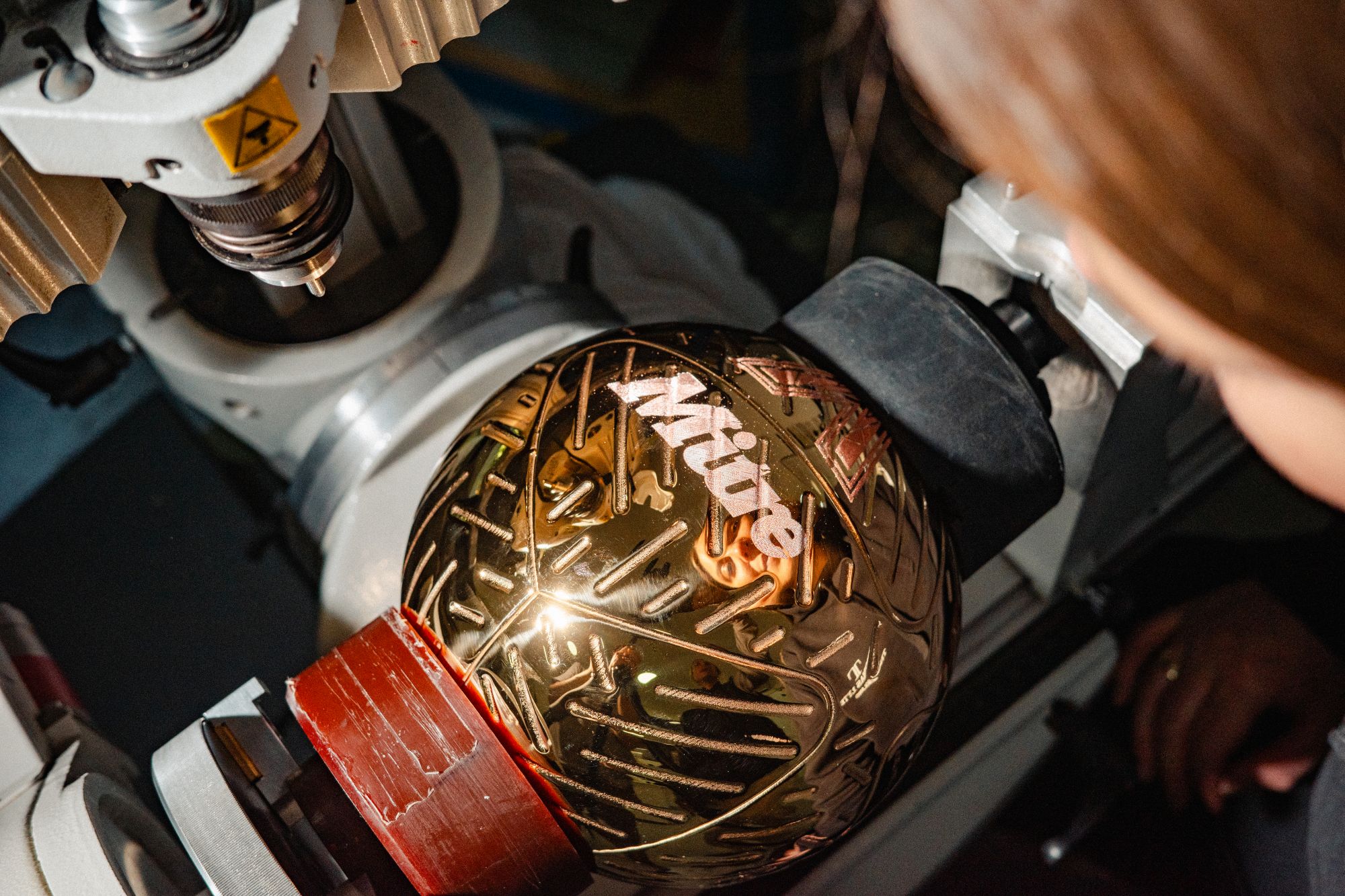
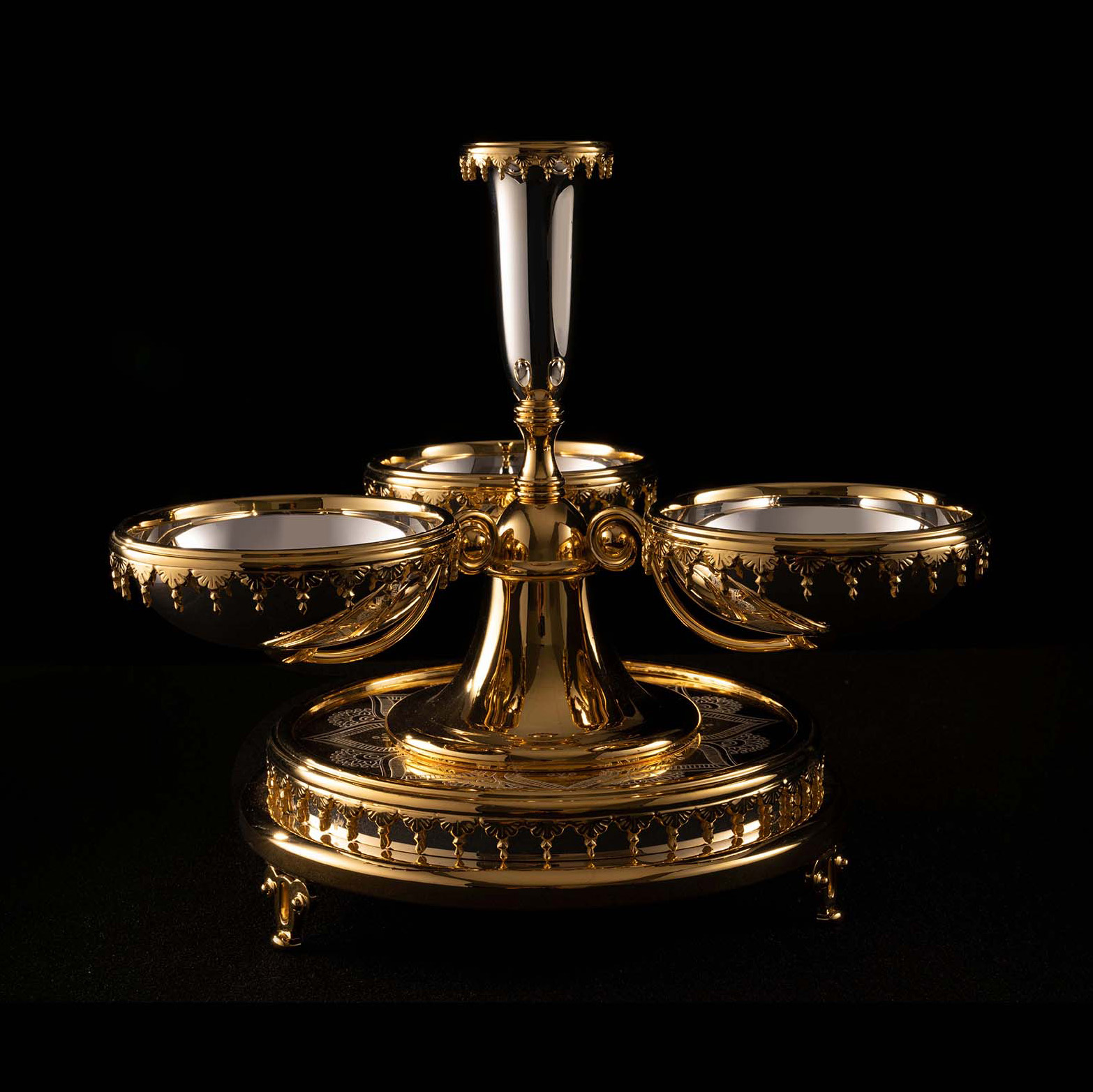
The Palace Épergne is one such example, where intricate hand engraving was combined with a specialist gold-plating process, allowing only the engraved details to be gilded while the surrounding silver retained its polished finish.
Each technique creates a distinct character, and knowing how to combine traditional hand skills with modern precision is part of what makes every Thomas Lyte commission unique.
Perhaps the greatest misconception about silversmithing is how quickly these skills can be learned. In reality, mastery is measured in decades rather than months.
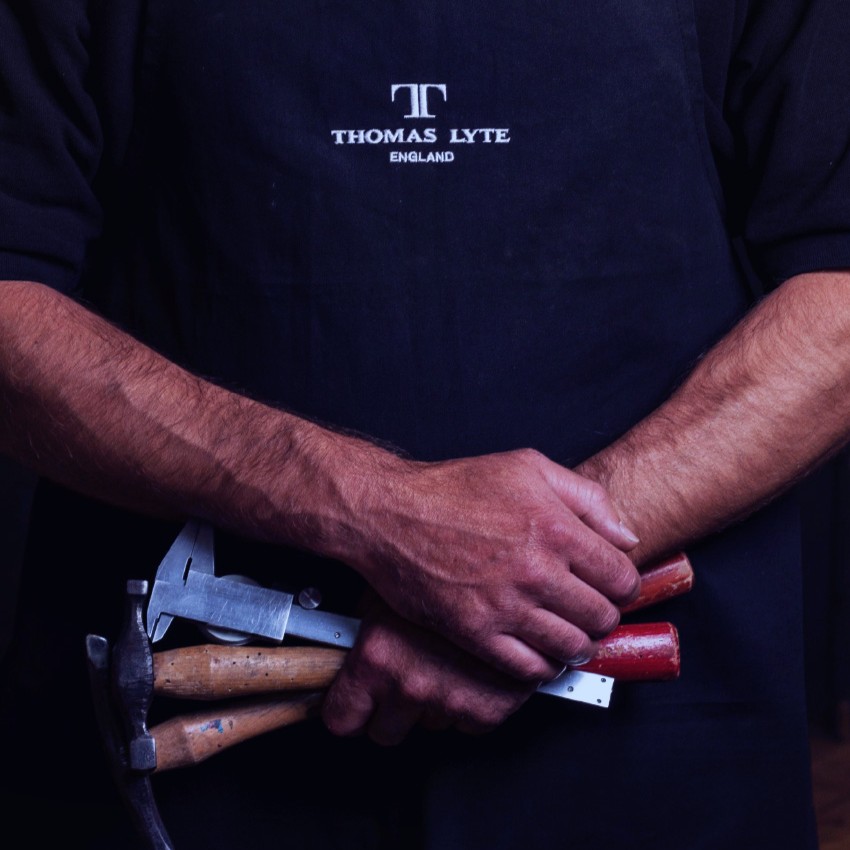
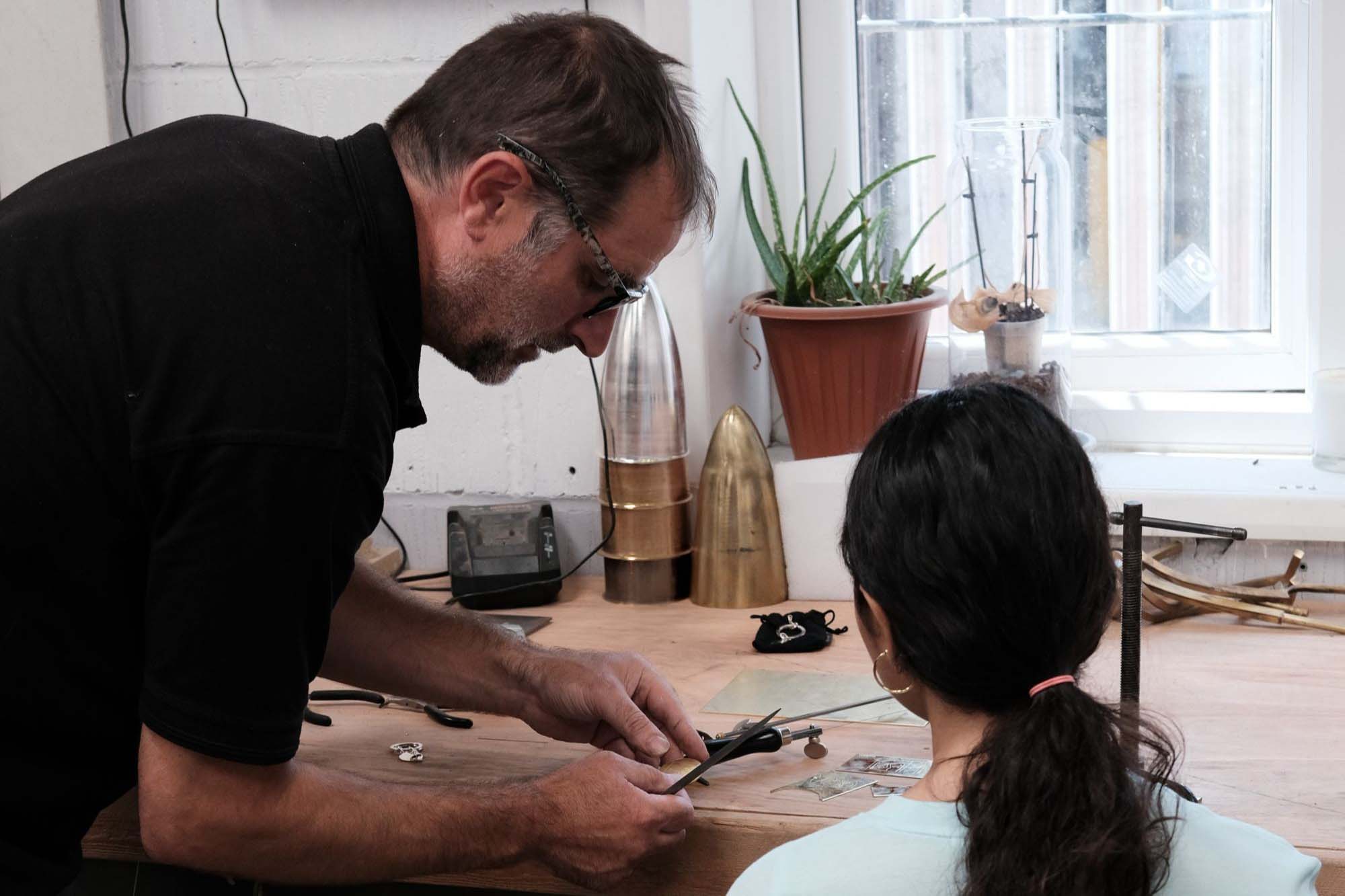
Long before someone earns the title of Master Silversmith, they will have spent thousands of hours developing an understanding of metal, learning how it moves, stretches and responds to every tool and every strike. Many of these techniques have been passed from one generation to the next, preserving knowledge that cannot simply be found in a textbook.
It is this judgment that allows a master goldsmith and silversmith to notice what others cannot. The slightest variation in a surface, the smallest imbalance in a form or the way silver responds beneath a tool are all details unknown to the untrained eye.
The foundations of silversmithing have changed little over centuries. Techniques such as raising, chasing, engraving and hand finishing still rely on the skill, patience and judgment of the craftsman.
Yet craftsmanship is not only about mastering traditional methods. Sometimes, achieving the desired result means creating the right tool first.
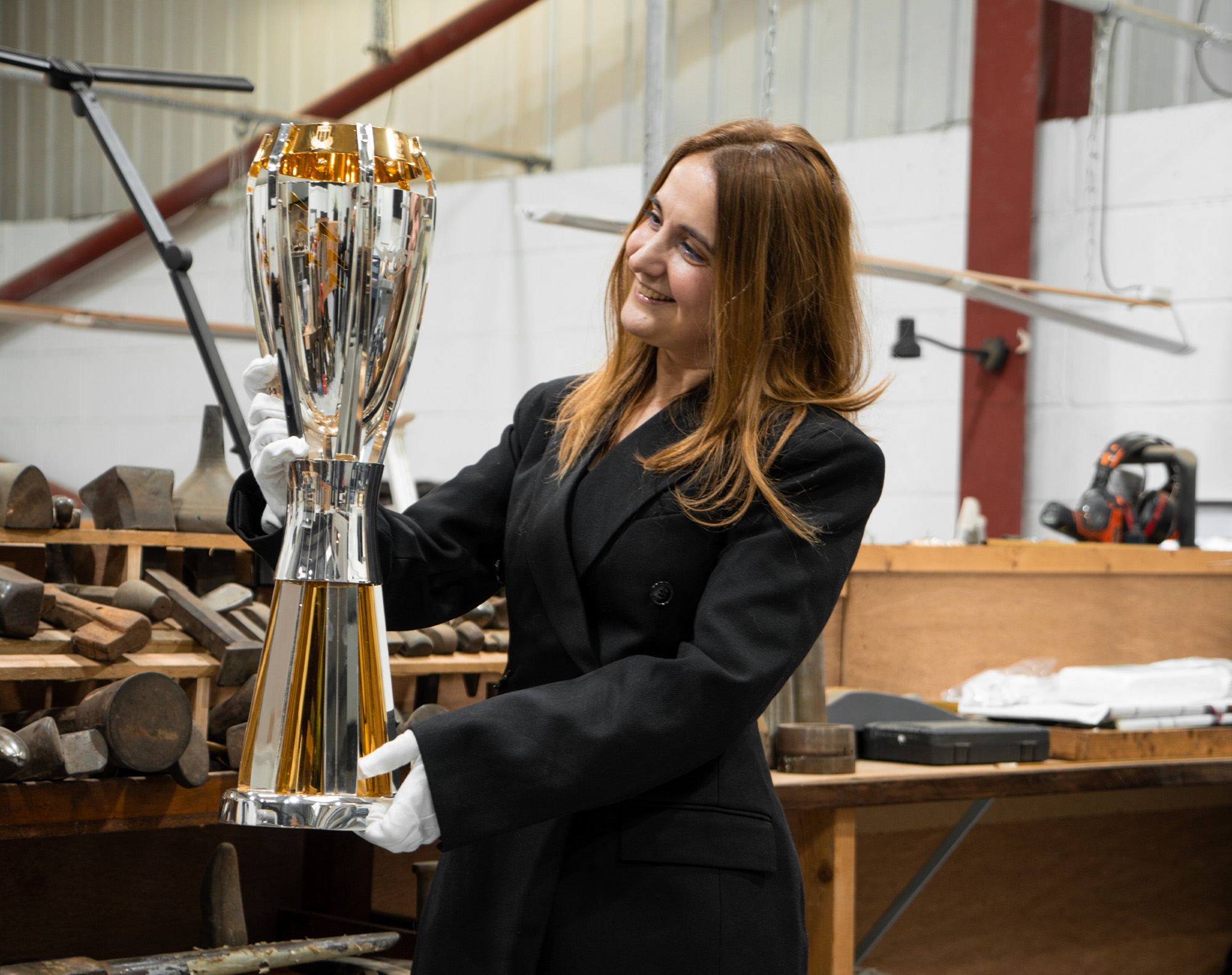
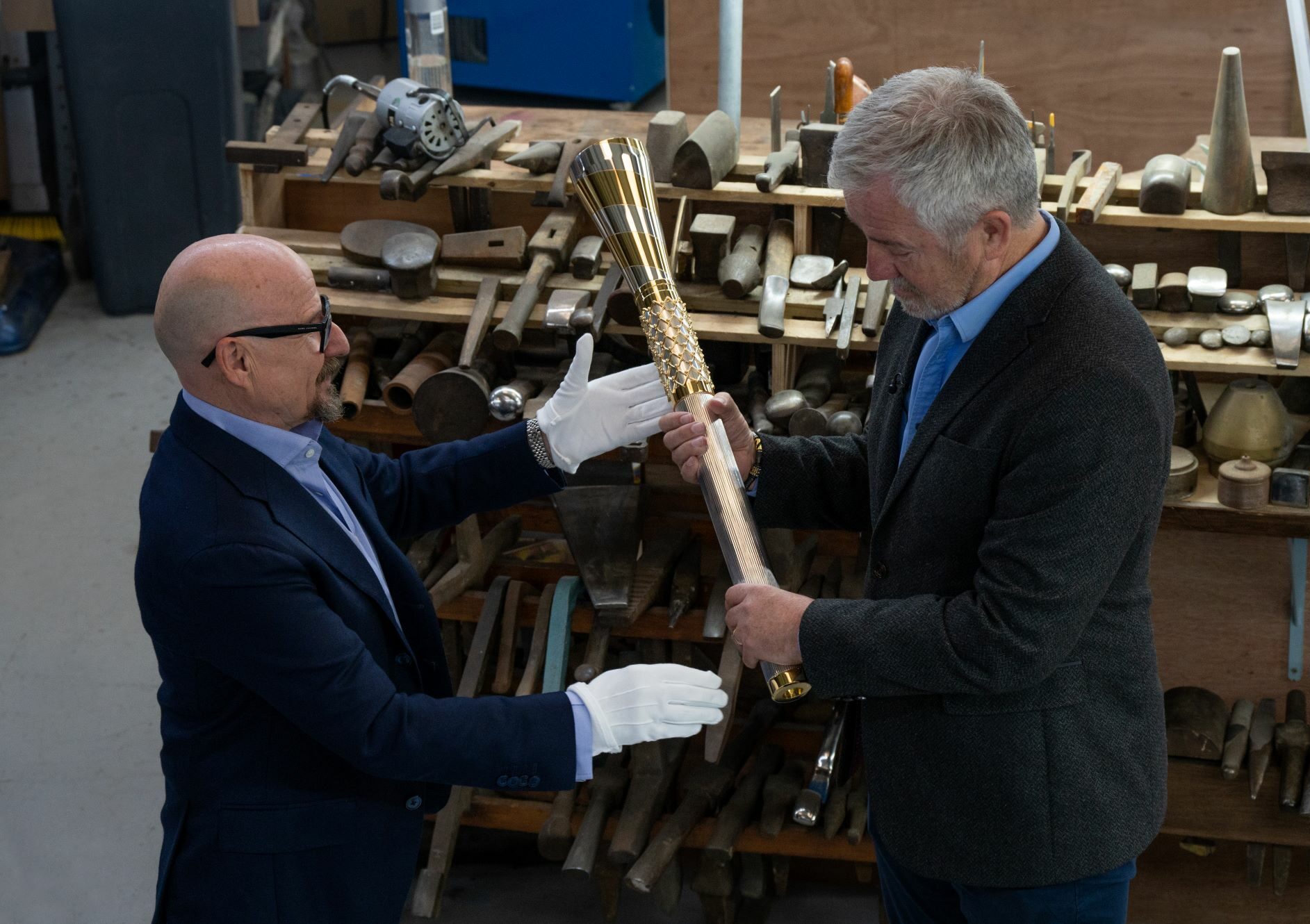
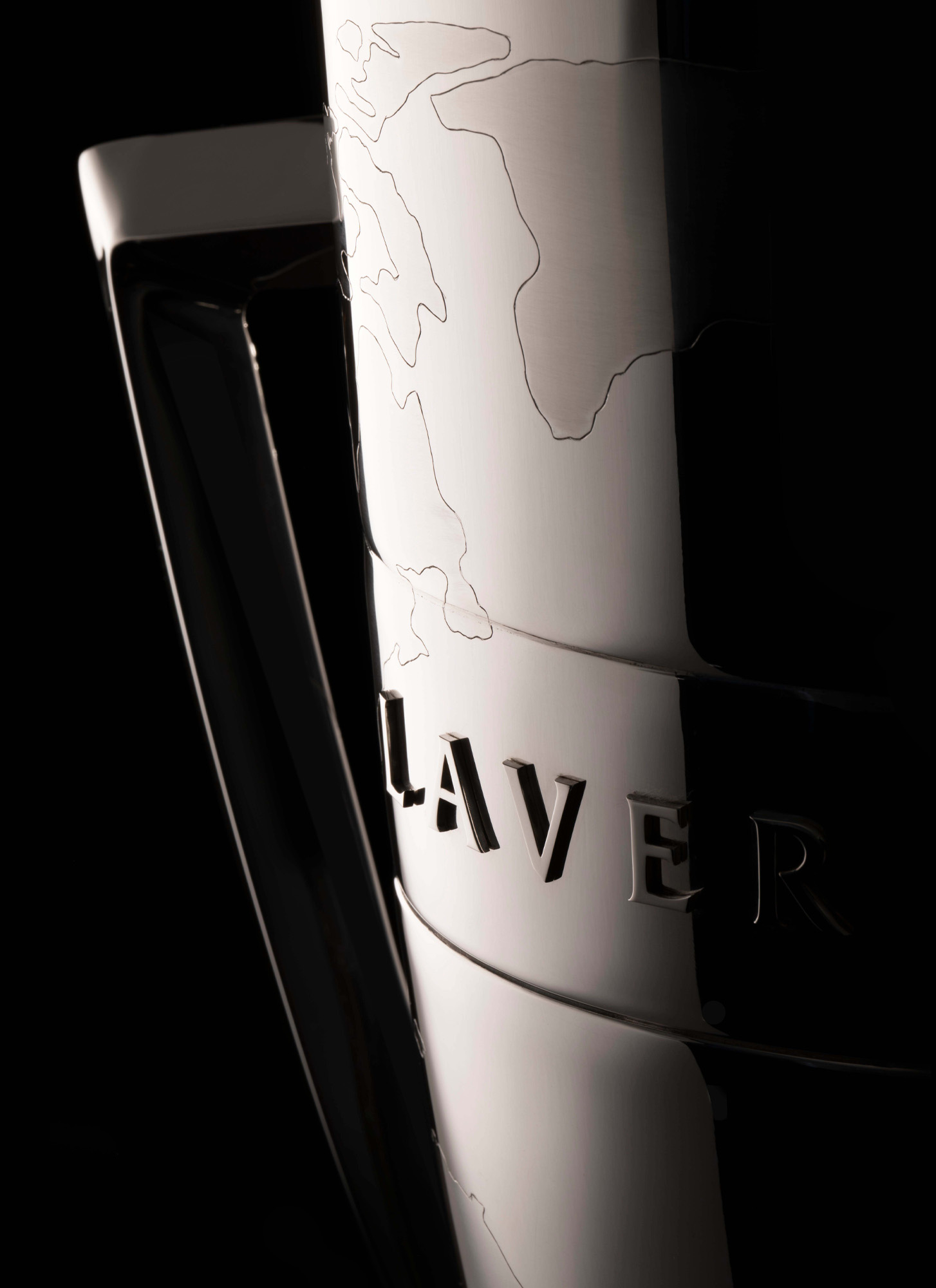
For particularly complex commissions, bespoke tooling may be designed, engineered and made specifically for a single project. For the ICC Men’s T20 World Cup Trophy, bespoke steel tooling was developed using modern 3D technology, allowing traditional silversmithing techniques to achieve the precision demanded by the contemporary design.
It is a reminder that innovation and heritage are not opposites. The finest workshops embrace new technologies not to replace traditional craftsmanship, but to enable it.
The finest details are rarely the most obvious. A perfectly balanced form. The subtle marks left by a master’s hand. A specialist hammer technique refined over decades. A bespoke tool created for a single commission. These are the details that most people never notice. But they are precisely what transform silver into a piece worthy of display, celebration and legacy.
At Thomas Lyte, they are the details that matter most.
Read about our press mentions and awards for the project
We have selected a number of case studies that demonstrate the broad range of our capabilities designing and making in precious metals.